
The Story
Why it exists.
The beginning
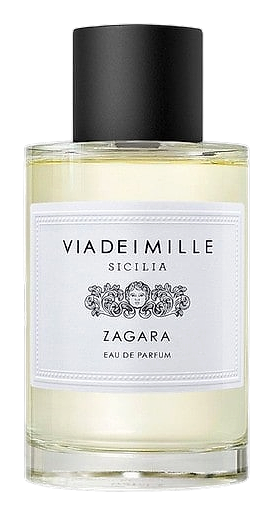
Zagara's name in Sicilian refers to white flowers, jasmine, almond blossom, and neroli, that define the island's botanical character. The word carries meaning beyond simple color; it names a quality of light, of delicate things shaped by Mediterranean sun. The fragrance is a composition built on citrus and petitgrain at the opening, moving through a heart of neroli and orange blossom, settling into a base of patchouli and tonka bean. The interplay between bright citrus and the deeper floral heart creates a fragrance that feels both immediate and lingering, capturing the essence of blossoms at different moments of their bloom.
What makes Zagara interesting is the petitgrain. Petitgrain, a bitter, slightly tarry distillation from orange tree leaves and twigs, stays present throughout the heart phase, threading its green-herbaceous quality between the waxy sweetness of neroli and orange blossom. This green note prevents the florals from becoming purely decorative. It keeps the fragrance grounded in something that reads as natural rather than constructed, botanical rather than confectionery. The bitterness acts as a counterweight, ensuring the florals maintain depth and complexity rather than simply offering sweetness.
The evolution
The opening hits with bergamot and lemon, bright and direct. Within minutes, petitgrain introduces its bitter-green character. The citrus does not disappear; it settles, becomes part of the background, while the petitgrain and neroli begin to dominate. The heart phase features waxy, slightly honeyed orange blossom with the petitgrain still present, its green edge preventing the florals from becoming too soft. This is the phase that earns the modern descriptor. It is clean, it is aromatic, it is distinct from conventional orange blossom compositions. The drydown arrives gradually. Patchouli and tonka bean emerge together, the patchouli soft and rounded rather than earthy or aggressive, the tonka bean adding its characteristic powdery sweetness. Sillage drops to intimate. The fragrance becomes something you smell only when you are close, on your wrist, your collar, your skin.
Cultural impact
Zagara occupies a distinctive position among contemporary fragrances through its persistent bitter-green petitgrain quality. The fragrance performs well in warm weather contexts, suited for daytime wear without projection that demands attention from an entire room. Its moderate sillage makes it appropriate for situations where a subtler presence is preferred, while the composition itself offers a modern take on Mediterranean botanical themes.