The Story
Why it exists.
The beginning
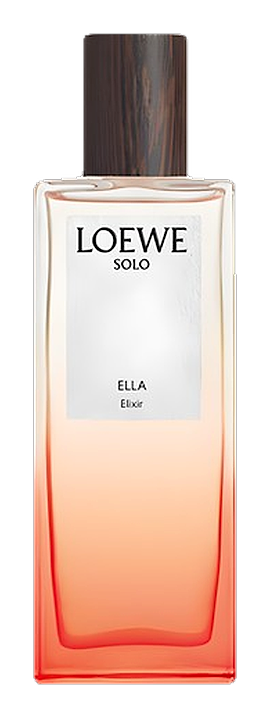
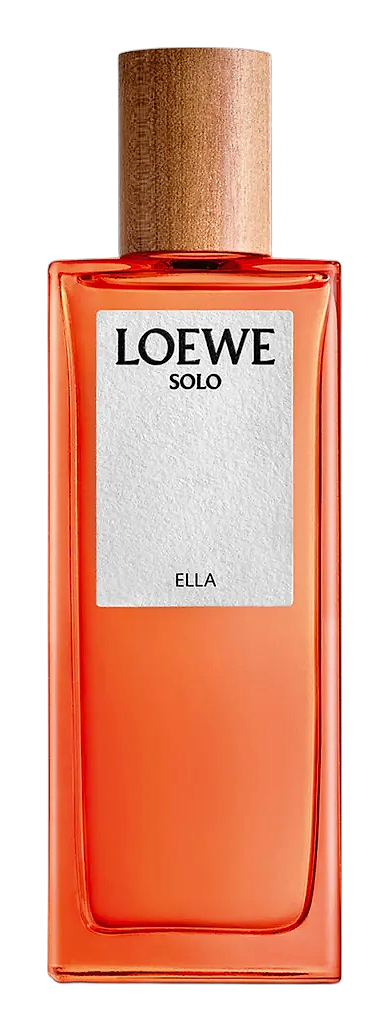
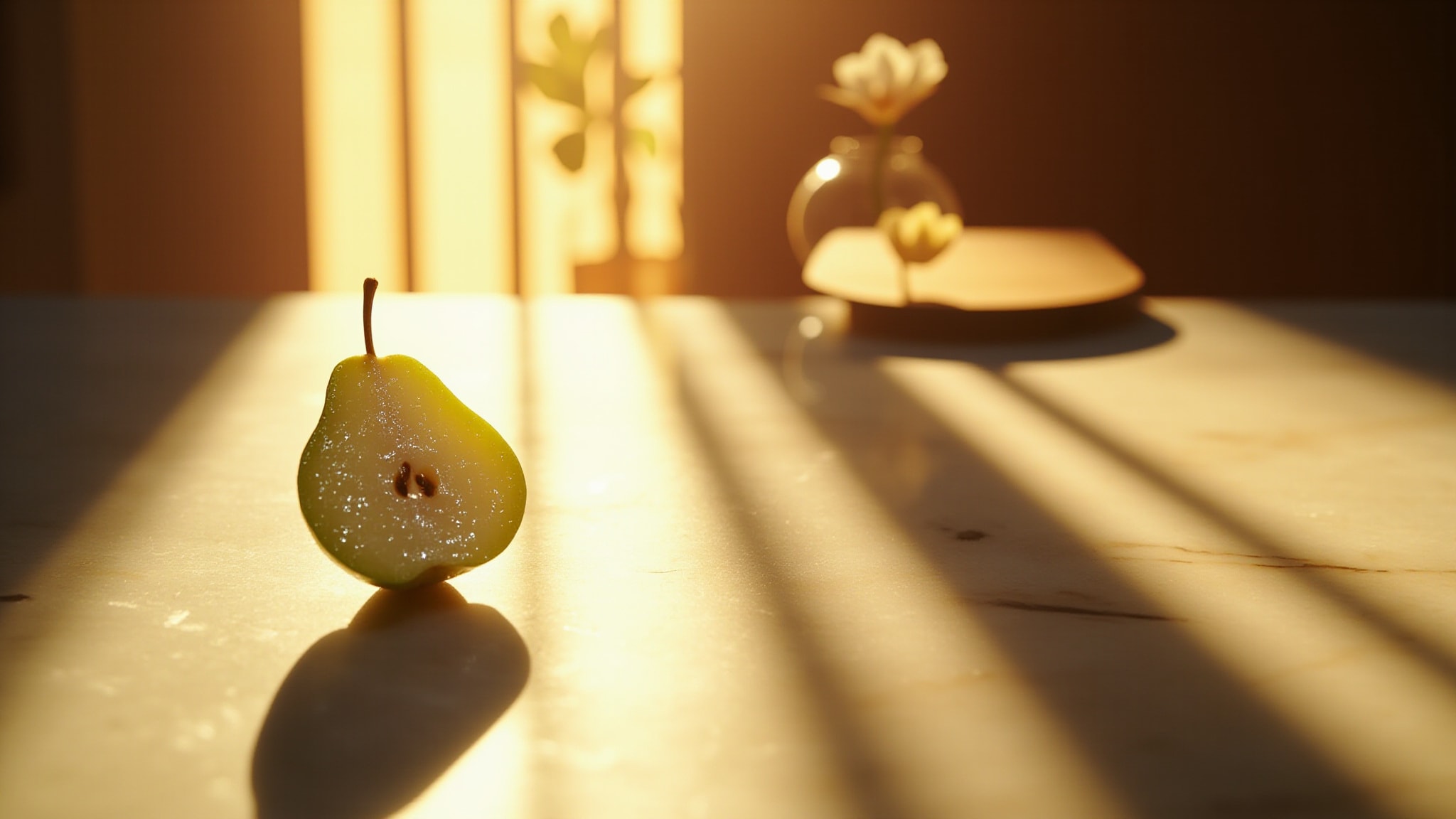
Solo Ella arrived in 2018 as the feminine counterpart to Loewe's 2004 Solo fragrance, the house's attempt to translate a specific moment into scent. Emilio Valeros built this around sunset, that hour when light turns amber and the world softens. The brief wasn't complicated: translate warmth, translate florals, translate the particular quality of late afternoon. What emerged is something that wears like a memory of summer rather than summer itself.
The structure here is deceptively simple. Stone fruit, peach, pear, apple, opens with the juiciness of fruit at its peak, not underripe, not over. Bitter orange keeps it from cloying. Then the florals arrive: jasmine sambac, orange blossom, Damask rose. The combination is sunny without tipping into synthetic. Green tea runs underneath throughout, a quiet green thread that keeps the sweetness honest. It's the heliotrope that gives it that powdery softness in the heart, barely there, but it changes everything.
The evolution
It opens bright. Apple and peach hit first, the pear rounding out the edges. Ten minutes in, the jasmine sambac begins to assert itself, not aggressive, but present. Orange blossom joins. The green tea is subtle, more texture than note, keeping the florals from becoming heady. By the 30-minute mark, the drydown is underway: cedar emerging from below, amber warming everything up. White woods. Blond woods. The kind of clean, warm base that makes skin smell like skin, but better. Six to eight hours on most skin types. Moderate sillage, it announces itself to those close by, never the whole room.
Cultural impact
Solo Ella sits comfortably within Loewe's broader strategy under Jonathan Anderson: Spanish vitality, artisanal rigor, and an emphasis on nature as raw material. The Solo line, which began in 2004, was one of the house's earliest attempts at a modern fragrance identity. Ella brought femininity into that conversation without diluting it.