Pear juice
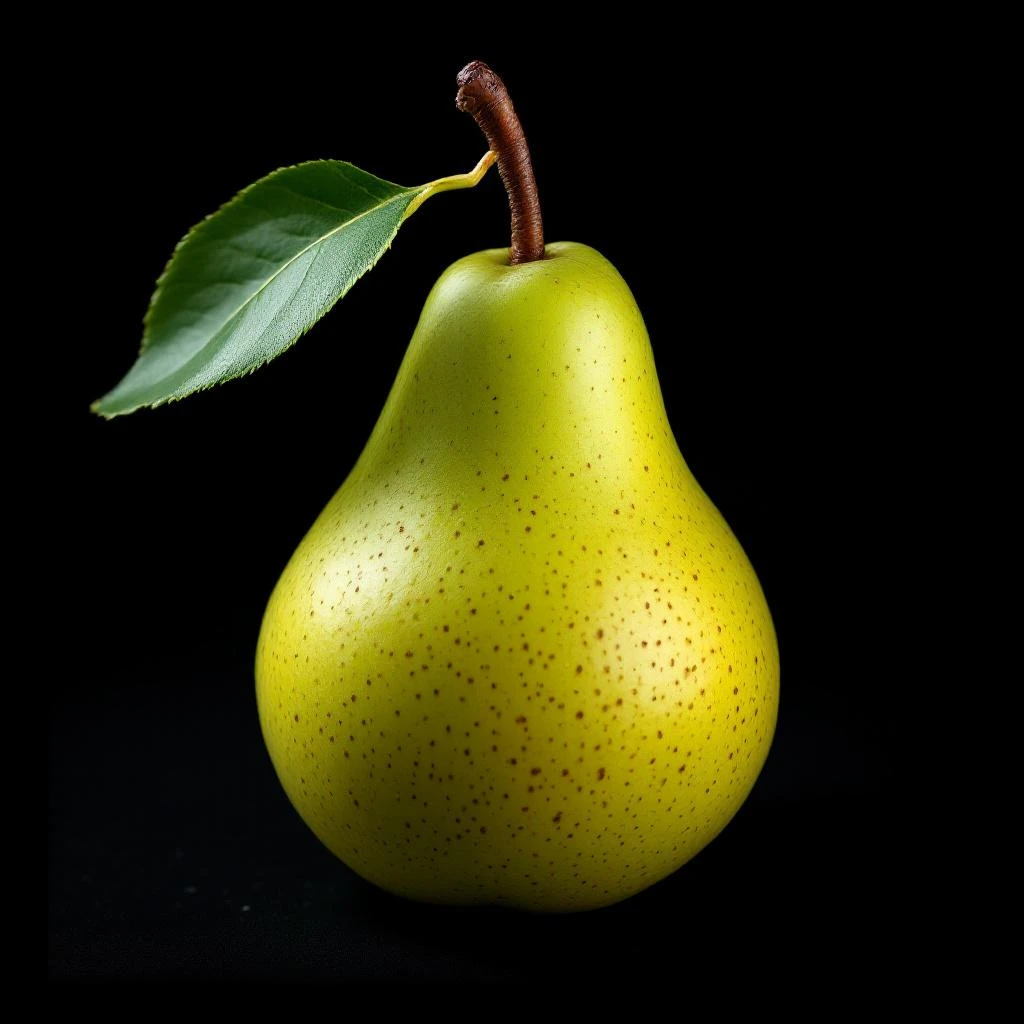
Pear juice conjures ripe orchard sweetness, but no perfumer harvests it naturally. The fruit is too watery and its aromatic compounds too dilute for extraction. That crisp, sweet-floral scent in your fragrance? Created entirely through synthesized aroma chemicals.
Character
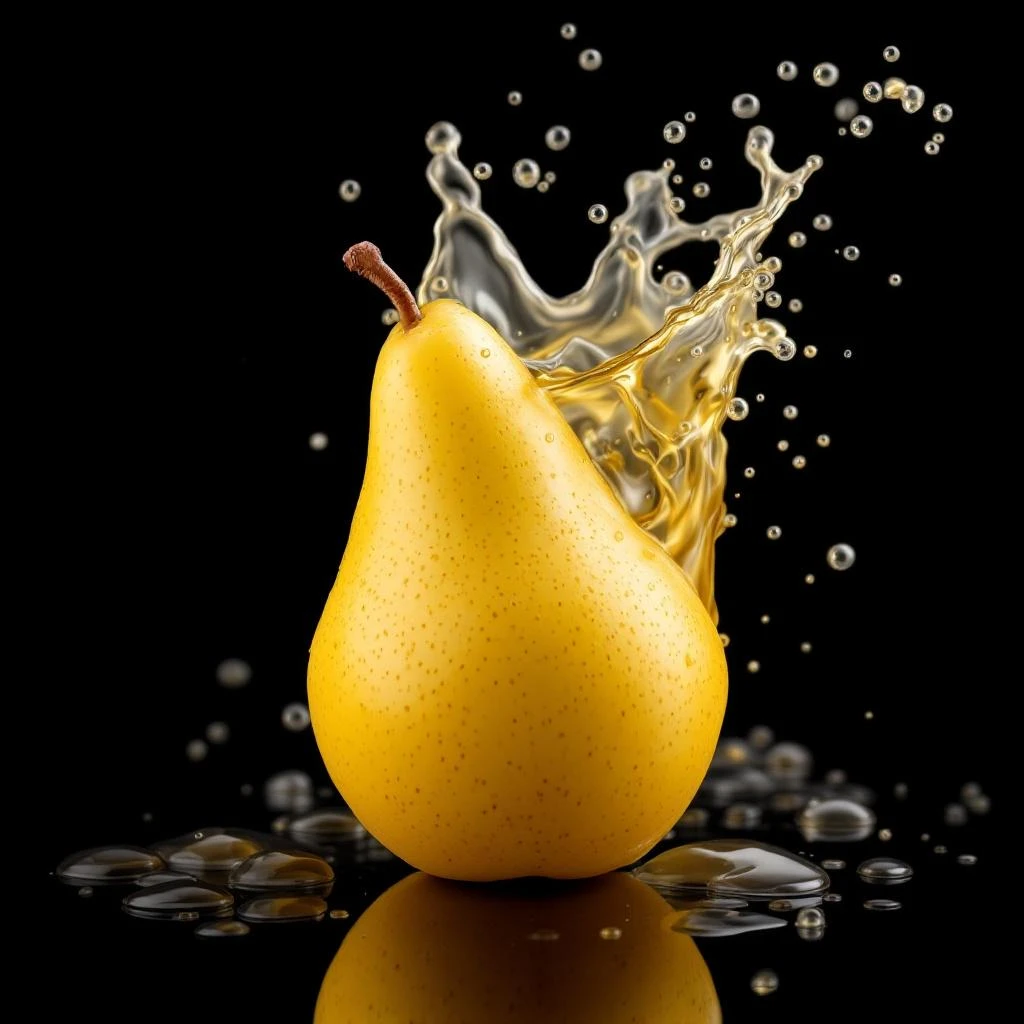
How it smells
Fresh orchard sweetness no perfumer can harvest naturally.
Pears are among humanity's oldest cultivated fruits, first domesticated in the foothills of Western China nearly 3,000 years before the ancient Romans prized them.




Origin
China
Pears rank among humanity's oldest cultivated fruits, first domesticated in the foothills of Western China before spreading westward through ancient trade routes. The ancient Romans and Greeks embraced the fruit beyond the kitchen, incorporating pear into cosmetic preparations, ceremonial offerings, and early perfumery.
Roman texts document dozens of cultivated pear varieties prized for both eating and scenting. This ancient appreciation laid groundwork for the pear note's enduring presence in modern fragrance, where it now represents a delicate, universally beloved facet of fruity perfumery.
Wears it best
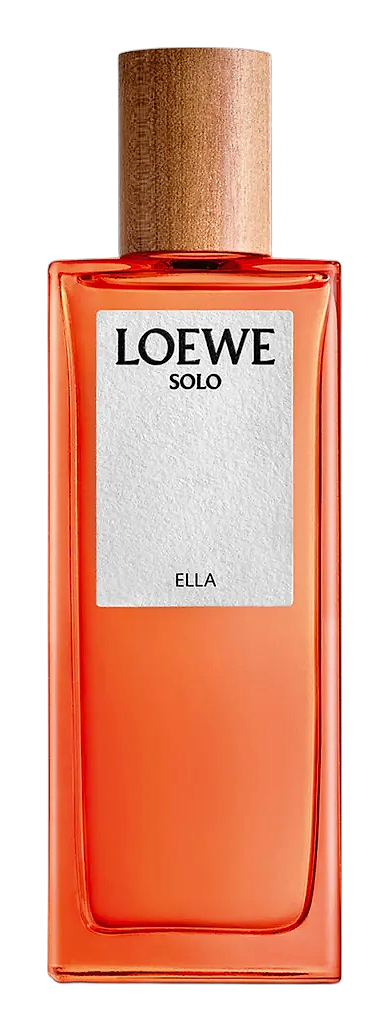
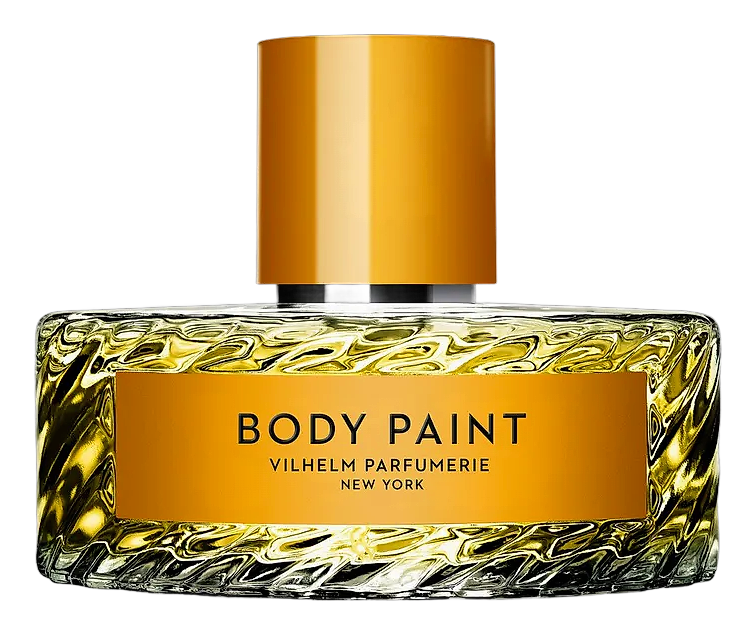
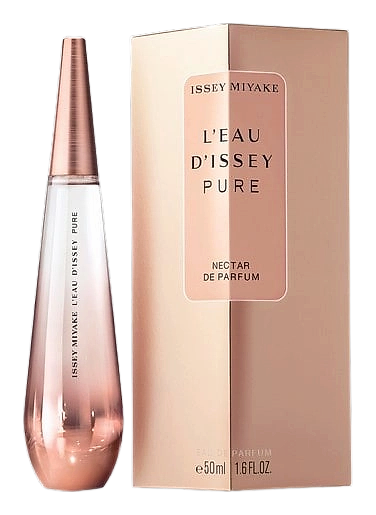
Fragrances featuring Pear juice
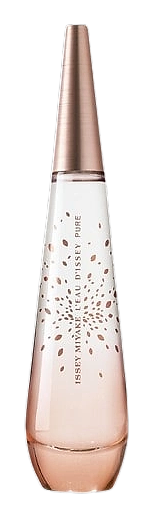
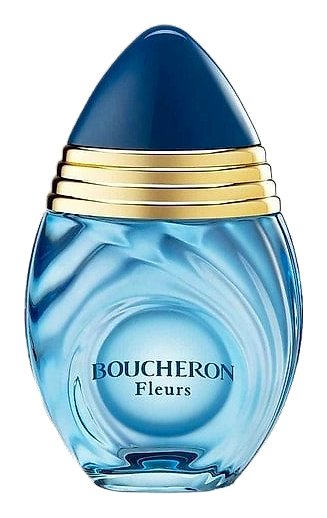
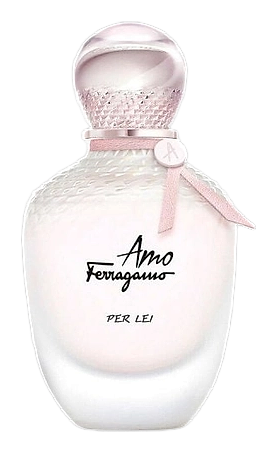
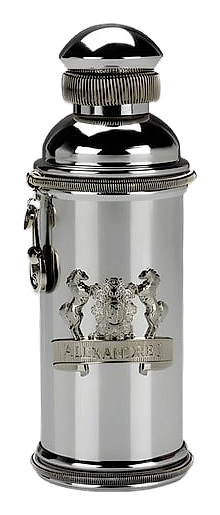
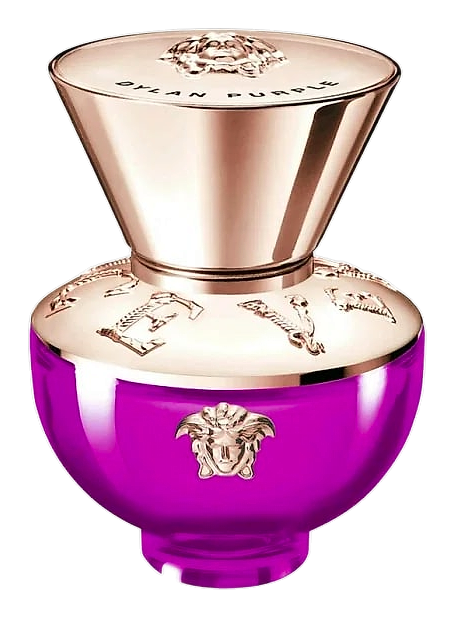
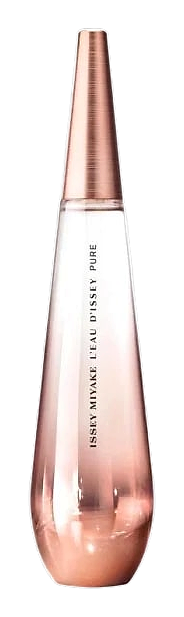
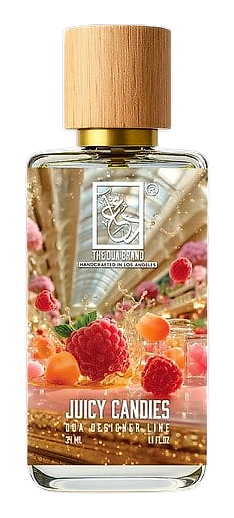


Brands
Brands known for Pear juice
Good to know
Questions, answered
The essentials on Pear juice in perfumery: how it smells, where it comes from, and how it behaves on skin.
Why can't pear be extracted naturally for perfumery?
Natural extraction of pear is impossible. The fruit is roughly 84% water, and its aromatic compounds exist at only parts-per-million concentrations, too dilute for standard extraction methods. Perfumers instead use synthesized aroma chemicals to recreate the distinctive sweet-fruity ester character of ripe pear.
Where does pear originate from?
Pear (Pyrus communis) originated in the foothills of Western China, where wild ancestors were first domesticated thousands of years ago. Trade routes carried the fruit westward, reaching ancient Europe by Roman times.
What fragrances pair well with pear?
Pear pairs naturally with light florals like jasmine and rose, bright citruses, and green notes. It also complements aquatic and ozonic accords. When combined with white musks or woods, pear bridges top and heart notes beautifully.
Is pear a modern or historical perfumery ingredient?
Pear has roots in ancient perfumery. The ancient Greeks and Romans used pear preparations and pomace in early cosmetic formulas. The fruit's legacy spans millennia from ancient Rome to contemporary fragrance houses.
How long does the pear note last in a fragrance?
Pear functions naturally as a top note due to its volatility. On its own, it may last 15 to 30 minutes on skin. Modern fragrance construction using synthetic fixatives extends the pear character's presence throughout the wear.
Where is the raw material sourced?
Pears are grown worldwide on a commercial scale, with China as the leading producer. However, the fragrance ingredient itself is synthesized from aroma compounds developed in laboratories, creating a global supply chain independent of agricultural harvest.
What compounds give pear its characteristic scent?
Key volatile esters define the pear effect, including hexyl acetate and (E)-2-hexenyl acetate. Minor contributors include ethyl acetate, (E)-2-hexenal, and the notable compound (E)-beta-damascenone, detectable at extremely low concentrations yet critical to pear's aroma.
What is the botanical origin of pear?
Pear belongs to the Rosaceae family, classified as Pyrus communis. Its origins trace to the foothills of Western China, with the fruit spreading westward through ancient trade routes into Europe and the Mediterranean region.