The Story
Why it exists.
The beginning
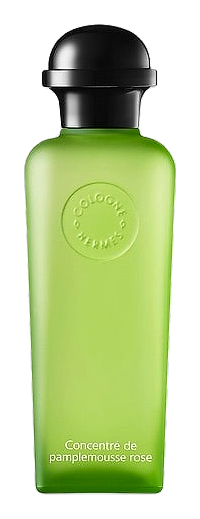
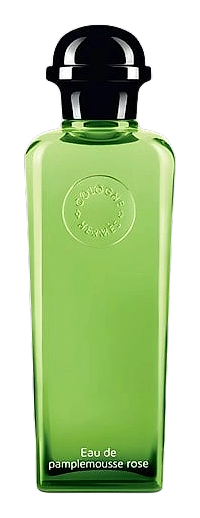
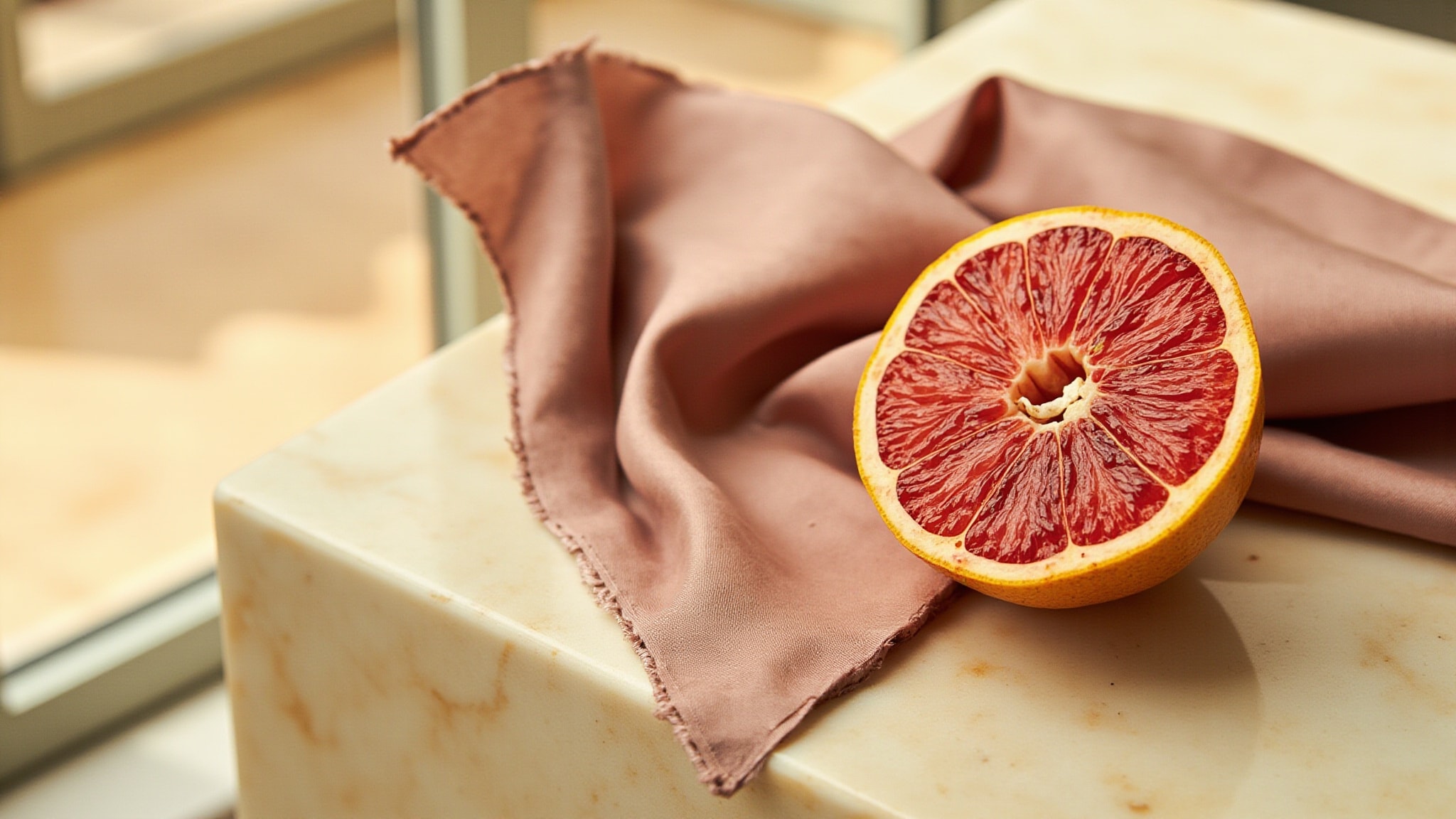
The Cologne concept at Hermès stretches back to 1979, when the house first entered territory it would return to again and again: lightness as luxury. Eau d'orange verte established the template, transparent, precise, never trying too hard. When Jean-Claude Ellena composed Eau de Pamplemousse Rose in 2009, he had nearly three decades of this philosophy behind him. The name says everything. Pamplemousse, grapefruit, and rose. Two materials that shouldn't work together. Grapefruit is sharp, almost medicinal. Rose is soft, intimate. The opening is a bright, clean burst of citrus that feels like morning light through a window. It's refreshing without being aggressive, a quality that makes the scent immediately inviting.
What makes this composition interesting isn't the materials themselves, grapefruit and rose have appeared in countless fragrances, but how Ellena handles their relationship. The rose doesn't bloom. It hovers. A gossamer quality that catches light rather than projecting. The grapefruit doesn't dominate the drydown; it fades, leaving the rose to finish alone. This is a fragrance about restraint, about what you don't say. The overall effect is one of airiness, a scent that feels weightless on the skin.
The evolution
The opening hits clean. Grapefruit, bright and tart, with the faintest bitterness at the edges, not unpleasant, just honest. Within minutes, the rose arrives. Not a splash of petals, not a boudoir statement. A whisper. Something translucent. The orange note in the heart adds a soft warmth that prevents the whole thing from reading as clinical. By the mid-drydown, the citrus has retreated and the rose is left alone, floating just above the skin. It doesn't project. It stays close, intimate, even. After four hours, there's a ghost of something on fabric. Not the grapefruit anymore. Just the memory of it, softened by rose.
Cultural impact
Eau de Pamplemousse Rose fits into a lineage, Terre d'Hermès, Eau d'orange verte, but it's also its own thing. The grapefruit-rose pairing was a choice that set this fragrance apart, creating something that feels both familiar and unexpected. It's the kind of combination that invites conversation, a starting point for thinking about what fragrance can be. The scent itself has a quality of quiet self-assurance, the kind that doesn't need to announce itself to be noticed. It lingers without demanding attention, present without being intrusive.