The Story
Why it exists.
The beginning
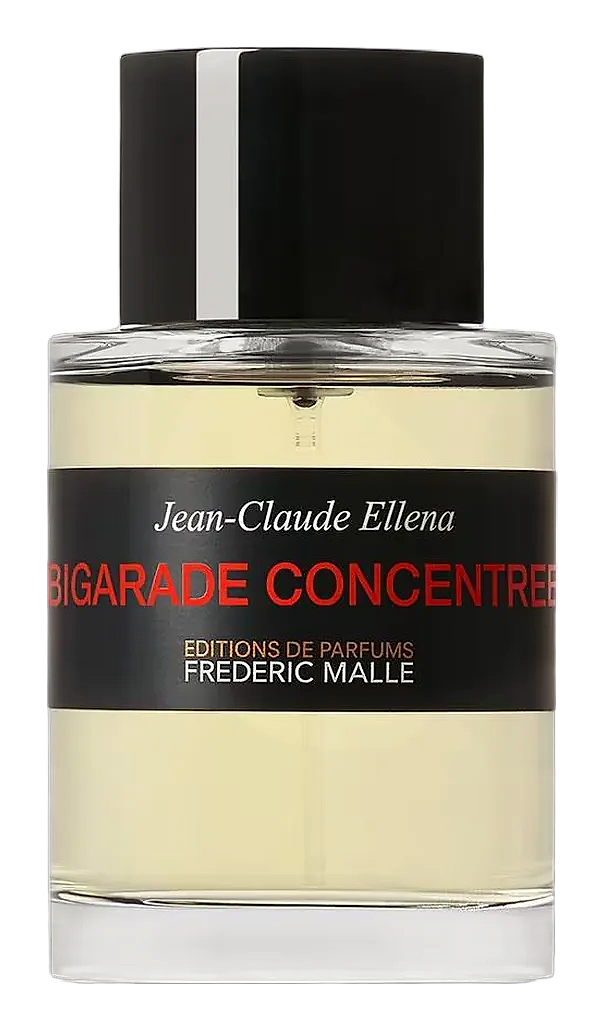
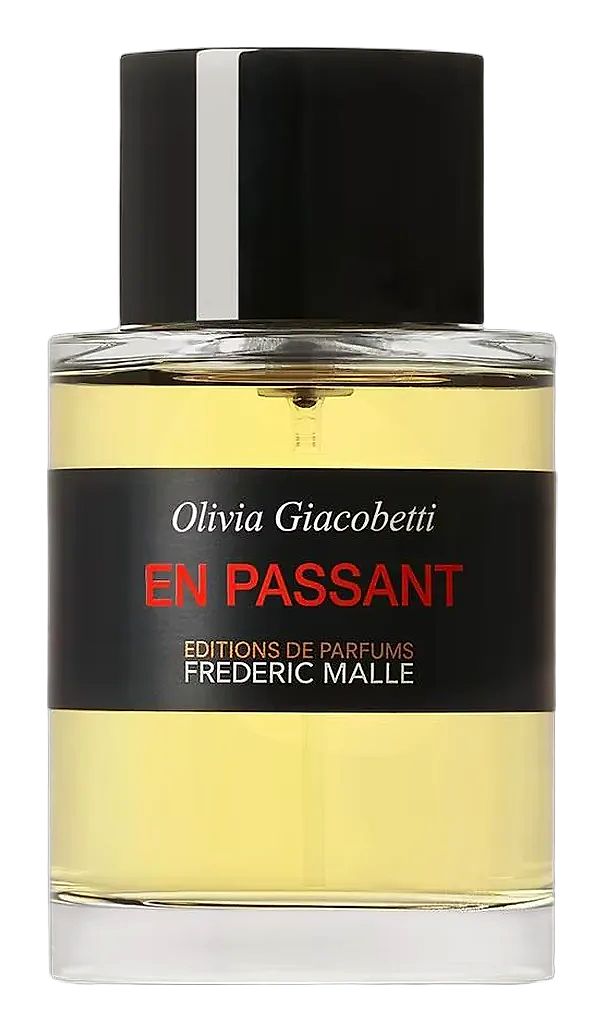
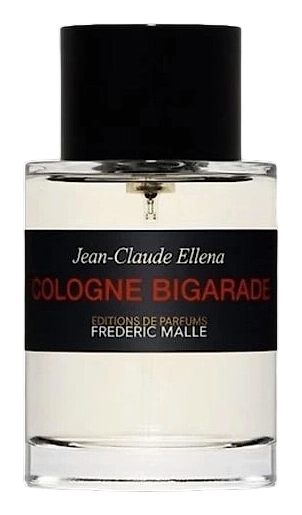
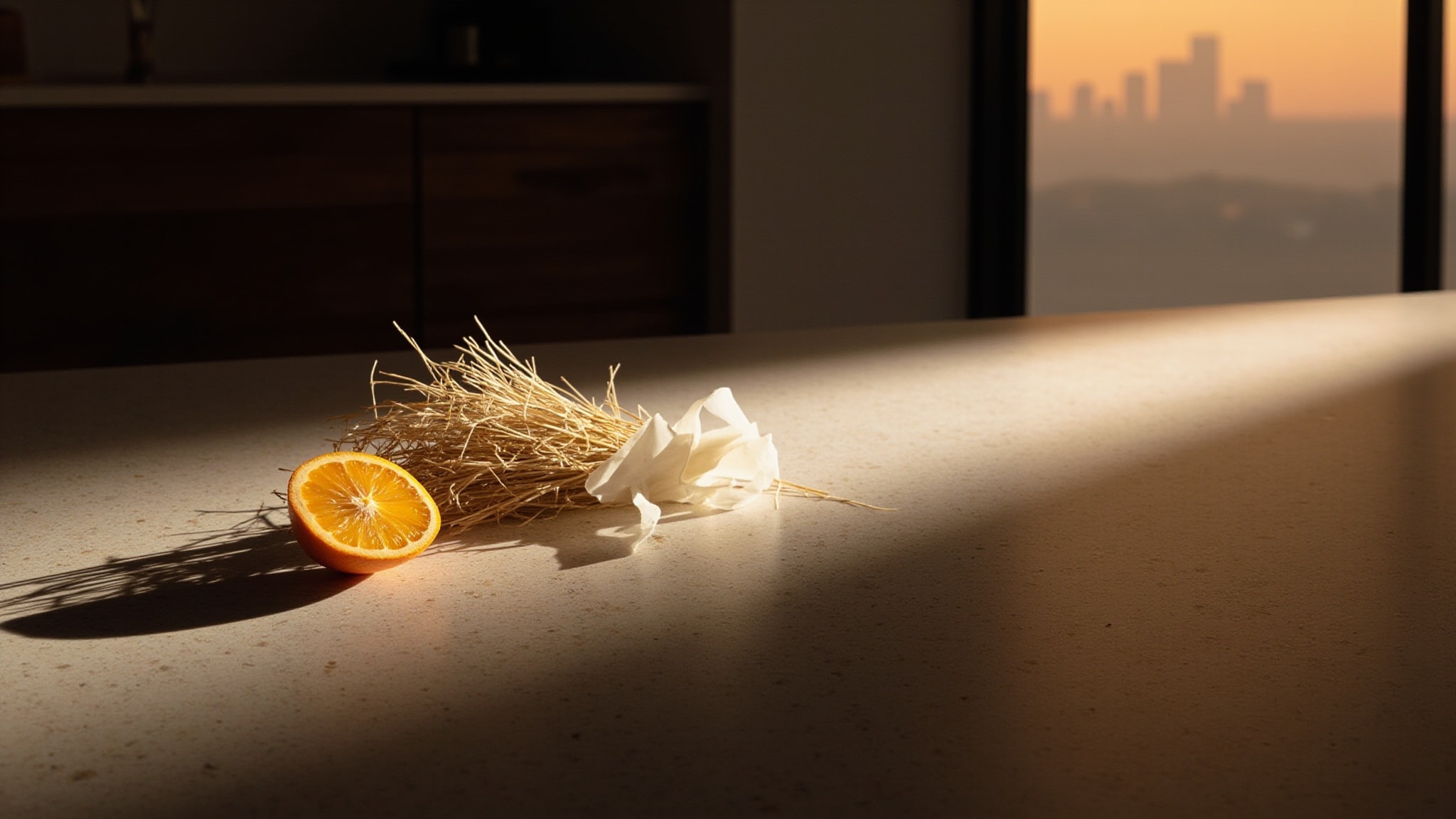
In 2001, Jean-Claude Ellena and Frédéric Malle made something unusual: a cologne with something to say. The name comes from bigarade, the bitter orange of Provence, and the fragrance is exactly what it promises: the fruit, the hay that frames it, and nothing unnecessary added. The bitter orange opens with a sharp, clean brightness that feels immediate and alive. There's a green, slightly bitter quality that recalls the pith and zest rather than just the juice. As the top notes settle, the hay emerges as a structural element that grounds the citrus and prevents it from becoming too fleeting.
The paradox at the center of this fragrance is what makes it work. Not by adding volume, but by removing everything that didn't matter. The structure is deliberately minimal: one citrus note, one floral note, three base materials. That's the entire pyramid. The hay in the base is the tell. It's not the clean musk of a typical cologne. It's dry, herbal, slightly warm, the smell of something stored rather than something applied. The citrus note provides the initial brightness, but it's not the synthetic, cleaning-product brightness of many colognes.
The evolution
The opening hits sharp. Not just bright, sharp. Within minutes, the citrus opens and the composition breathes. The rose arrives not sweet, not soft, but dry and structural, the skeleton of the flower rather than the petals. As the heart develops, the hay appears, along with grass and cedar. The whole thing shifts from citrus to something warmer, herbal, and close to the skin. By hour two, the citrus is gone but the hay and cedar remain, an intimate, close-wearing base that stays within arm's length. On fabric, it lasts longer. On skin, it fades gracefully. A memory of the afternoon, not the afternoon itself. The bitter orange note opens with a sharp, clean brightness that feels immediate and alive. There's a green, slightly bitter quality that recalls the pith and zest rather than just the juice.
Cultural impact
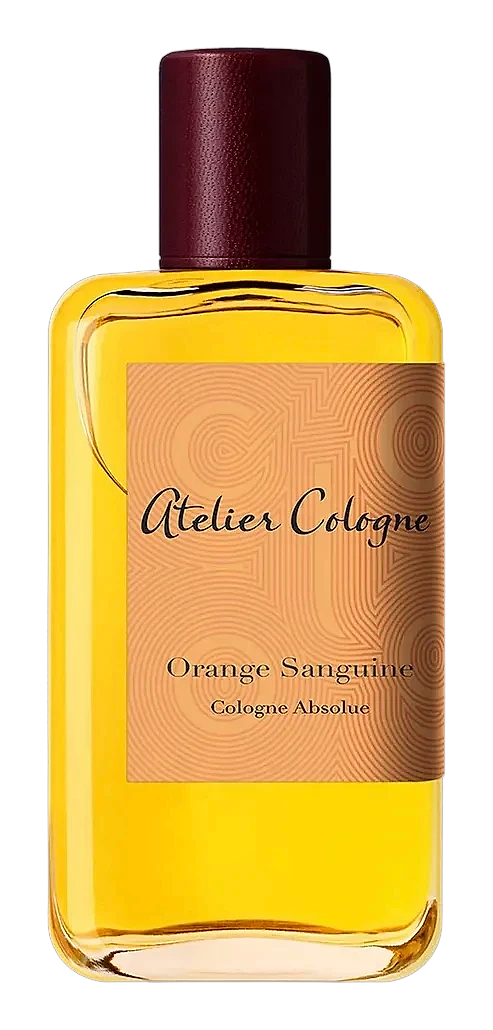
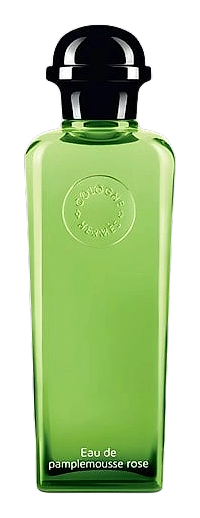
It is frequently mentioned alongside Bigarade Concentrée, Atelier Cologne's orange fragrances, and Hermès' citrus-rose work as a point of comparison, not because it resembles them. The fragrance has become a reference point for those exploring the minimalist cologne category. Its combination of bitter orange, rose, and hay creates a scent that feels both natural and intentional, like walking through a Provençal orchard in late summer where the fruit is ripe and the grass has been cut and dried in the fields.