The Story
Why it exists.
The beginning
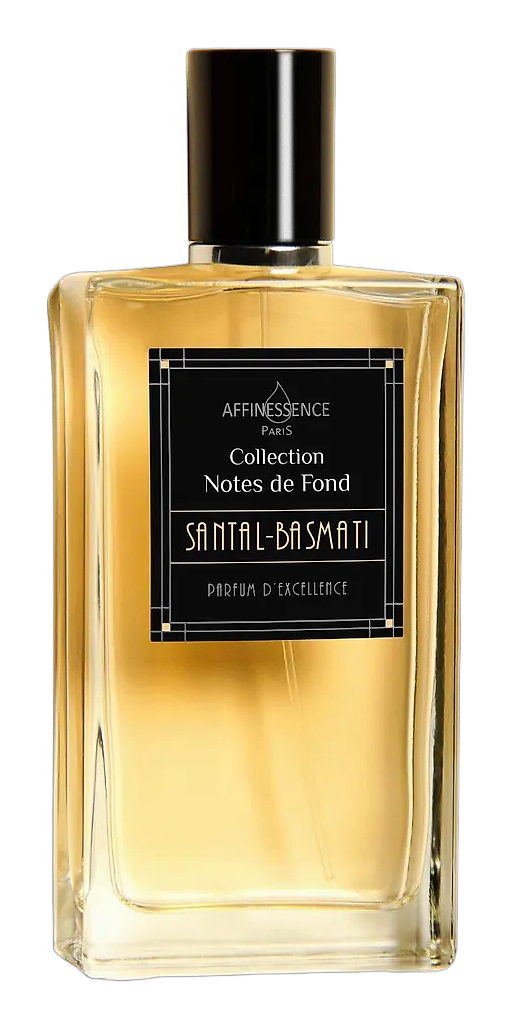
Alexandra Carlin built Santal Basmati around Mysore sandalwood and basmati rice. One is a perfumery staple, beloved and familiar. The other is a grain, not a note, not an accord. Just rice. When cooked, basmati carries a faintly floral, almost nutty fragrance all its own. The pairing creates something unexpected. Sandalwood adds creamy depth while the rice brings its warm, starchy character to the composition, allowing the grain to become more pronounced and present than it might be in everyday experience. Carlin worked with these qualities rather than against them, letting each element find its place in the final result.
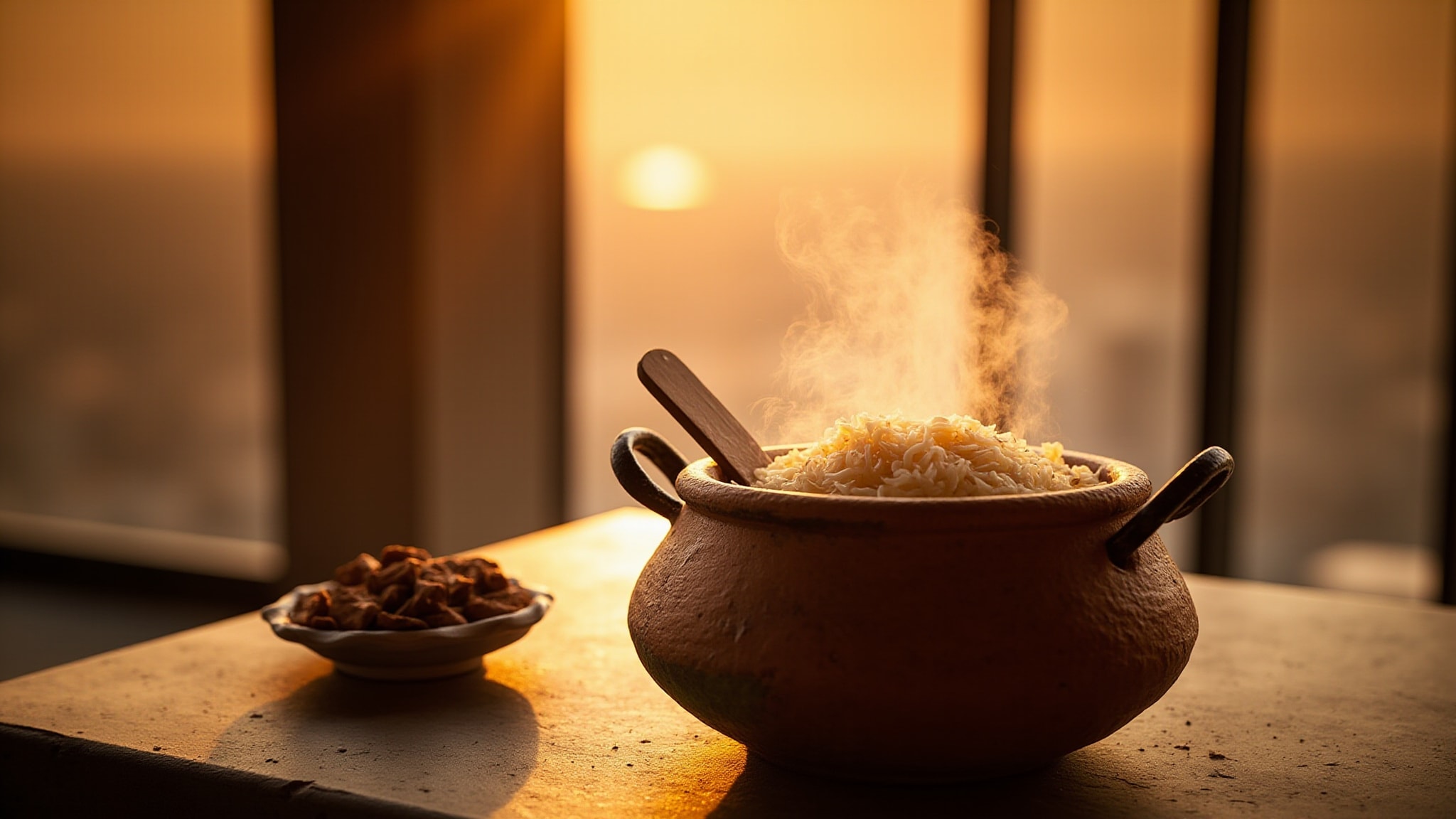
Basmati rice is one of the rarest rice varieties in the world. Its scent when cooked, starchy, warm, subtly floral, is familiar to anyone who's stood in a kitchen waiting for dinner. Carlin leaned into that familiarity and let the rice do something unusual: become more itself. The effect is paradoxical. Santal Basmati smells like cooked rice, but more so. More rice than rice. That's the trick, and where sandalwood earns its place, adding the creamy depth that keeps the grain from reading as food. The sandalwood doesn't mask the rice.
The evolution
The opening doesn't arrive. It exhales. Basmati rice first, a soft, starchy warmth that reads almost green, like steam rising from a pot just pulled from heat. Sandalwood follows within minutes, wrapping around the rice in a slow, creamy bloom. Neither dominates. They share the space. The transition happens in the first hour as the rice recedes and the sandalwood takes fuller shape, becoming less bright, more considered. The drydown brings patchouli and iris forward in a quiet powder that settles close to skin, never loud, never dramatic. Throughout the wear, the composition maintains its intimate character, revealing new facets gradually without ever demanding attention. Each stage of development feels deliberate, as the ingredients settle and meld into something cohesive.
Cultural impact
Perfumer Alexandra Carlin centered basmati rice as a core component of Santal Basmati, using a grain not commonly employed in fragrance. This choice brought an unconventional pairing into focus, one that draws from everyday ingredients rarely explored as primary materials in perfumery. The composition prioritizes intimacy and skin-proximity over projection and dominance, creating something that feels personal rather than performative. Santal Basmati offers a different kind of presence, one that invites close engagement rather than announcing itself across a room.