Basmati rice
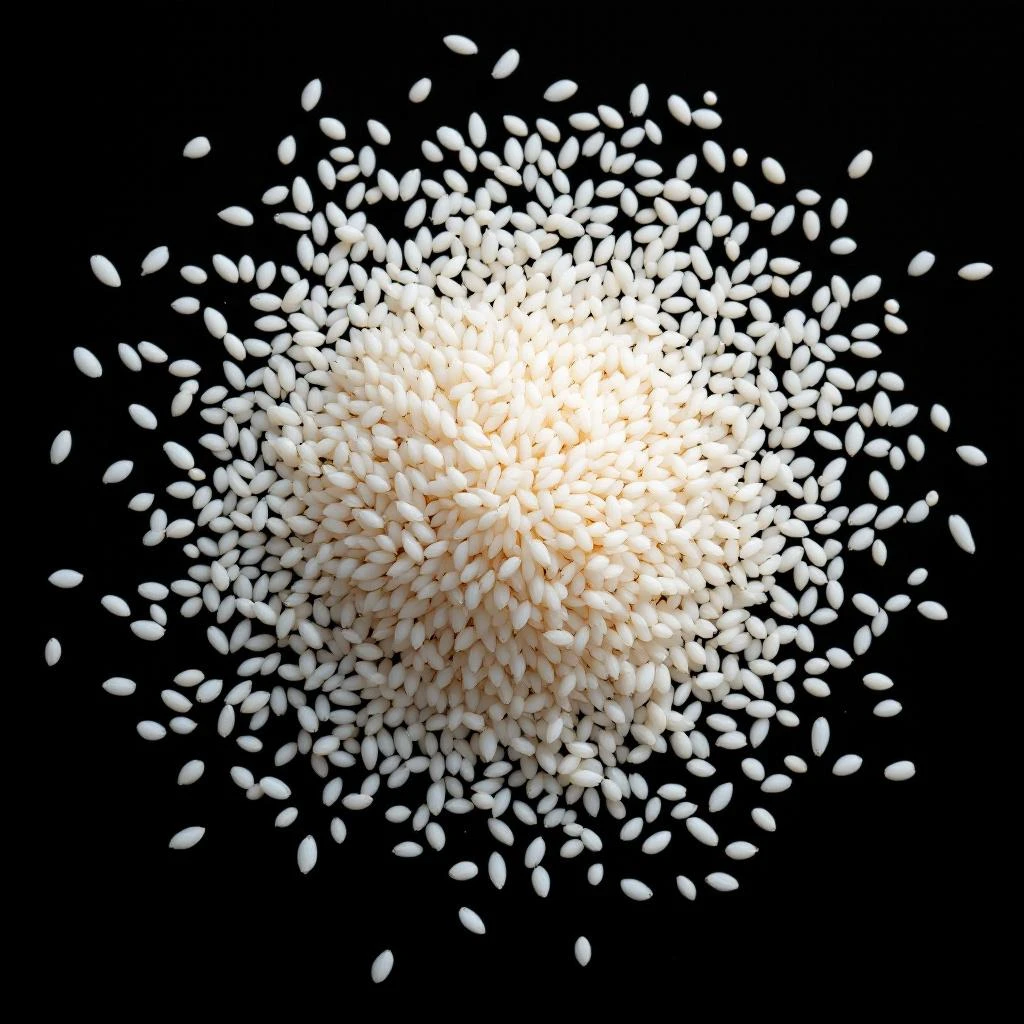
The aromatic grain whose Sanskrit name translates to Queen of Fragrance. Basmati rice brings a warm, nutty sweetness to perfumery, evoking the scent of freshly cooked rice with subtle toasted undertones and a creamy, comforting presence.
Character
How it smells
The Queen of Fragrance in every grain.
A single gene mutation in basmati rice produces 2-Acetyl-1-Pyrroline, the same compound that gives fresh bread crust and popcorn their distinctive aromas.








Origin
India
Basmati rice has grown along the fertile plains of Punjab and Haryana for centuries, with documented cultivation dating back generations on the Indian subcontinent. The name basmati traces directly to Sanskrit roots, where 'bas' means aroma and 'mati' means full of, translating poetically to Queen of Fragrance. A 2017 Cornell University study identified the specific gene responsible for basmati's prized fragrance, tracing it to a Japonica ancestor that evolved the mutation giving the grain its characteristic scent.
Traditional basmati cultivation requires specific environmental conditions, including cool temperatures and distinct dry seasons, contributing to its prized status. The grain moved from kitchen staple to perfumery ingredient as chemists isolated the key aromatic molecule, allowing its warm, comforting scent profile to enter fragrance creation beyond its culinary origins.
Wears it best
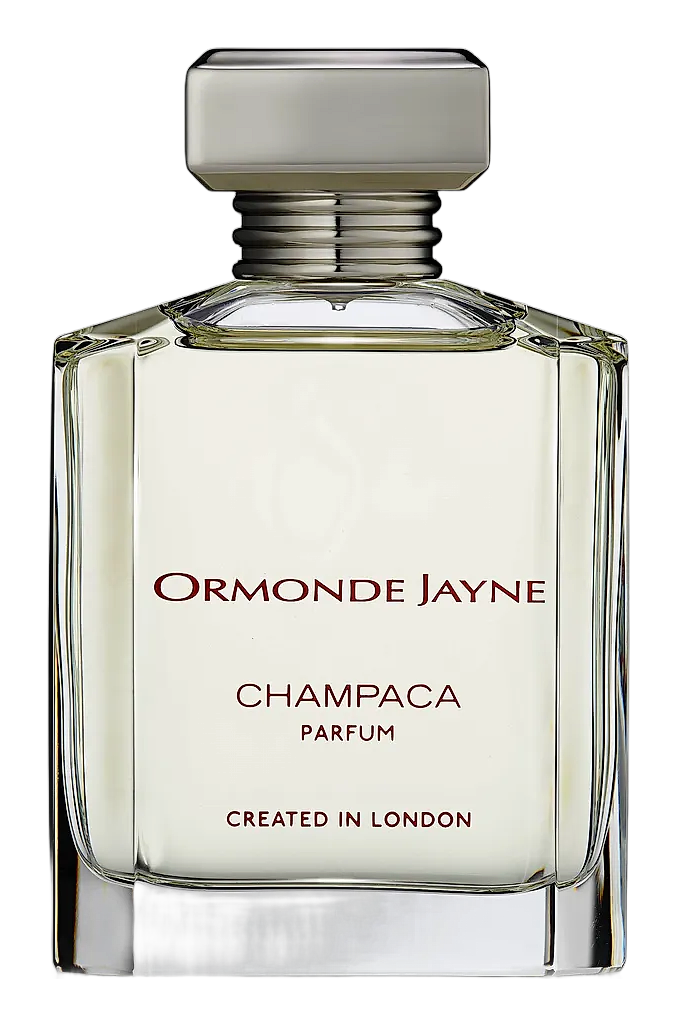
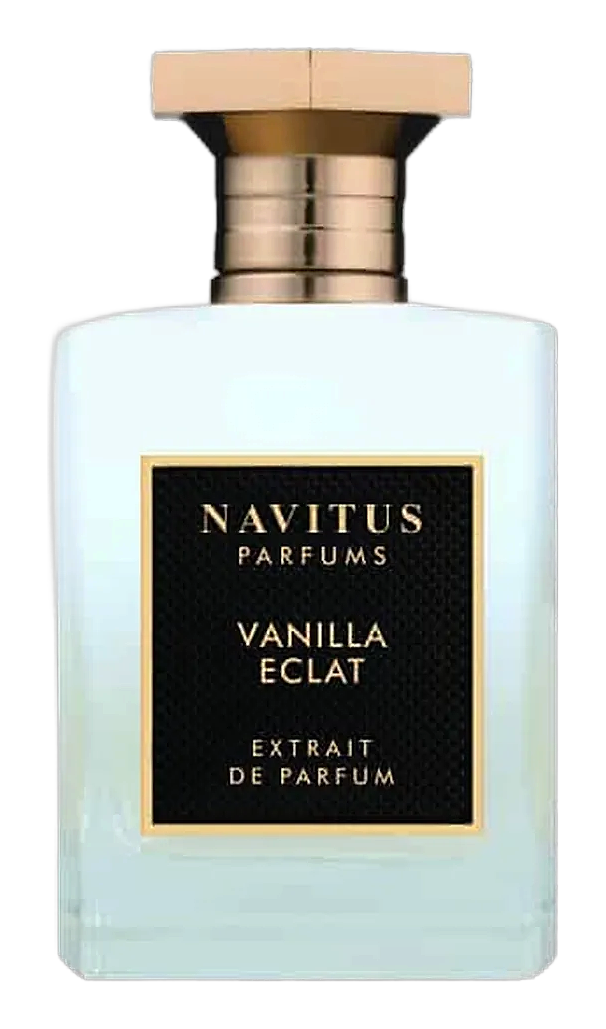
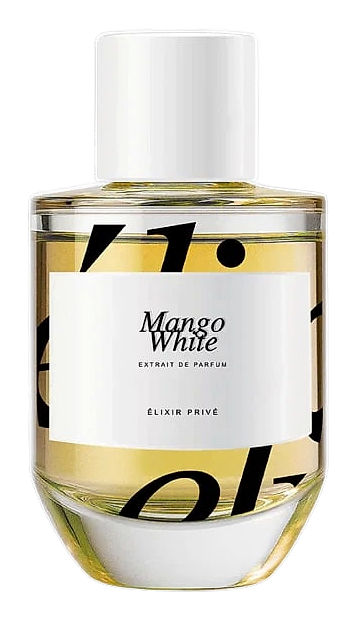
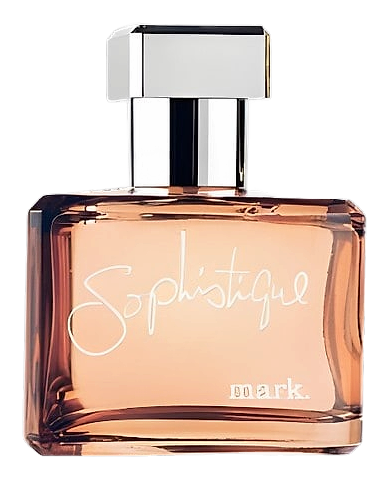
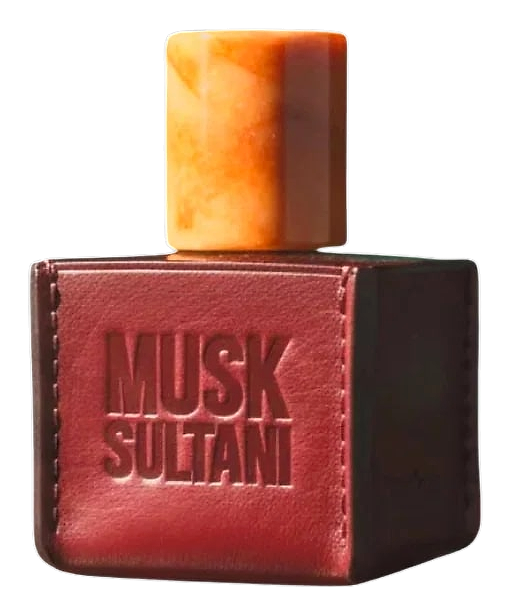
Fragrances featuring Basmati rice
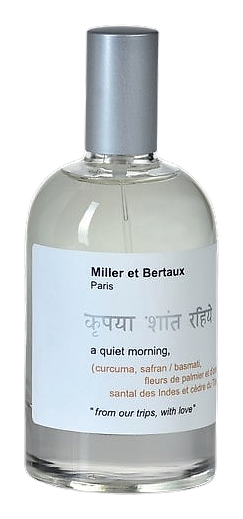
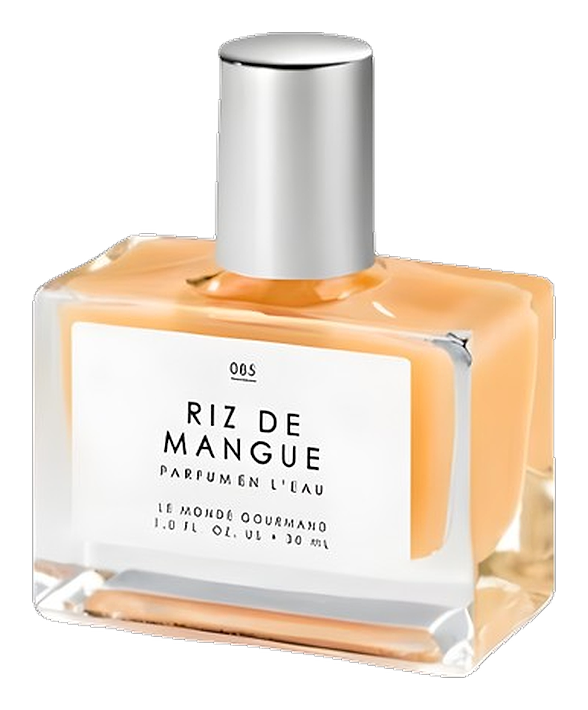
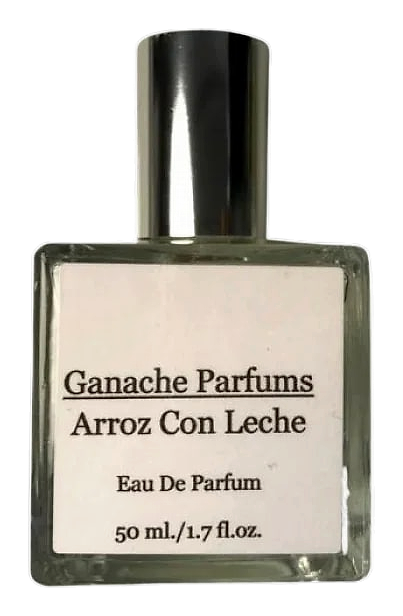


Brands
Brands known for Basmati rice
Good to know
Questions, answered
The essentials on Basmati rice in perfumery: how it smells, where it comes from, and how it behaves on skin.
What does basmati rice smell like in perfume?
Basmati rice in perfume evokes warm, cooked grain with nutty, slightly toasted undertones and a creamy, comforting sweetness. It adds a subtle cereal facet that reads as cozy and familiar rather than distinctive or aggressive.
Is basmati rice used as a natural ingredient in perfumery?
Basmati rice functions primarily as a nature-identical or synthetic ingredient in perfumery. The key aroma compound, 2-Acetyl-1-Pyrroline, is synthesized because natural extraction yields only trace amounts insufficient for commercial fragrance production.
What gives basmati rice its characteristic aroma?
2-Acetyl-1-Pyrroline (2-AP) creates basmati's distinctive scent. This compound develops naturally in the grain and produces the same aroma found in fresh bread crust, pandan leaf, and certain varieties of fern.
How does basmati rice compare to jasmine rice in fragrance?
Basmati rice offers a nuttier, slightly sweeter profile with subtle toasted notes. Jasmine rice contributes a more floral, slightly greener character. Both share the core warm-grain quality but basmati reads as more buttery and toasted.
Where does basmati rice originate?
Basmati rice originates from the Punjab and Haryana regions of the Indian subcontinent. These areas provide the specific climate and soil conditions that produce the grain's characteristic elongated grain and pronounced aroma.
What fragrances typically use basmati rice notes?
Basmati rice appears in warm, skin-like fragrances and gourmand compositions. It works particularly well in oriental fragrances, clean skin scents, and cozy autumn-winter perfumes where its comforting cereal quality enhances warmth and depth.
Can I extract basmati rice fragrance at home?
Home extraction via tincture is possible but yields subtle results. DIY enthusiasts report that soaking basmati rice in high-proof alcohol for several weeks produces a delicate extract, though professional perfumers find natural rice extraction insufficient for most formulations.
Does basmati rice contain the same compound as popcorn?
Yes. Both basmati rice and popcorn contain 2-Acetyl-1-Pyrroline, which develops through different mechanisms: naturally during cooking in rice, and through the high-heat reaction in popped corn kernels.