The Story
Why it exists.
The beginning
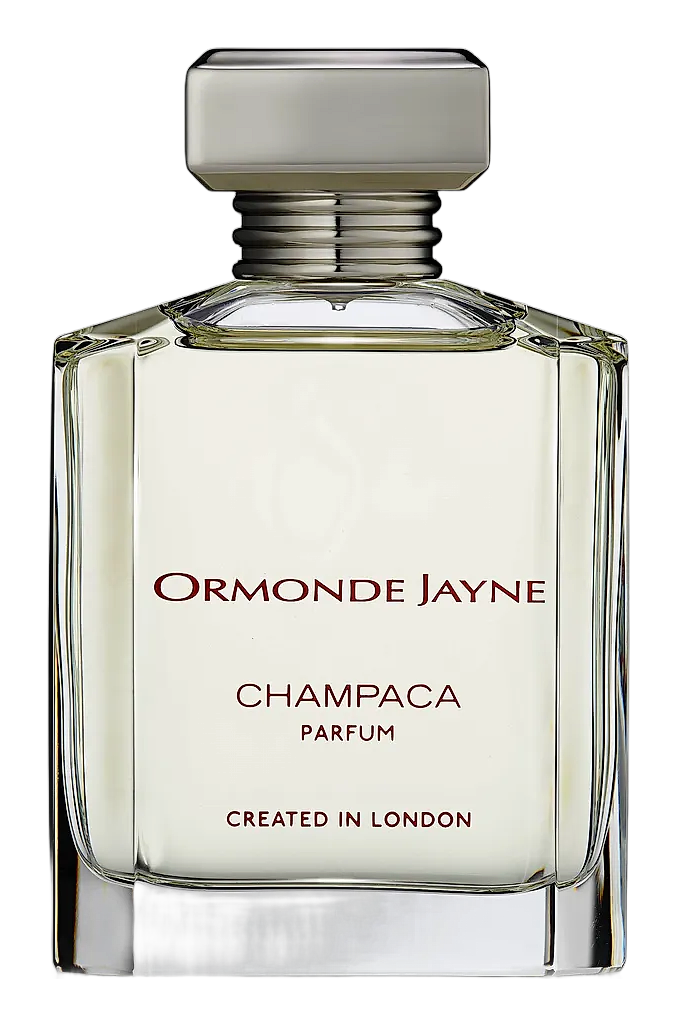
Champaca was created by Geza Schön for Ormonde Jayne, the London house founded by Linda Pilkington in 2002. The brand's philosophy centers on honoring the story behind each ingredient, and Champaca embodies this ethos completely. Named for the flower of the tropical magnolia native to South and Southeast Asia, the same species the Buddha reputedly sat beneath, the fragrance takes its lead from that contemplative history. Schön, known for his precise, material-forward approach, built the composition around a material that has been precious for centuries. The result is a fragrance that lets its ingredients speak on their own terms, transparent in its sourcing and restrained in its aesthetic.
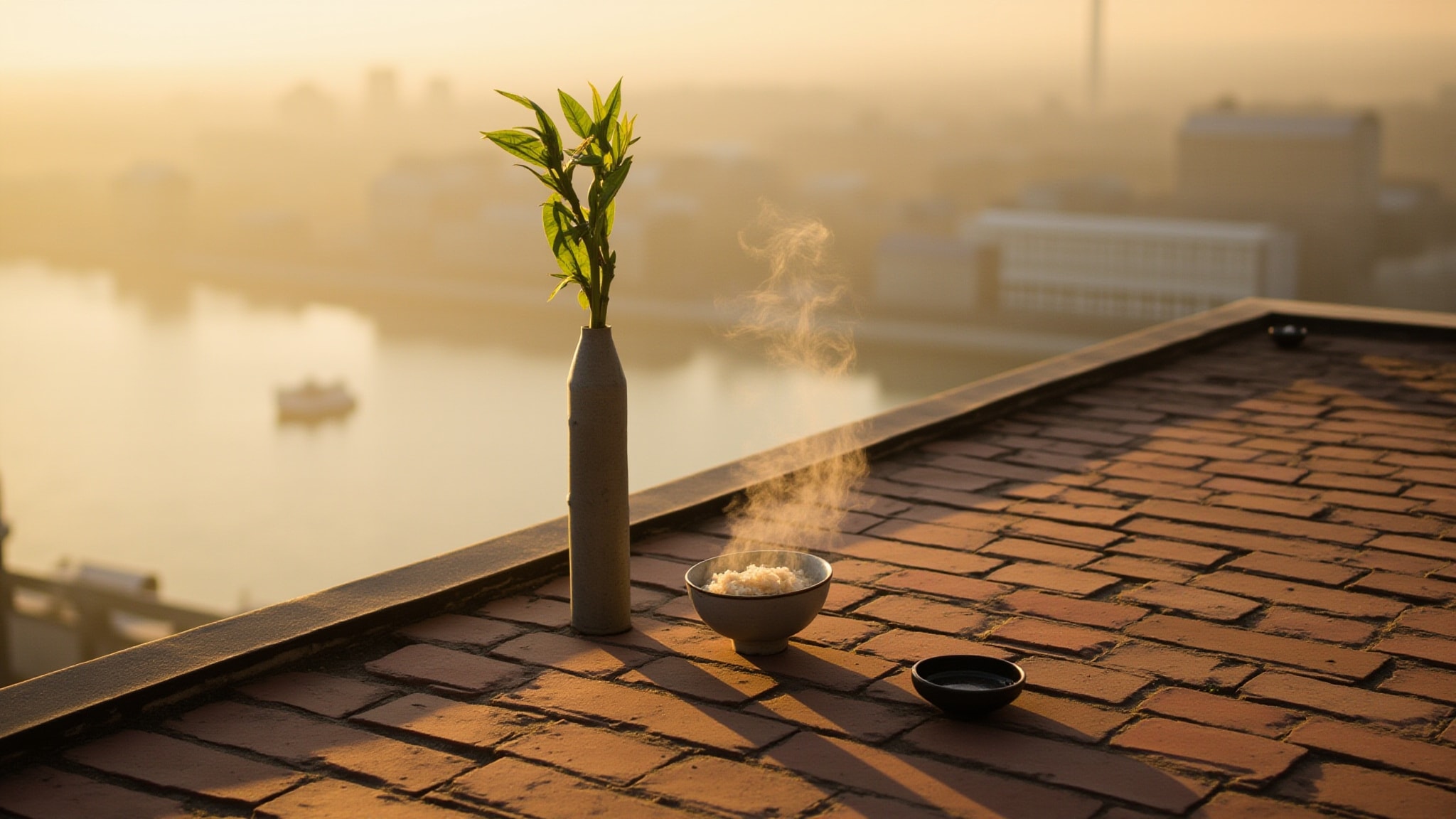
The notes in Champaca were chosen not for shock value but for their ability to tell a coherent story. Bamboo and neroli establish a fresh, calming opening; the Champa flower, freesia, and basmati rice create a heart that is simultaneously exotic and familiar. The drydown of green tea, musk, and myrrh grounds the composition in something contemplative, echoing the meditative history of the flower itself. The pairing of rice with florals may seem unusual, but it serves a purpose: it grounds the delicate quality of the Champa flower in something tangible, preventing the fragrance from floating away entirely.
The evolution
Champaca begins with a sharp, green clarity as bamboo cuts through the air, softened within moments by the sweet, orange-blossom warmth of neroli. Pink pepper arrives last in the opening, a fleeting spice that adds dimension without assertiveness. The heart shifts the narrative entirely: Champa flower asserts its creamy, almost buttery floral character while freesia absolute lends a translucent, slightly tart lift. Basmati rice emerges as the unexpected anchor, a warm, starchy presence that grounds the florals in something grounded and domestic. The drydown unfolds slowly, green tea introducing a bitter, watery counterpoint to the warmth of the rice, while musk smooths the transition into a skin-close embrace. Myrrh lingers in the background, its resinous, faintly medicinal depth giving the composition a contemplative finish that remains present for hours.
Cultural impact
Champaca occupies an unusual position among niche florals, it arrived in 2002, before the niche boom made this kind of quiet, ingredient-focused composition fashionable. Wearers describe it as the kind of fragrance someone chooses when they already know what they like rather than what they think they should wear. The rice note is the most discussed element: it either becomes the thing they love or the thing that keeps them from reaching for the bottle. That division is itself telling. It suggests the fragrance is specific enough to provoke a real opinion, which is rarer than it sounds.