Freesia absolute
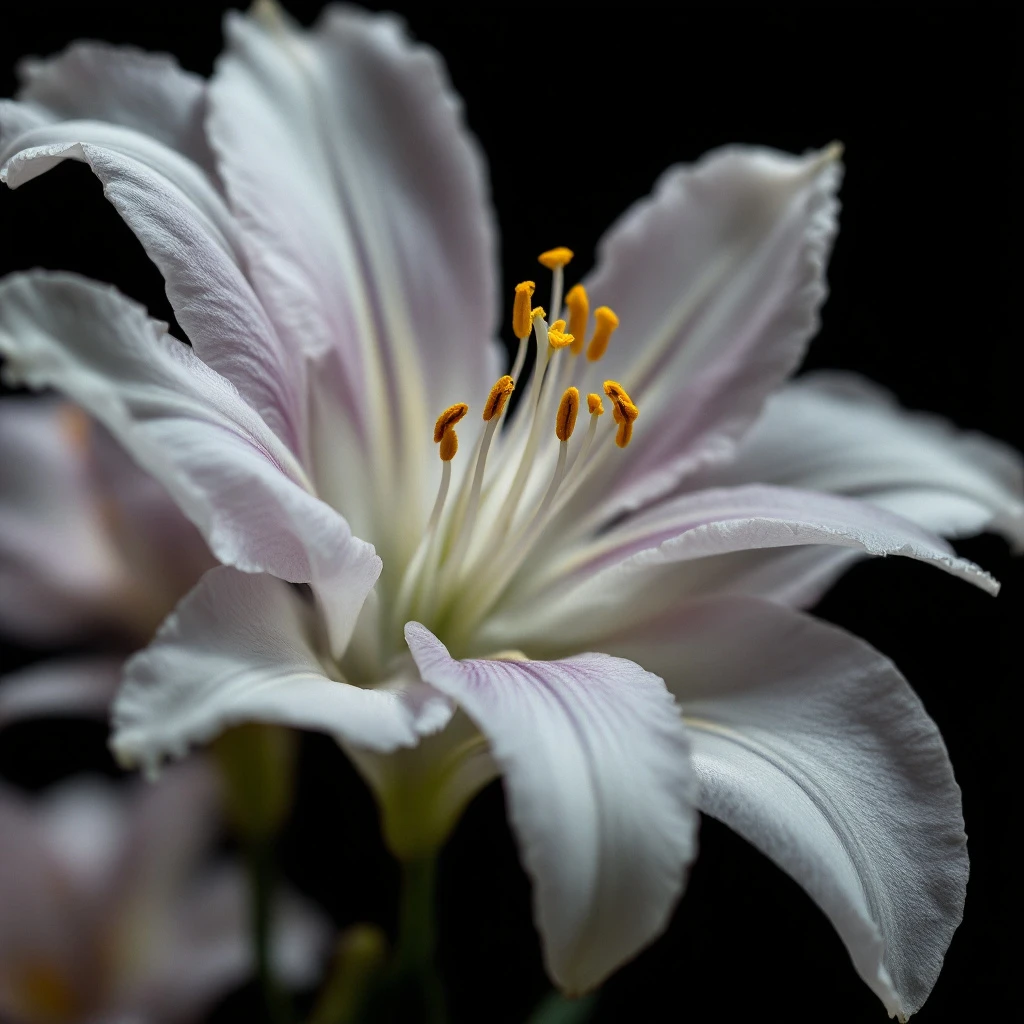
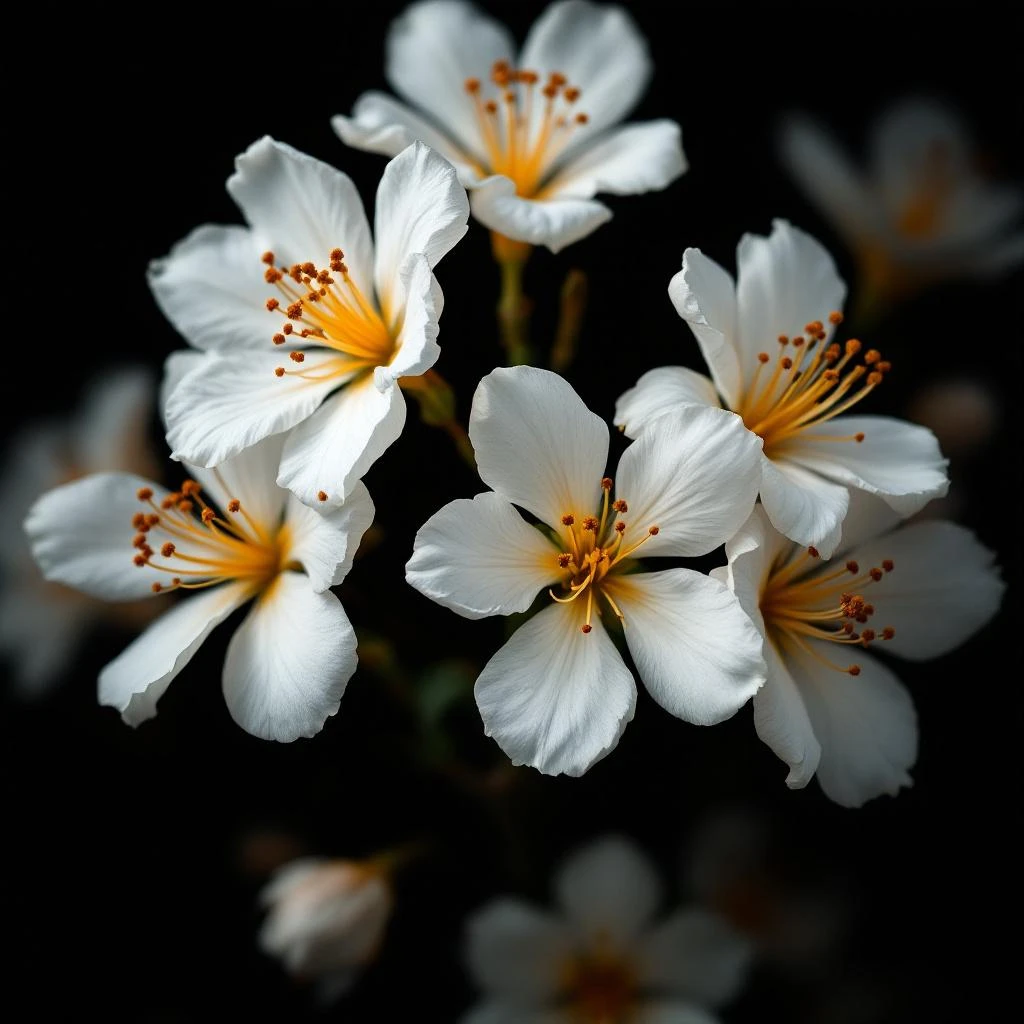
Sweet, cool, and unmistakably dewy - freesia absolute captures the crisp green-floral character that has made this flower a modern perfumery icon.
Character
How it smells
Green-floral with a cool, dewy freshness
Freesias were named in 1830 after German physician Friedrich Freese, who was among the first to cultivate them in Europe.

Origin
South Africa
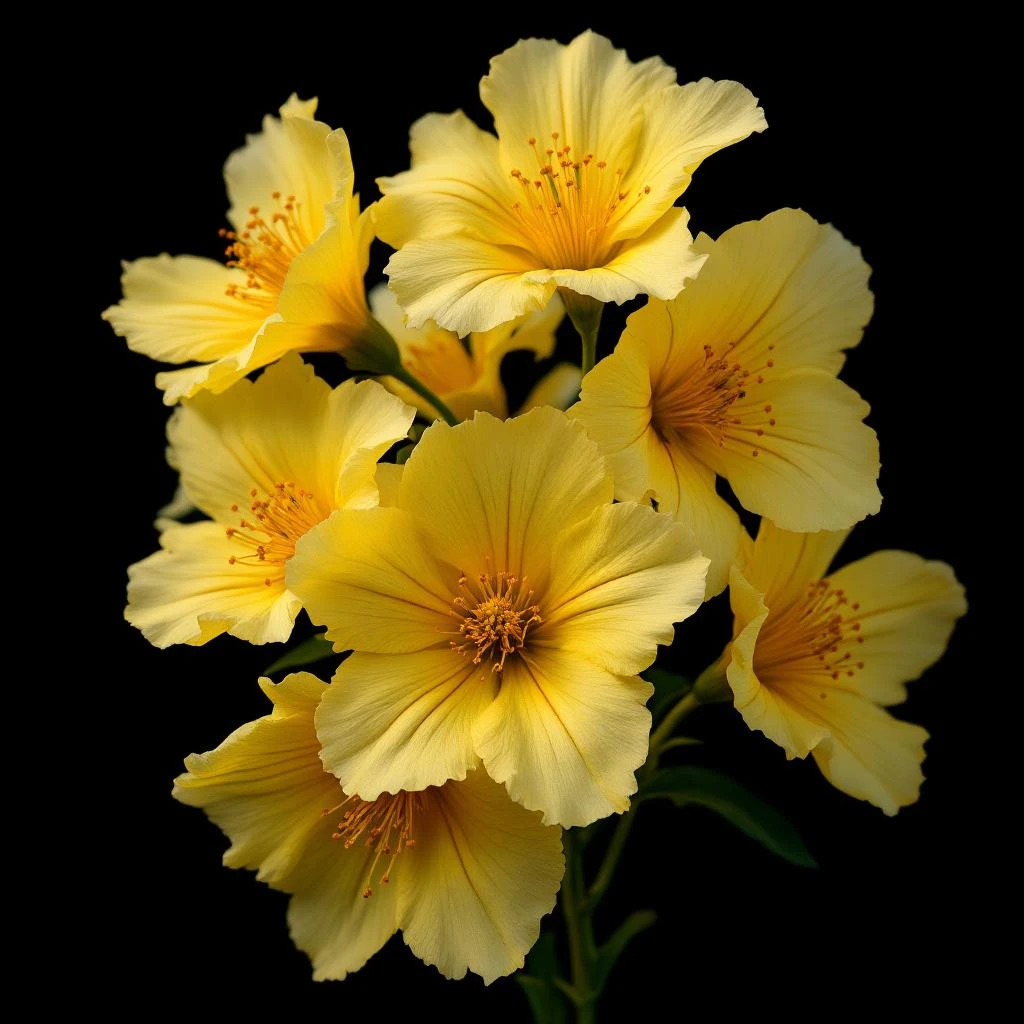
Freesia took its name from Friedrich Heinrich Theodor Freese, a German physician from Kiel who died in 1876. The flower received its formal botanical designation around 1830, honoring his early work cultivating South African species in European greenhouses. Cape floristic region remains the flower's ancestral home, where wild freesia species still grow among fynbos vegetation.
For most of perfumery history, freesia remained elusive as an extracted material. Unlike jasmine or rose, freesia never became a crop grown specifically for industrial fragrance production. This changed when aroma chemists identified the key molecules responsible for its cool, watery-green character, allowing synthetic recreations that now appear in countless modern fragrances.
The flower's transition from greenhouse curiosity to mass-market fragrance staple reflects a broader shift in how perfumery sources its ingredients.
Wears it best
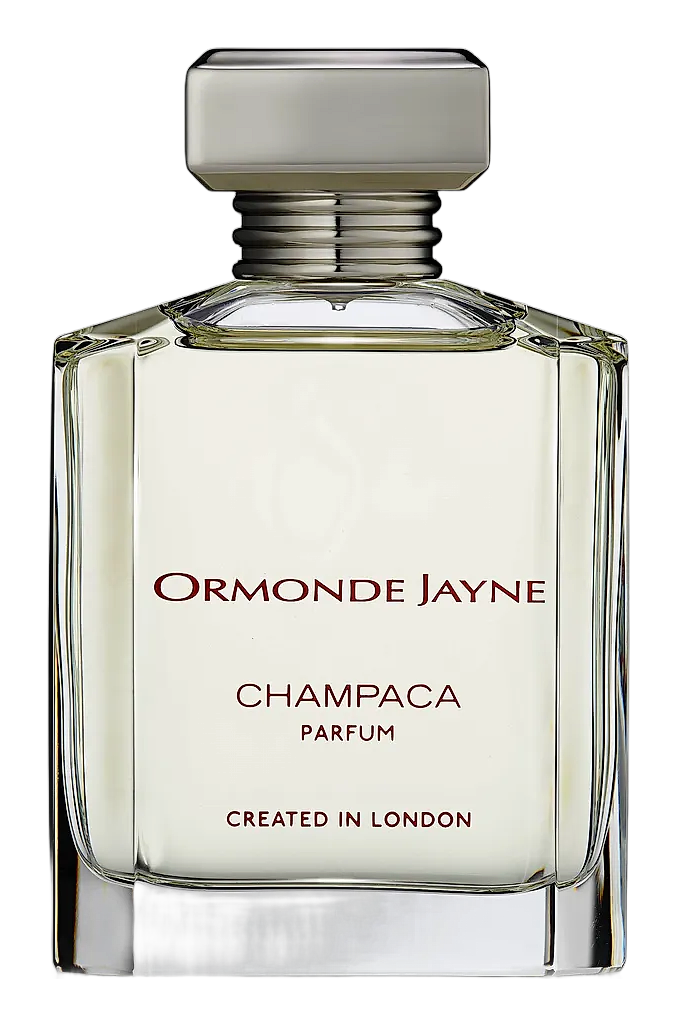
Fragrances featuring Freesia absolute
Brands
Brands known for Freesia absolute
Good to know
Questions, answered
The essentials on Freesia absolute in perfumery: how it smells, where it comes from, and how it behaves on skin.
Is freesia absolute natural or synthetic?
Most freesia absolute comes from solvent extraction of cultivated flowers, though genuine freesia extracts are rare. The majority of freesia notes in perfumes are created using synthetic aroma chemicals that replicate the flower's distinctive cool, green-floral character.
What does freesia absolute smell like?
Freesia absolute has a sweet, cool, watery-floral scent with green undertones and a distinctive dewy freshness. The aroma evokes the smell of freshly cut stems and morning-bloomed petals.
Why is natural freesia absolute rare?
Freesias were never cultivated at industrial scale for fragrance production, unlike jasmine or rose. Their delicate nature and low oil yield make extraction expensive, so perfumers typically rely on synthetic recreations.
When should I look for freesia in a fragrance?
Freesia works best in spring and summer fragrances. Its cool, watery character pairs naturally with green notes, citrus, and other light florals like lily of the valley and peony.
Does freesia pair well with woody notes?
Freesia's cool, green-floral character provides an interesting contrast to warm woods like sandalwood and cedar. The combination creates a contemporary balance between freshness and depth.
How is freesia absolute different from other floral absolutes?
Unlike dense absolutes such as jasmine or rose, freesia absolute is prized for its airy, refreshing quality. It contributes brightness and lift rather than deep, indolic richness.
What climate affects freesia's scent profile?
Freesias grown in cooler regions with bright sunlight develop more intense aromatic compounds. Soil composition also influences the mineral qualities that appear in the extract.
How do I identify real freesia absolute in perfume ingredients?
Authentic freesia absolute appears rarely and at significant cost. Check for the ingredient listed as 'freesia absolute' rather than 'freesia' alone, which typically indicates a synthetic version.