The Heritage
The Story of Ormonde Jayne
Ormonde Jayne is a British niche perfume house that blends traditional craftsmanship with a modern sensibility. Founded by Linda Pilkington, the brand began as a candle workshop in London and quickly expanded into fragrance, earning a reputation for precise ingredient sourcing and understated elegance. Its portfolio includes both single‑note explorations and complex compositions that reflect a distinctly British perspective on scent.
Heritage
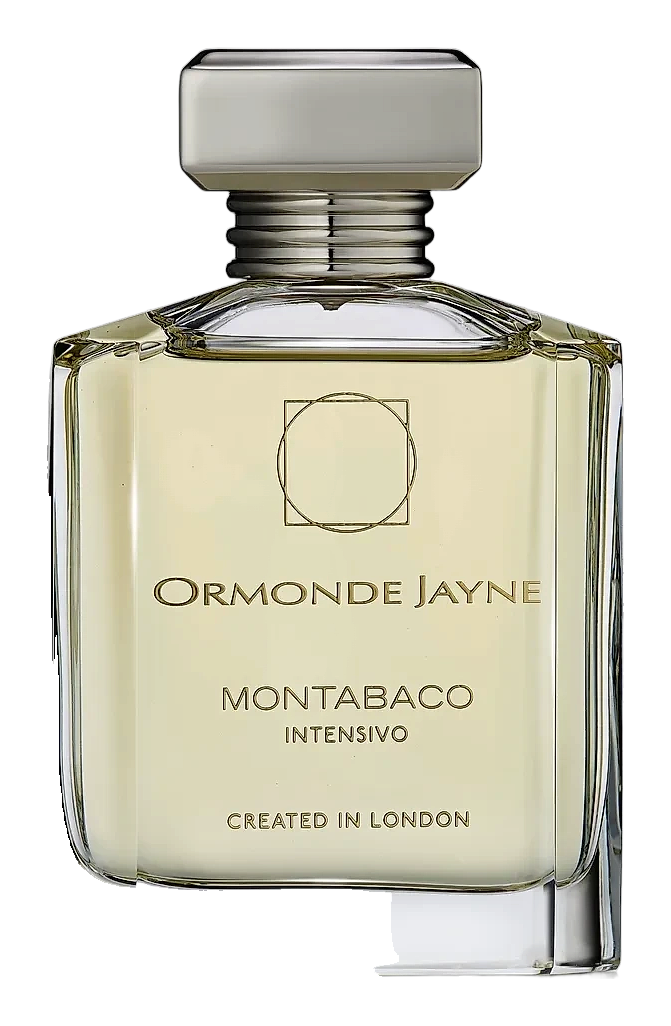
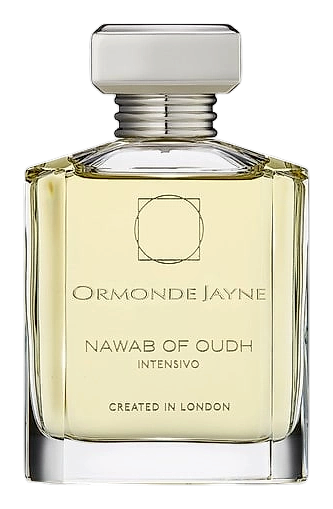
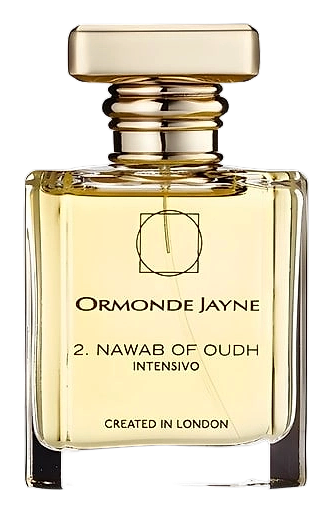
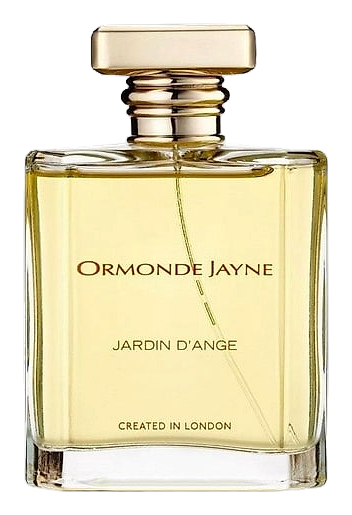
Linda Pilkington opened a small candle studio in London at the turn of the millennium. In 2002 she introduced the first Ormonde Jayne fragrance, marking the brand’s entry into the niche perfume market. Early releases emphasized British ingredients such as oakmoss and heather, establishing a regional identity that set the house apart from continental competitors. By 2005 the label had secured shelf space in select boutique retailers across the United Kingdom, and the following year it launched its first perfume dedicated to a single note, a move that attracted attention from fragrance journalists. The 2012 debut of Nawab of Oudh signaled a shift toward richer, oud‑focused creations, a direction that continued with Nawab of Oudh Intensivo in 2015 and the Montabaco line, beginning with Montabaco Intensivo in 2013. In 2016 Ormonde Jayne released One, a unisex scent designed to be adaptable to any wearer, reinforcing the brand’s commitment to versatility. Recent years have seen collaborations with historic British institutions, such as the 2017 Fortnum & Mason exclusive Jardin D’Ange, and the introduction of new raw materials sourced from remote regions, exemplified by Nawaf Zaffran in 2025. Throughout its evolution, the house has maintained a modest size, allowing it to retain control over formulation, production, and distribution while cultivating a loyal following among scent connoisseurs.
Craftsmanship
The production process begins in a London laboratory where raw materials are evaluated for purity and scent profile. Ormonde Jayne sources many ingredients directly from growers, bypassing large distributors to ensure traceability. For example, the oud used in Nawab of Oudh arrives in small batches from a family plantation in the Mekong Delta, where the wood is harvested after a minimum ten‑year maturation period. Once the raw material reaches the lab, master perfumers blend it with supporting notes using traditional weighing techniques, often in 1‑gram increments to achieve precise balance. After formulation, the mixture matures in glass vessels for several weeks, allowing the components to integrate fully. Quality control includes gas‑chromatography analysis to verify the presence of target molecules and sensory panels that assess consistency across batches. Bottles are hand‑blown in England by a specialist glassmaker, and caps are machined from brass sourced from a historic foundry in Sheffield. Packaging materials are selected for durability and recyclability; the outer boxes feature recycled paper with a minimalist foil imprint. The brand ships finished products from its London warehouse, maintaining a tight chain of custody that reduces handling time and preserves fragrance integrity.
Design Language
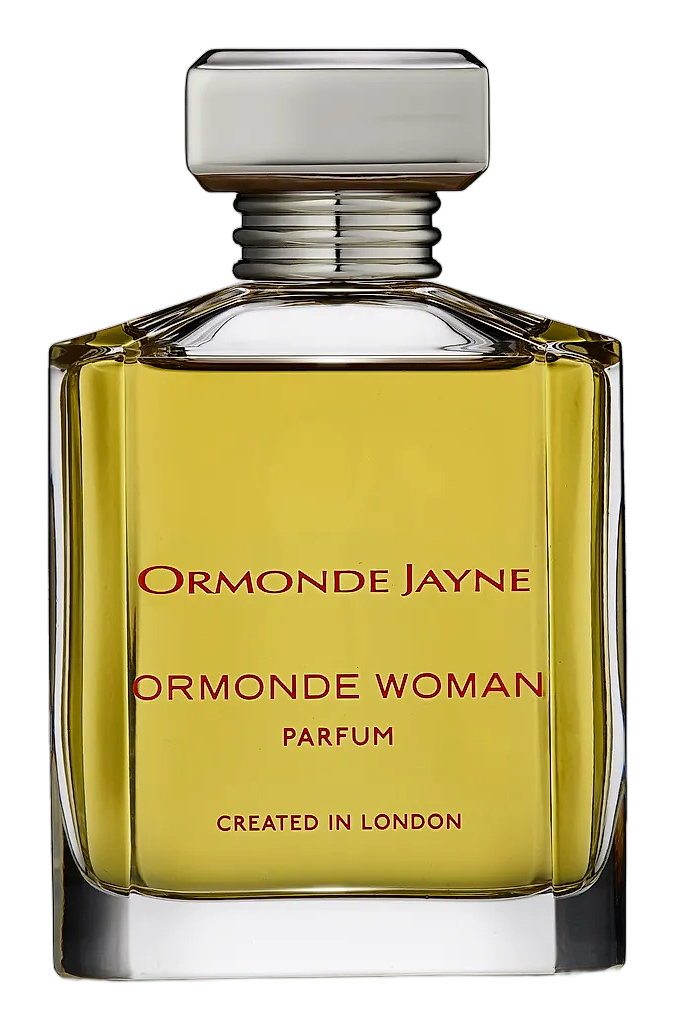
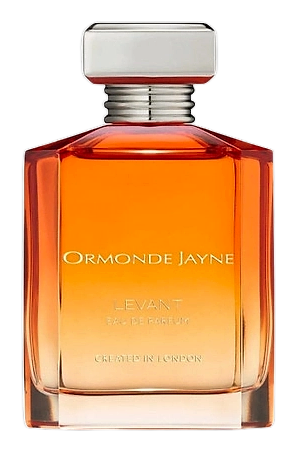
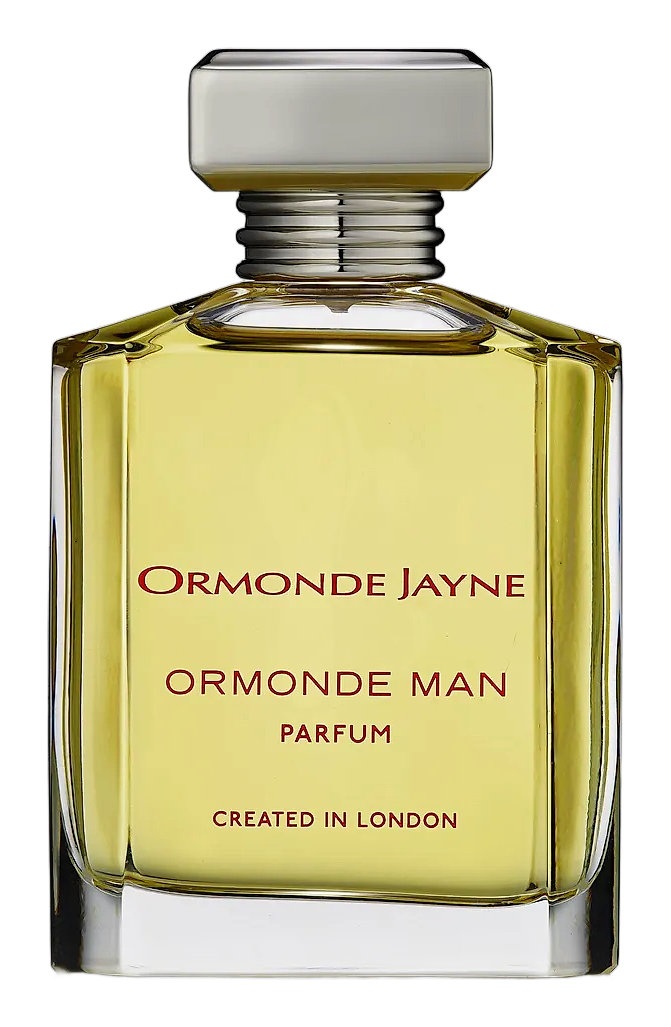
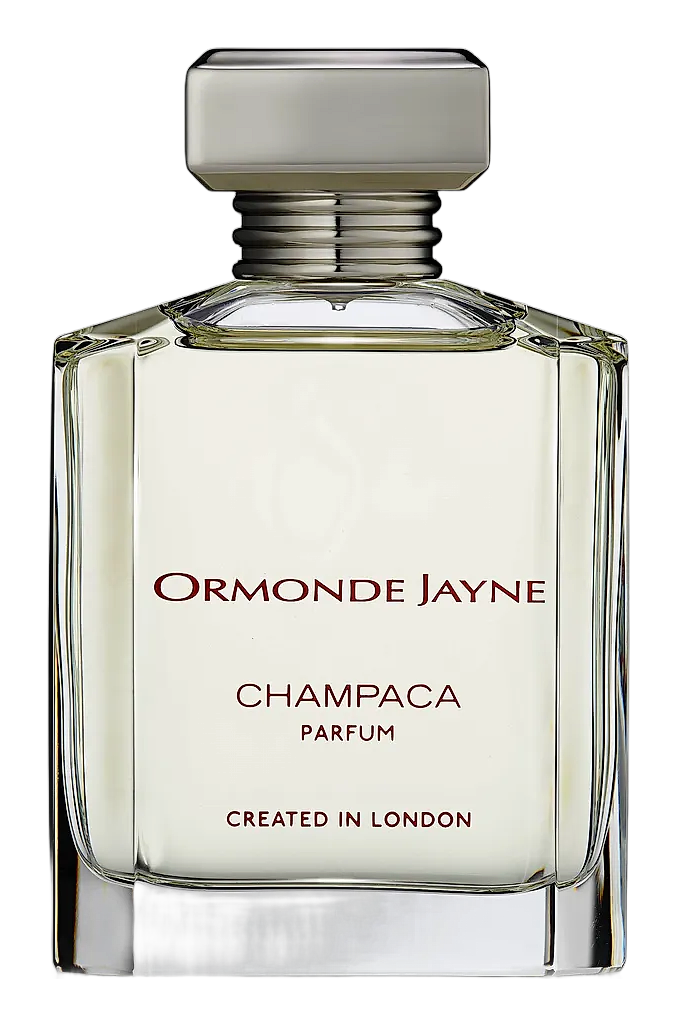
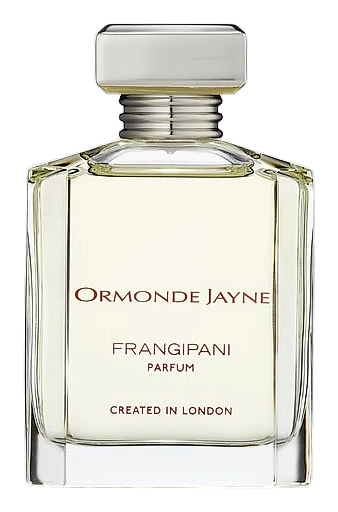
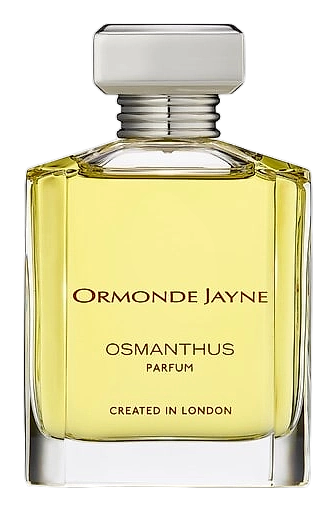
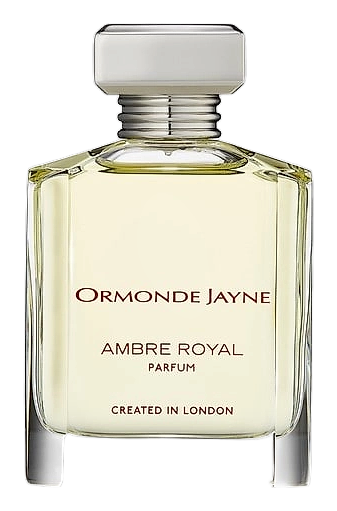
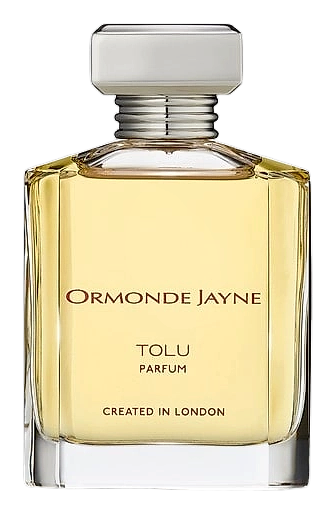
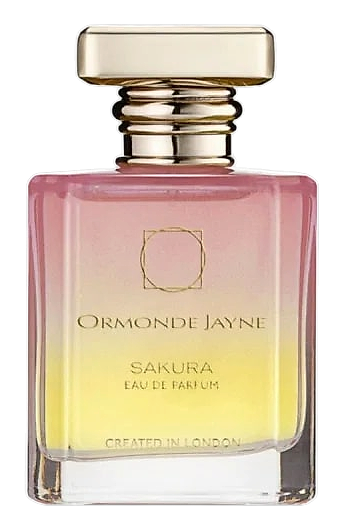
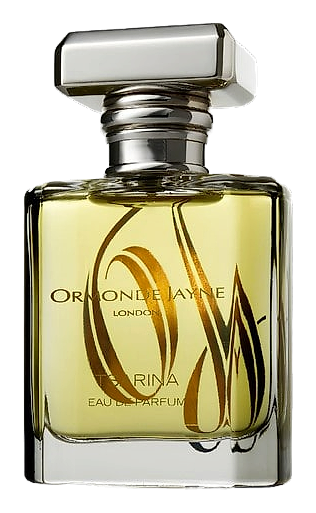
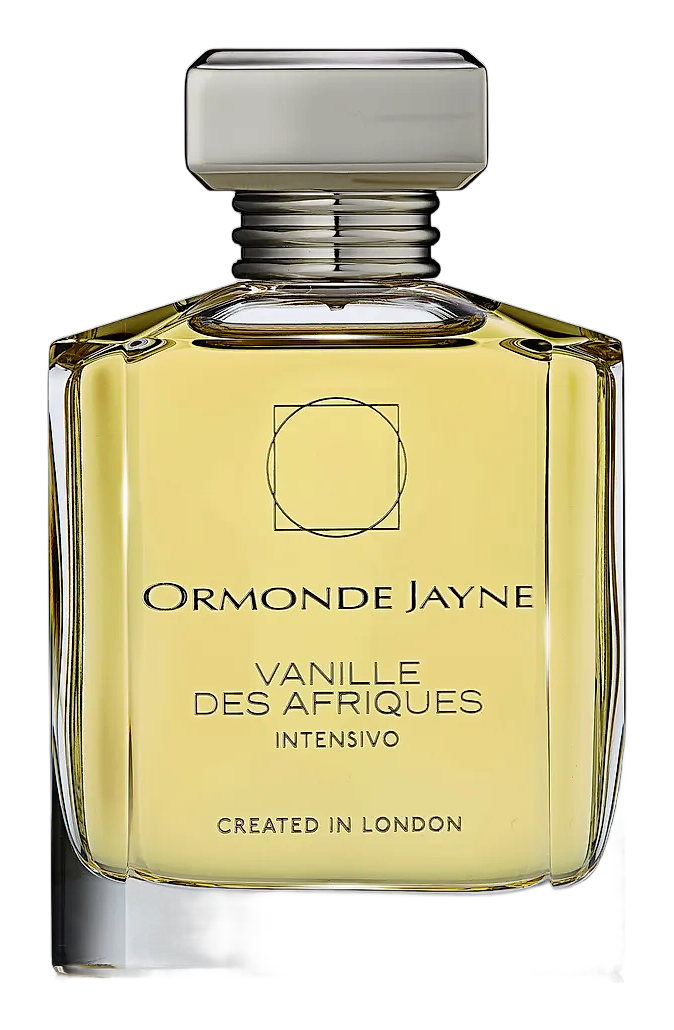
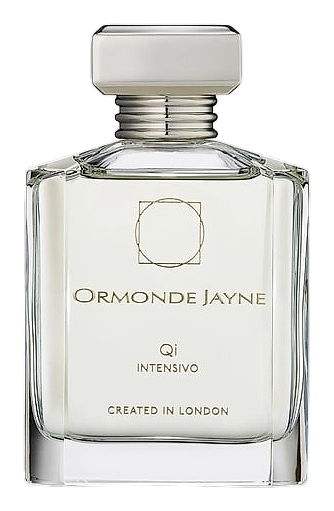
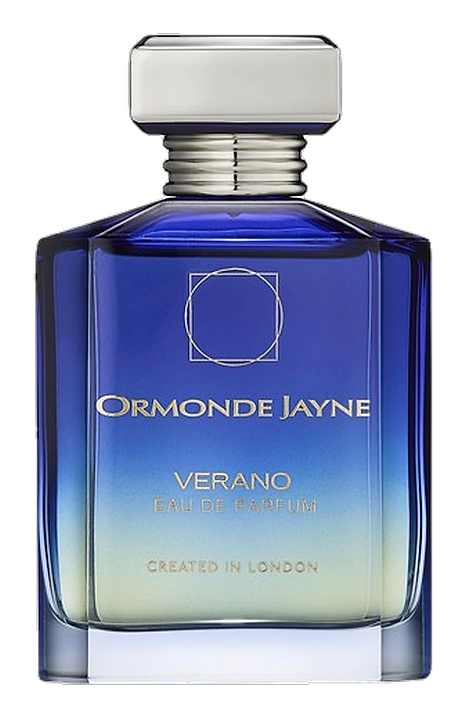
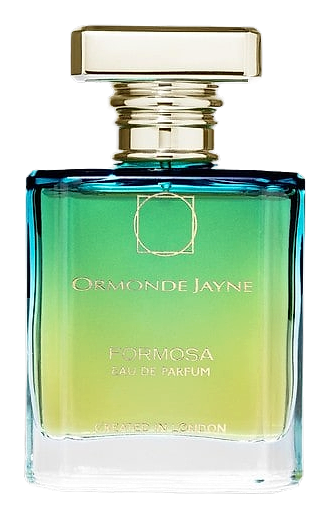
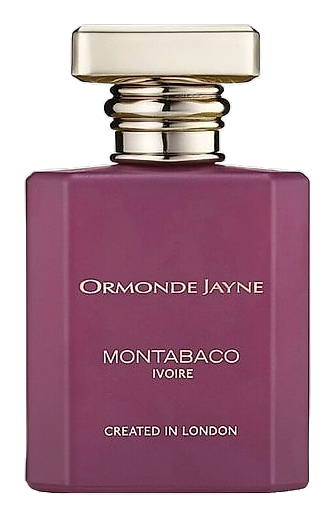
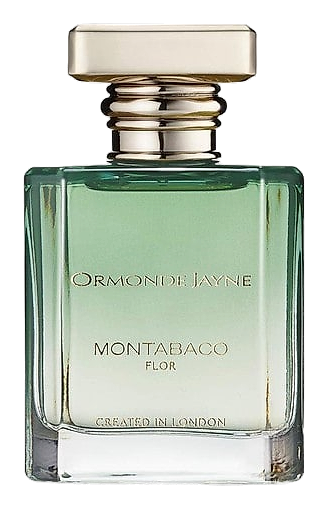
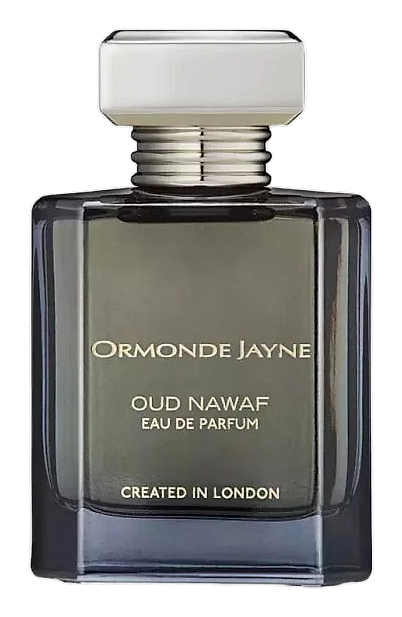
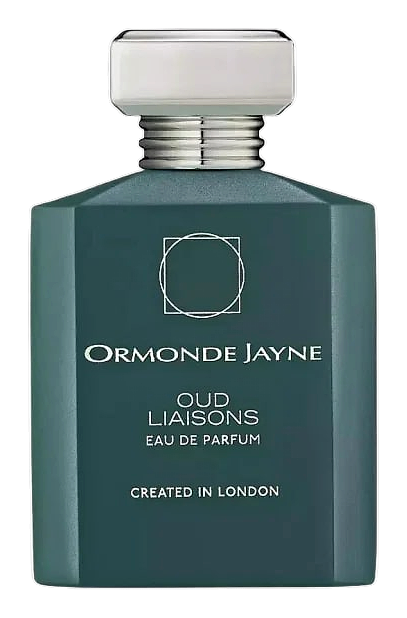
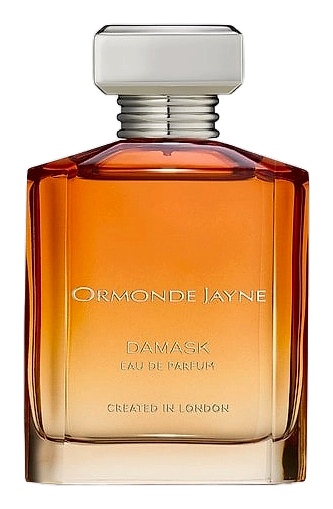
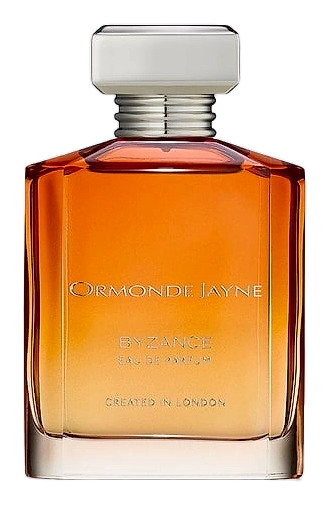
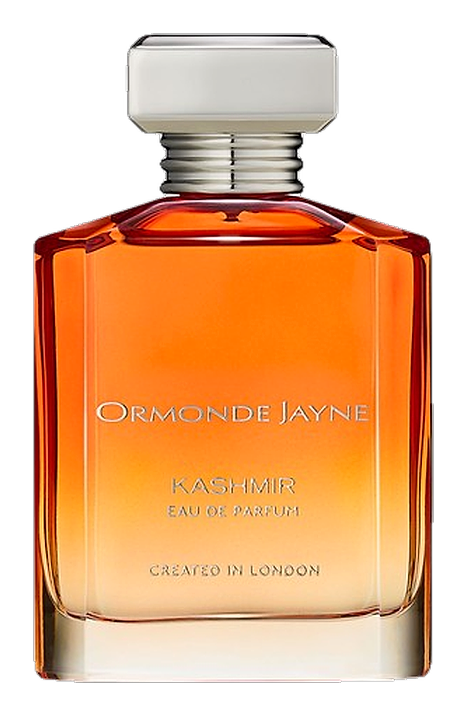
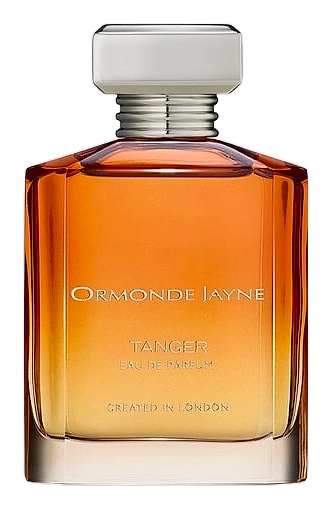
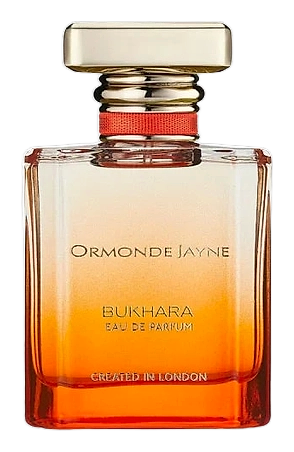
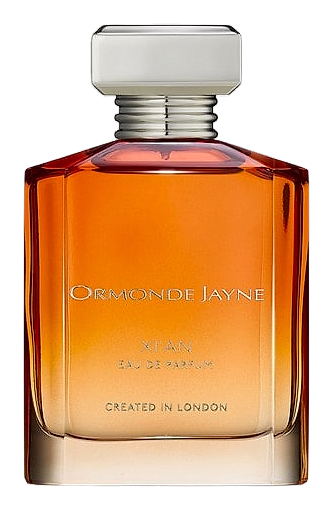
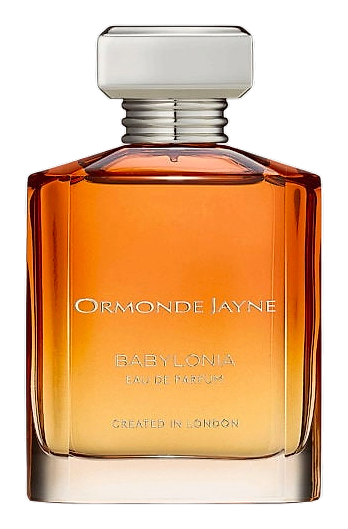
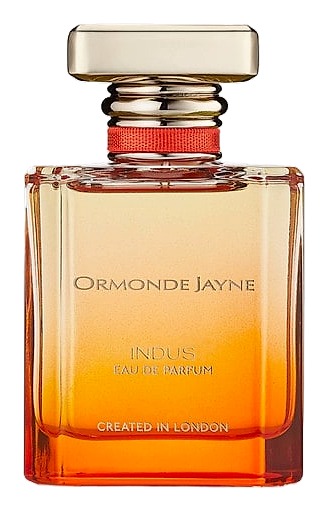
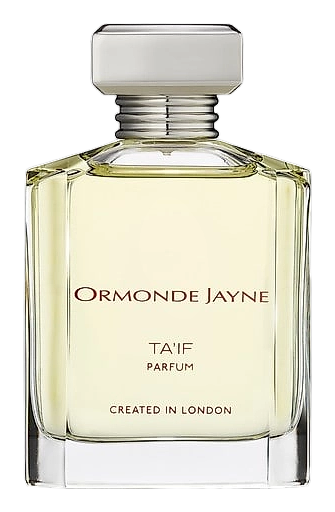
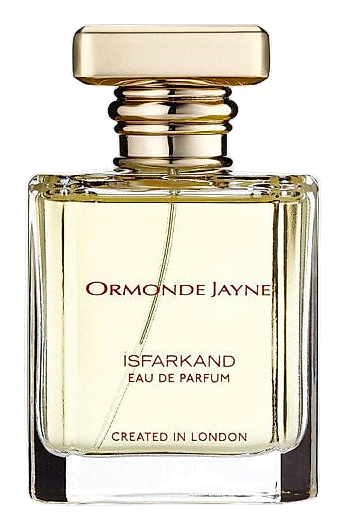
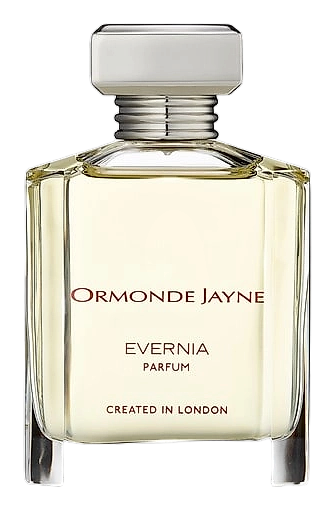
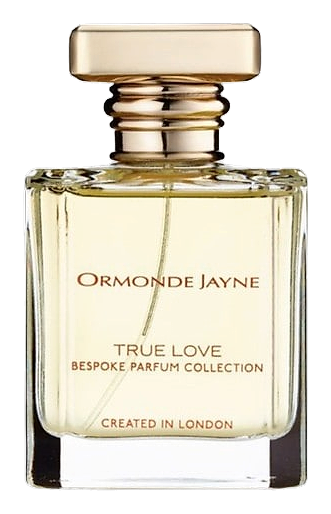
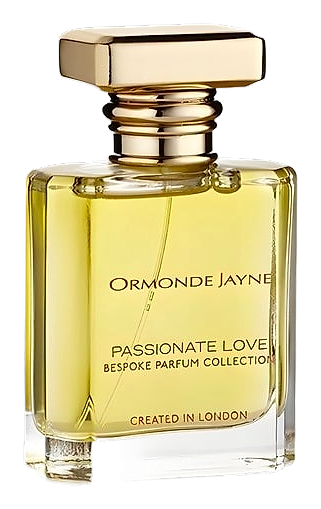
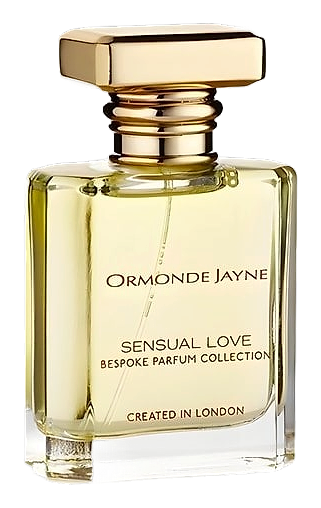
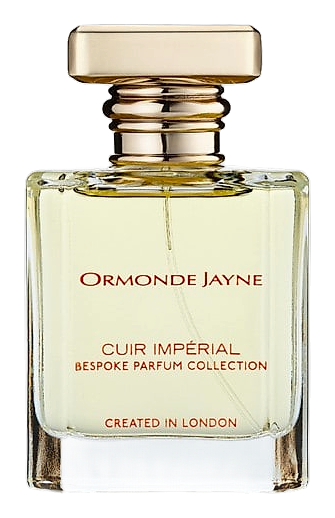
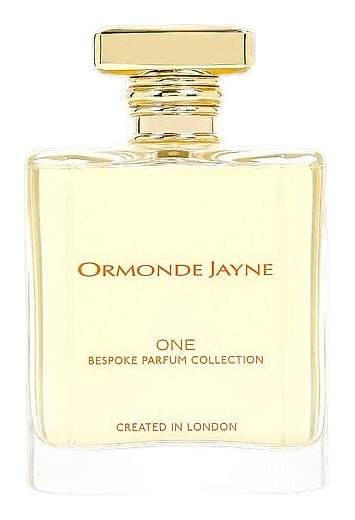
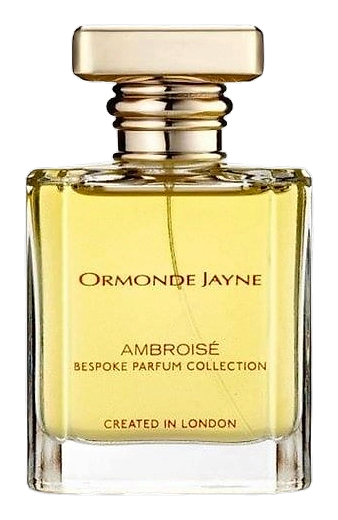
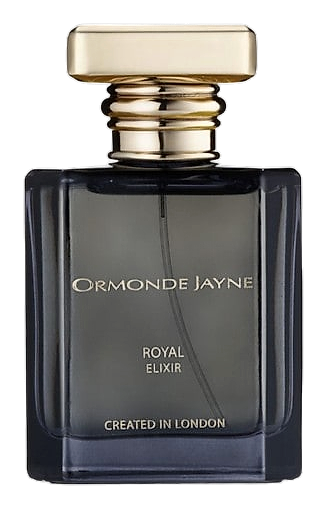
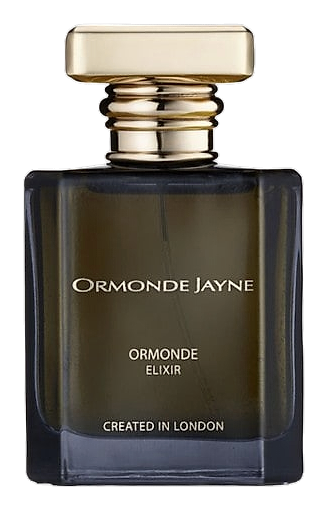
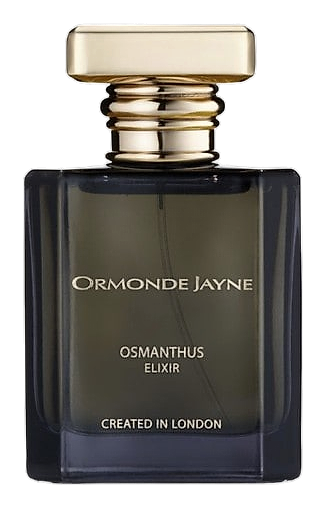
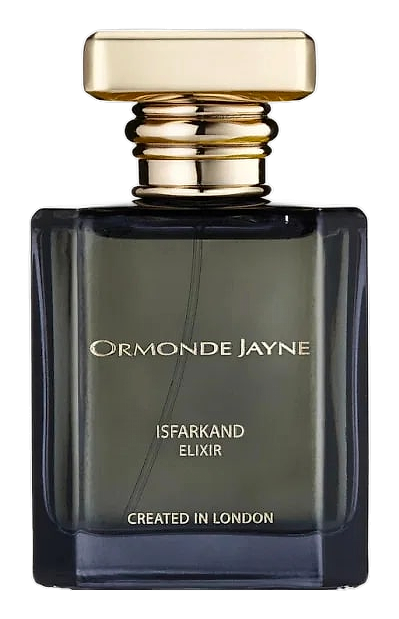
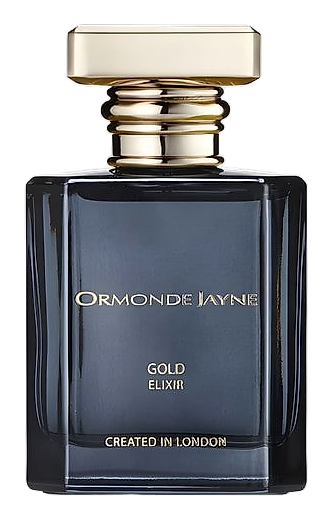
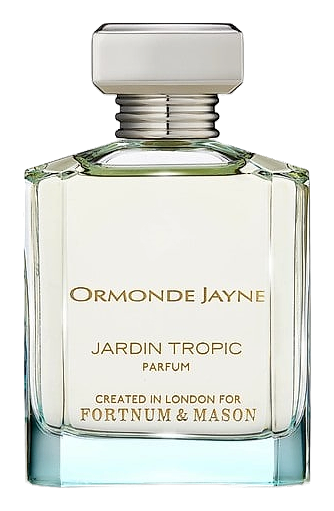
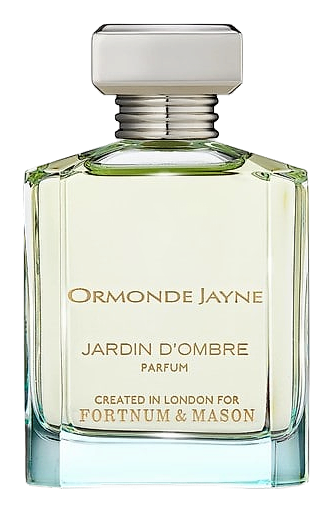
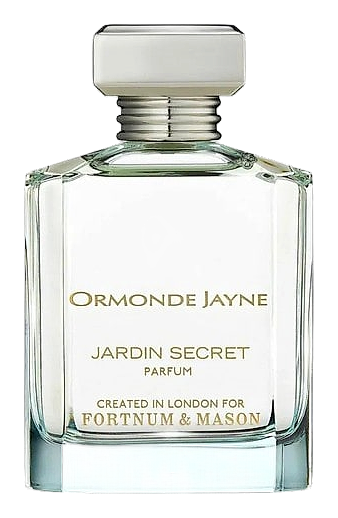
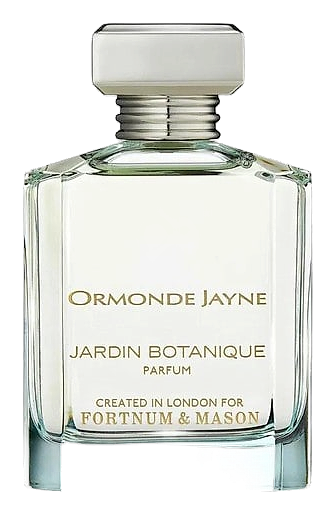
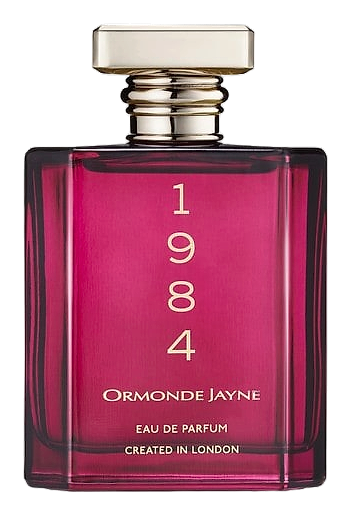
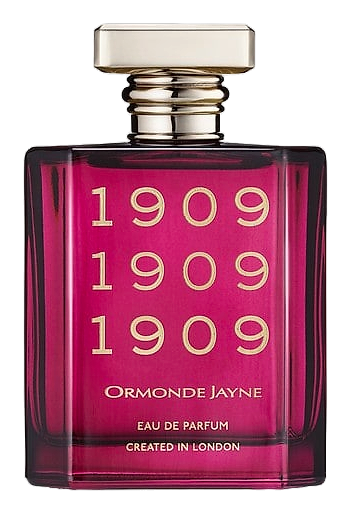
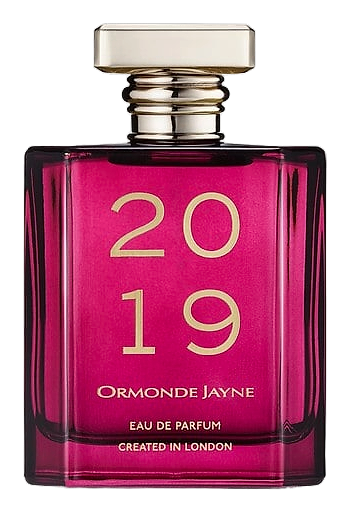
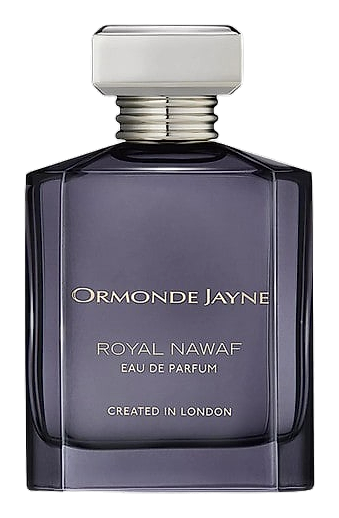
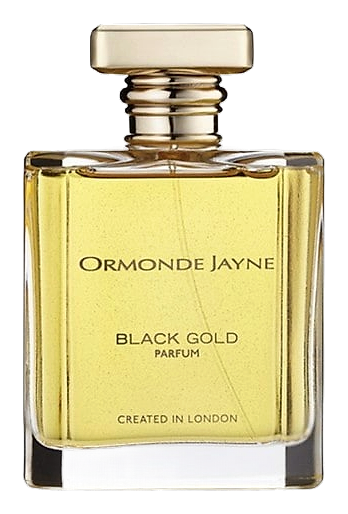
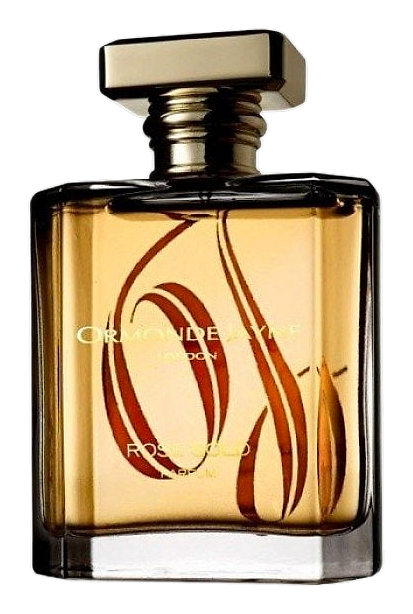
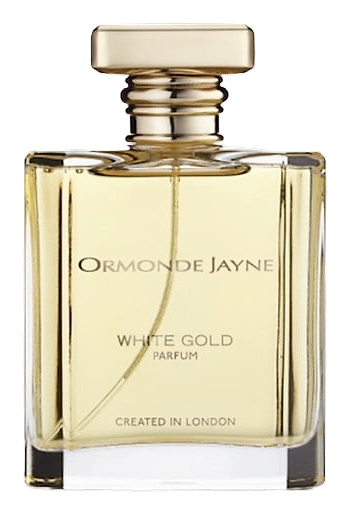
Ormonde Jayne’s visual language mirrors its olfactory restraint. Bottles feature clean, rectangular silhouettes with subtle curvature, allowing the perfume to sit within a simple yet elegant frame. The glass is often clear, showcasing the liquid’s natural hue, while the caps are finished in brushed brass or matte black metal, lending a tactile contrast. Labels consist of a single line of serif type set in black ink, positioned centrally to avoid clutter. The brand’s colour palette leans toward muted earth tones—deep greens, warm browns, and soft greys—that echo the natural origins of its ingredients. Marketing imagery typically presents the fragrance alongside natural elements such as wood, stone, or foliage, reinforcing the connection between scent and source. In retail settings, the products are displayed on reclaimed wood plinths, further emphasizing sustainability. The overall aesthetic conveys a quiet confidence, inviting the consumer to focus on the perfume itself rather than on overt branding.
Philosophy
Ormonde Jayne approaches perfumery as a dialogue between place and material. Linda Pilkington describes the house’s vision as a commitment to “honour the story behind each ingredient,” a principle that guides every development stage. The brand prioritises transparency, often revealing the geographic origin of key components such as agarwood from Laos or tobacco from Cuba. It values restraint, favouring clear structures over excessive layering, which encourages the wearer to experience each note on its own terms. Sustainability informs sourcing decisions; the house works with certified farms and seeks out small‑scale producers who practice responsible harvesting. Creative freedom also plays a role: the team invites perfumers to explore unconventional pairings, yet always tests the result against the house’s aesthetic of quiet sophistication. This balance of curiosity and discipline defines Ormonde Jayne’s identity as a contemporary British fragrance house.
Key Milestones
2002
Ormonde Jayne launches its first fragrance, establishing a British niche perfume house.
2012
Release of Nawab of Oudh, the brand’s first major oud‑centric composition.
2015
Introduction of Nawab of Oudh Intensivo, expanding the house’s exploration of agarwood.
2017
Fortnum & Mason exclusive Jardin D’Ange debuts, marking a high‑profile collaboration.
2022
Montabaco Ivoire launches, featuring sustainably sourced Cuban tobacco.
2025
Nawaf Zaffran releases, highlighting rare saffron accords sourced from Iran.
At a Glance
Brand profile snapshot
Origin
United Kingdom
Founded
2002
Heritage
24
Years active
Collection
3
Fragrances released
Avg Rating
3.9
Community sentiment
Release Rhythm


