Geza Schön
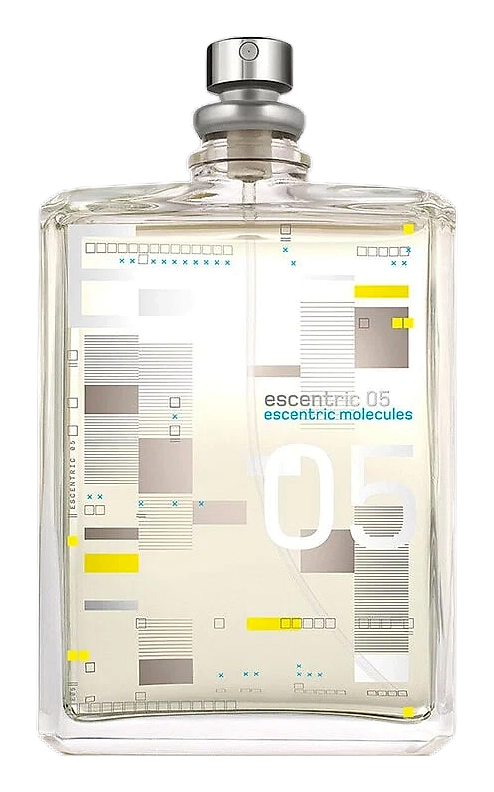
Geza Schön grew up in Kassel with his nose already leading the way. By 13, he had fallen hard for aromatics, and legend holds that he walked straight into the headquarters of Haarmann & Reimer in Holzminden as a teenager and somehow walked out with an apprenticeship. The legendary fragrance house, now part of Symrise, gave him formal technical training that most perfumers pick up only after years of industry work. He built his craft there, absorbing chemistry at a molecular level while many of his peers were still learning to blend. Schön spent years behind the scenes before stepping fully into view as co-founder of Escentric Molecules, the Berlin-based house he launched with creative director Paul White. When the brand turned 20, it had quietly rewritten the rules of what a fragrance collection could look like and how little it needed to rely on convention.
The hits
Notable creations
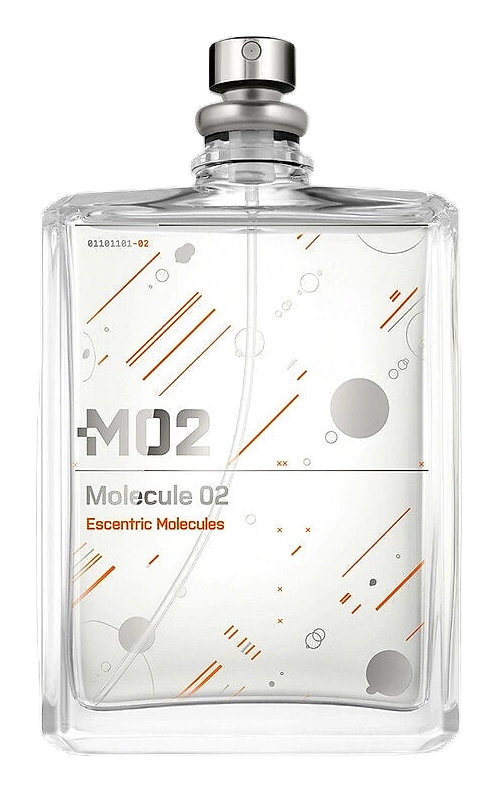
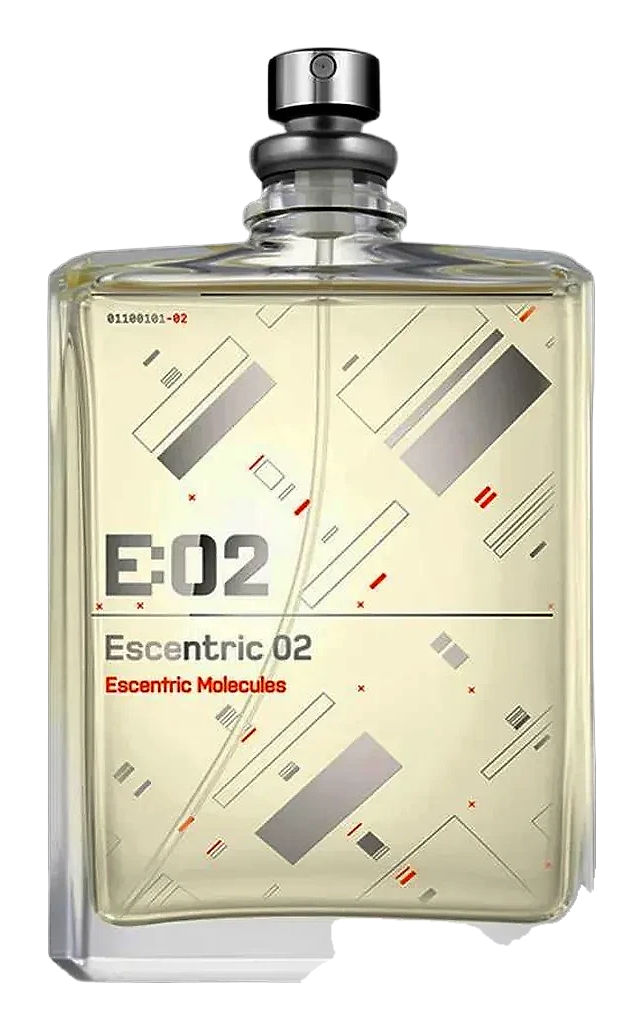
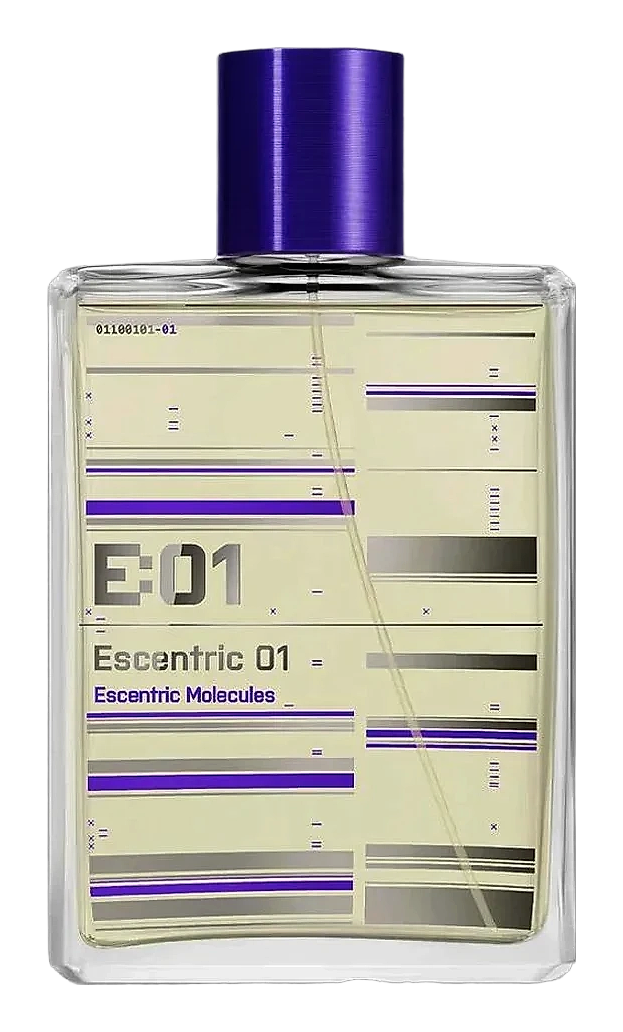

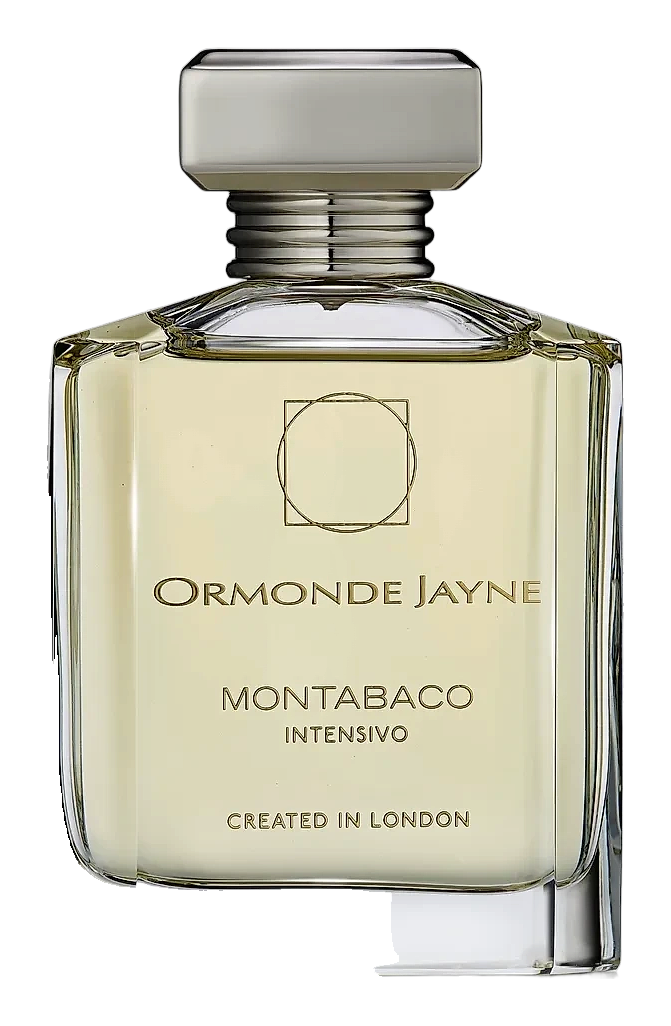
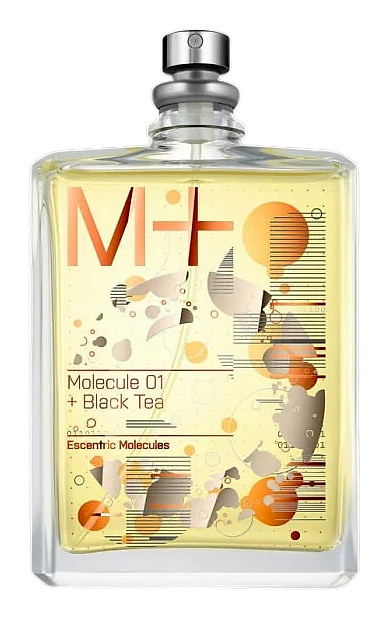
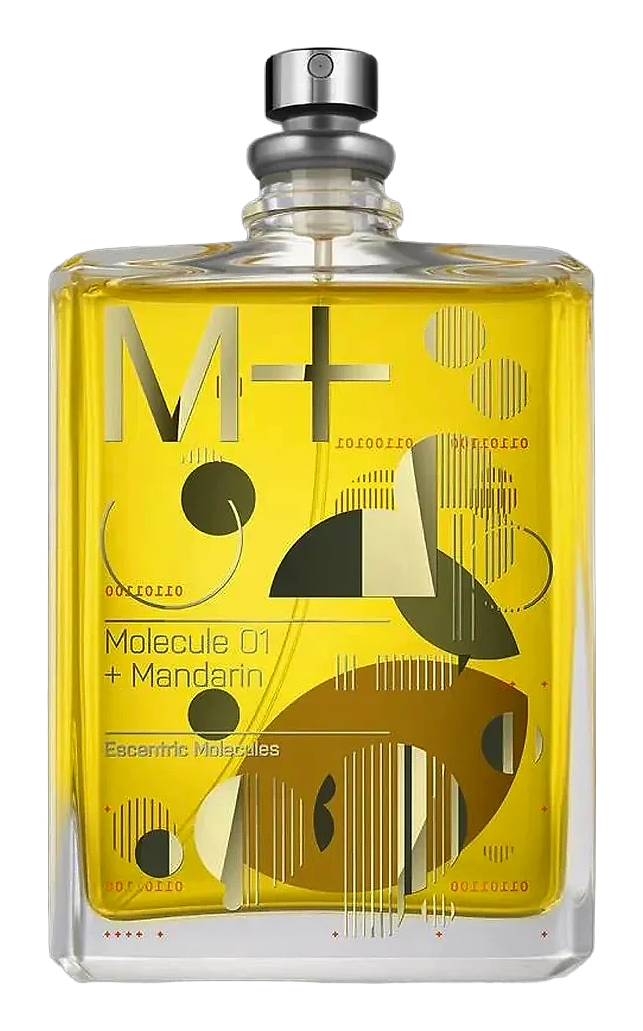

The signature
How Geza composes
Schön strips fragrance to its functional core. His signature move is constructing around a single powerful molecule like Iso E Super, then letting it behave without interference. This reductionist strategy extends to his brand aesthetic, which reads more like a chemistry lab than a perfume counter. He remains fluent in classical perfumery techniques while openly rejecting the idea that complexity equals quality. His work invites the wearer to pay attention, to notice what they normally tune out.
Philosophy
What drives Geza
Schön treats synthetic molecules not as props that amplify naturals but as the main event. He builds compositions around single potent ingredients, forcing wearers and the industry to confront something they had always ignored or dismissed. This approach is not minimalism for its own sake. He has described fragrance as both chemistry and art, and he refuses to separate the two. The result is work that insists on asking what perfume is actually for, and who gets to decide what it should smell like.
In the same league