Heritage
A house, in its own words
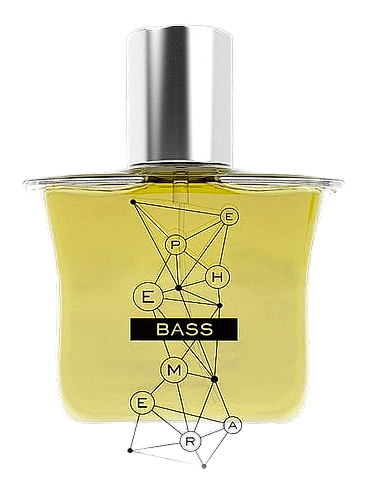
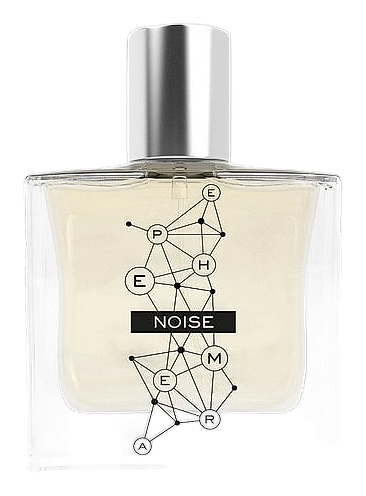
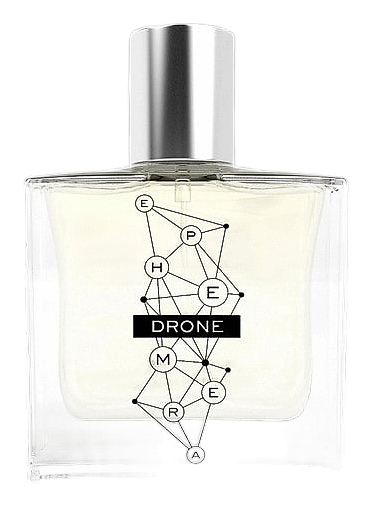
Unsound Productions launched the Unsound Festival in Krakow in 2007, establishing itself as a platform for experimental electronic music, noise, and interdisciplinary art. The festival gained recognition for programming that crossed genre boundaries and engaged with visual art, film, and performance. The decision to extend into fragrance emerged from the festival's broader interest in sensory experience and cross-modal perception. The Ephemera project first materialized in 2014 during Unsound New York, an offshoot of the main festival. Geza Schoen, a Berlin-based perfumer known for his work with Escentric Molecules, served as the nose for the collaboration. According to reporting on the project, Schoen interviewed three musicians associated with the festival about their earliest olfactory memories, then constructed fragrances inspired by those recollections. This methodology distinguished the project from conventional fragrance development. The three resulting compositions, Drone, Bass, and Noise, were released in 2015. The names reflected the sonic concepts the fragrances were meant to evoke rather than their actual olfactory profiles. Unsound continued presenting Ephemera at subsequent festival editions, treating the fragrances as performance objects that could be experienced alongside live music. The project remained relatively niche, distributed primarily through festival events and select specialty retailers rather than mainstream perfume channels. Ephemera operates from the premise that sensory experiences are fundamentally interconnected. The project investigates synaesthesia, the phenomenon where stimulation of one sensory pathway leads to automatic experiences in another, by attempting to translate sound into scent. This is not metaphor. Schoen and the Unsound team approached the question literally: what would electronic music smell like if it were a fragrance? The answer required abandoning conventional fragrance development in favor of a more conceptual methodology. Each fragrance in the collection emerged from conversations with specific musicians rather than from a perfumer's independent vision. Schoen asked about formative scent memories, then built compositions that resonated with those personal histories while also attempting to capture sonic qualities associated with each musician's work. The result was three fragrances that served as olfactory portraits rather than standalone products. The brand philosophy rejects the commercial logic of mainstream perfumery, which typically segments scents into categories like floral, woody, or fresh and targets demographic profiles. Ephemera instead treats fragrance as an artistic medium, similar to how certain contemporary artists use installation, video, or performance. The project's website directly poses the question that animates its practice: what does sound smell like? This framing positions the fragrances as research outcomes rather than consumer goods, inviting consideration of sensory perception rather than purchase decisions.