The Story
Why it exists.
The beginning
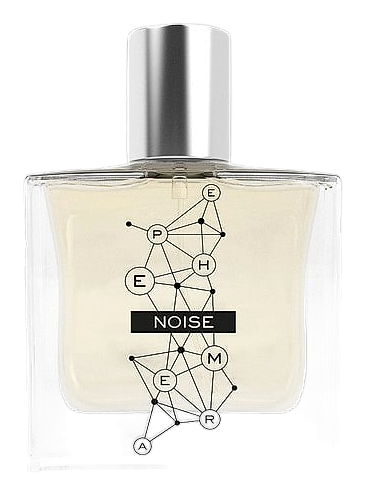
Geza Schön designed Noise as a direct translation of a Ben Frost synthesizer composition. The brief was specific: what would this particular piece of music smell like as a fragrance? The result is a fragrance that doesn't reference music metaphorically. It attempts actual translation, taking musical concepts and finding their olfactory equivalents. Noise exists at the exact intersection where synthesis becomes sensation, inviting wearers to experience sound through scent in a way that feels both intellectual and visceral. The approach is literal and direct, with Schön building the composition around the sonic elements themselves rather than metaphorical associations.
The aldehydic opening is the key. Aldehydes are synthetic by nature, laboratory-created molecules that smell like the idea of clean without being clean themselves. In Noise, they perform a particular trick: they smell like electricity, like the moment before a signal resolves. Black pepper amplifies this, adding a sharp spice that crackles rather than warms. Together, these materials create an opening that sounds harsher than it reads on skin, it's confrontational, but briefly. The real work of Noise happens once the aldehydes dissipate and the heart materials arrive.
The evolution
The aldehydes arrive first, that ozonic, almost electric quality that reads as synthetic and slightly metallic. Then black pepper cuts through, brief and sharp, before the heart opens. Saffron dominates the middle phase, warm and slightly leathery, supported by magnolia's creamy floral note. Orchid adds a ghost of green exoticism. This middle section is where Noise earns its name, there's a density here, a layered quality that suggests multiple frequencies playing simultaneously. The base is where it settles: labdanum's resinous warmth, cedarwood's dry woody character, and leather that is warm and worn rather than harsh. Amber binds everything together, giving the drydown a warmth that lingers close to skin for hours after the initial sillage fades.
Cultural impact
Noise occupies a specific corner of niche perfumery, the experimental, art-adjacent space where fragrance becomes research rather than retail. It represents a moment when perfume crossed into territory typically reserved for installations and performances. The fragrance attracts people who approach scent as an intellectual exercise as much as a sensory one. It doesn't compete with mainstream luxury perfumery, it operates in a parallel universe entirely. The aldehydes open with an electric crackle that reads as synthetic and metallic. Black pepper cuts through briefly, sharp and immediate, before the heart materials emerge.
The House
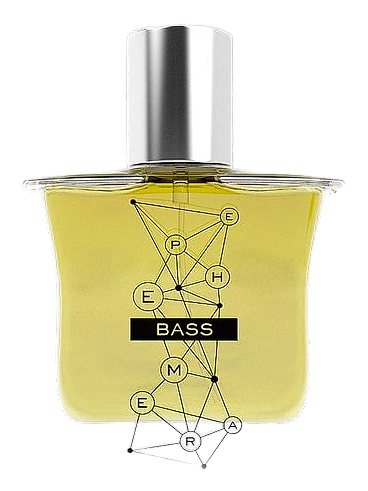
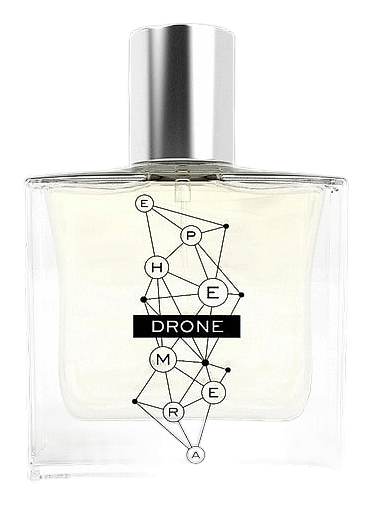
Ephemera by UnsoundEphemera is a niche fragrance line exploring the intersection of sound and scent. Berlin-based perfumer Geza Schoen created the collection in collaboration with Unsound Productions, the entity behind the Unsound Festival. The project operates as both a perfume line and a research laboratory dedicated to synaesthesia. Rather than conventional fragrance development, Schoen translated musical concepts into olfactory compositions by interviewing musicians about their earliest scent memories and building perfumes around their responses. This approach positioned Ephemera as an experimental art project rather than a traditional perfume brand. The collection centers on three compositions, each named after a sonic concept rather than a traditional fragrance family. The brand challenges the assumption that perfume must follow established olfactory categories, instead treating scent as a medium for sonic exploration.
The Creator
Geza SchönSchön strips fragrance to its functional core. His signature move is constructing around a single powerful molecule like Iso E Super, then letting it behave without interference.