
The Story
Why it exists.
The beginning
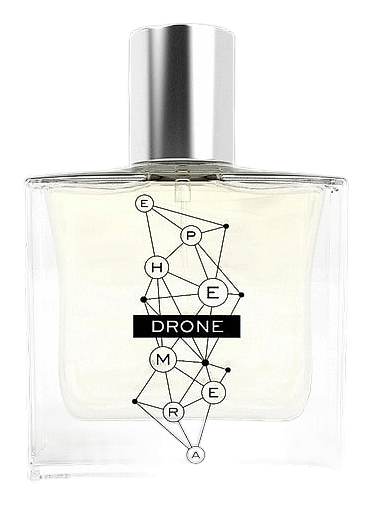
Tim Hecker composed the piece this fragrance translates. For Drone, the answer was cool, airy, and persistently green. Not a memory of anything specific. A translation of texture itself: the sustained low frequency of electronic sound, rendered in aldehydes and fir. The composition avoids nostalgia, offering instead a study in atmospheric texture. Aldehydes provide a luminous quality, opening with crisp clarity that persists throughout the wearing. Fir notes ground the airy top, delivering a coniferous depth that mirrors the drone's sustained electronic frequencies. It is a fragrance about presence rather than recall, about the physical sensation of sound made tangible through scent.
Aldehydes bring luminosity here, a particular effervescence. Paired with an air accord, something synthetic and transparent that opens the composition, they create a crystalline clarity. The lime sharpens briefly, then fir and juniper arrive to ground what could have stayed too ethereal. Hedione, a jasmine-precursor synthetic, adds that floral lift without sweetness. It's a deliberate composition. Nothing accidental. The balance between transparency and grounding notes feels carefully calibrated, each element given space to assert itself without overwhelming the whole.
The evolution
The opening arrives crisp, aldehydes spark against lime, the air accord holding everything at a slight height. Thirty minutes in, the ozonic quality softens as hedione emerges, jasmine-adjacent but cooler, drier. The fir announces itself as the true heart, green and coniferous, juniper threading through with juniper-berry sharpness. This is the drone itself: sustained, not shifting dramatically. Vetiver arrives earlier than expected, its earthy-smoky quality threading under the green notes by hour two. The cedar and patchouli anchor the base, but the drydown is defined by ambergris, a warm, slightly salty marine note that keeps the whole thing from going dark. Performance is very good, extending well beyond typical fragrance ranges. The next morning: a faint cedar-vetiver residue on fabric. No sweetness. Just green wood.
Cultural impact
Drone occupies a specific corner of experimental perfumery: cool, controlled, and deliberately synthetic. It presents an exploration of texture over sentiment, where transparency and sustained notes take precedence. The fragrance prioritizes atmospheric presence, using aldehydes and synthetic accords to create something that feels more like a study in sensation than a traditional scent. Green, aromatic, and sustained, it challenges expectations of what electronic music-inspired perfumery can deliver. The work exists comfortably outside conventional fragrance categories.
The House
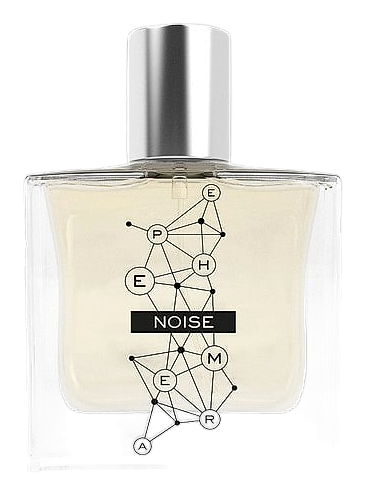
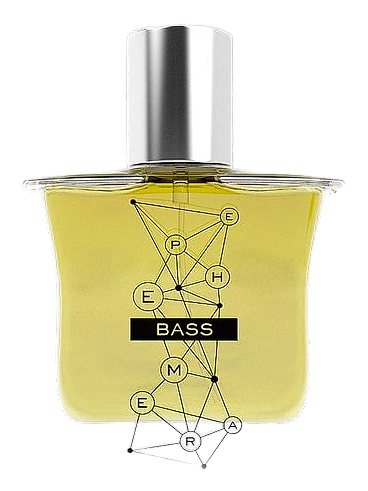
Ephemera by UnsoundEphemera is a niche fragrance line exploring the intersection of sound and scent. Berlin-based perfumer Geza Schoen created the collection in collaboration with Unsound Productions, the entity behind the Unsound Festival. The project operates as both a perfume line and a research laboratory dedicated to synaesthesia. Rather than conventional fragrance development, Schoen translated musical concepts into olfactory compositions by interviewing musicians about their earliest scent memories and building perfumes around their responses. This approach positioned Ephemera as an experimental art project rather than a traditional perfume brand. The collection centers on three compositions, each named after a sonic concept rather than a traditional fragrance family. The brand challenges the assumption that perfume must follow established olfactory categories, instead treating scent as a medium for sonic exploration.
The Creator
Geza SchönSchön strips fragrance to its functional core. His signature move is constructing around a single powerful molecule like Iso E Super, then letting it behave without interference.