
The Story
Why it exists.
The beginning
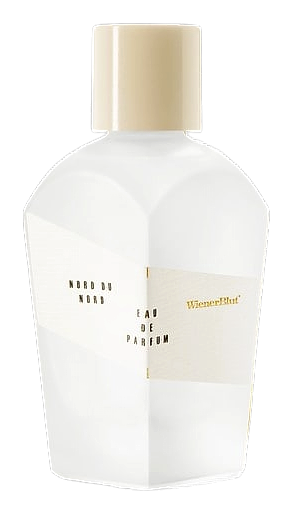
Nord du Nord came from the archives' silence. Pierre-Constantin Guéros built the composition around a particular tension: the sharpness of cold and the warmth of forest, the open sky and the needle-covered ground below. The air above the treeline, where everything becomes more itself. That's the territory this fragrance occupies, a place where the atmosphere itself seems to carry weight and clarity. The brand draws from Viennese heritage, translating historical formulas into contemporary bottles, and this one captures something specific about elevation and air quality. Where other fragrances attempt seasons or abstract moods, this one aims for a geography of sensation.
What makes Nord du Nord unusual is the way it refuses to choose between cold and warm. The ice accord and peppermint open with a clarity that reads almost clinical, sharp enough to cut. But as the top fades, the rock moss and alpine lichen introduce a different kind of clarity: mineral, green, slightly bitter. The kind of smell that lichen makes against cold stone. Eucalyptus bridges the two worlds, keeping the cold alive even as the coniferous base arrives. Cedarwood arrives last, warm and dry, but never fully replaces the sharpness. The fragrance holds both poles at once. That's the trick, and that's what makes it feel less like a perfume and more like a place you've been.
The evolution
The opening doesn't ease in. Ice accord and peppermint arrive together, bright and immediate, that first breath of cold air hitting the back of the throat. The mint softens and the heart takes over, a shift in register where rock moss and alpine lichen introduce something more mineral than cold. The green becomes slightly bitter, almost resinous, like lichen on cold stone. Eucalyptus threads through this middle phase, keeping the air alive with something that reads as both medicinal and fresh. Cedarwood and fir settle into the skin as the drydown arrives quietly, warm and close, wood that feels like it belongs to a forest below. The whole arc moves from that initial sharpness through a prolonged mineral heart before settling into something intimate and grounded.
Cultural impact
Nord du Nord has built a quiet following among those who want a fragrance that smells like a place, not a trend. The ice accord makes it distinctive, cold and sharp in a landscape where coniferous fragrances often lean toward warmth. There's something deliberate about the way this one refuses softness, insisting instead on clarity and a kind of austere beauty that feels increasingly rare.
The House
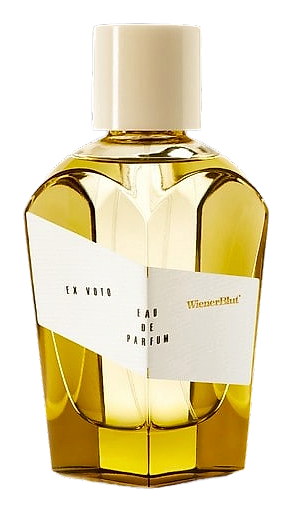
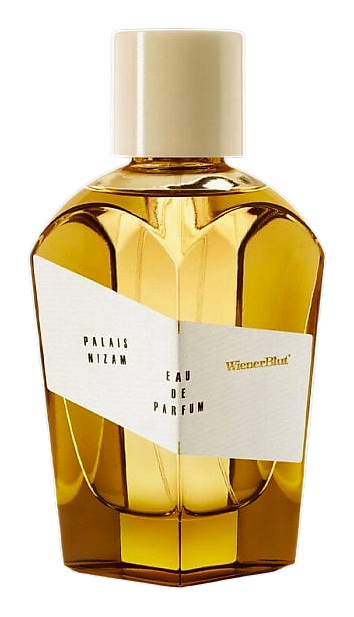
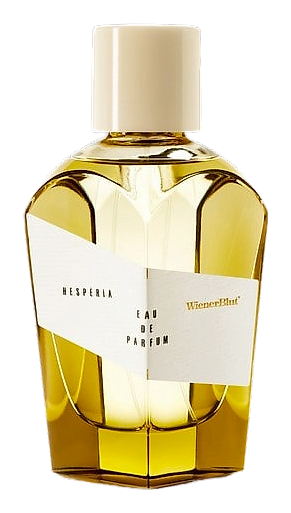
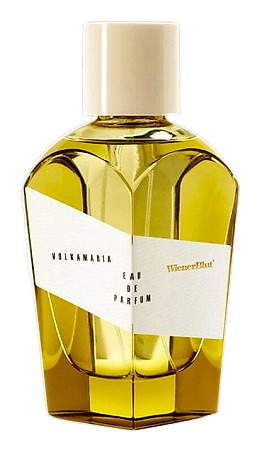
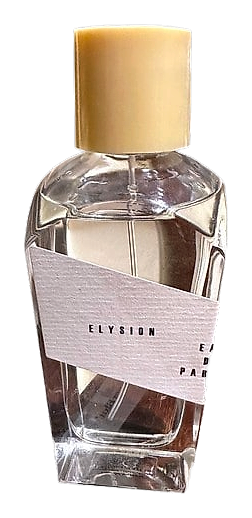
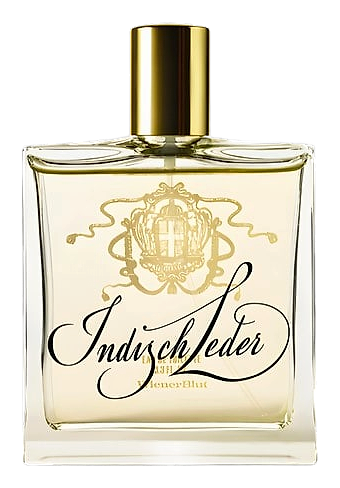
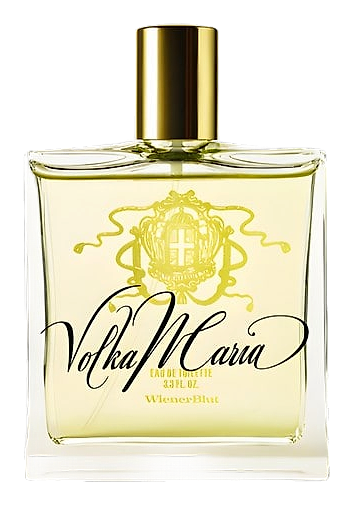
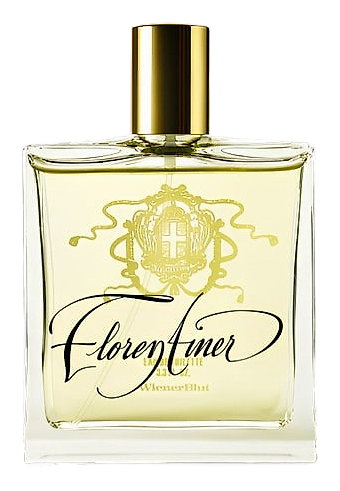
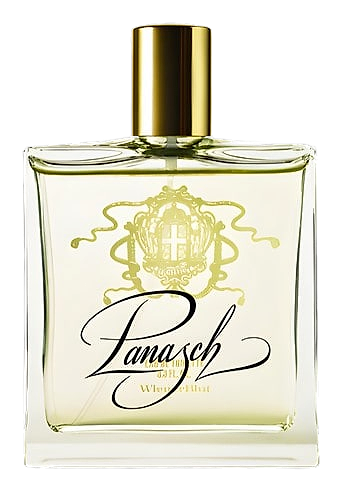
WienerBlutWienerBlut is an independent perfume house rooted in Vienna, Austria. Founded in 2009 by Alexander Lauber, the brand translates 19th‑century Viennese scent formulas into contemporary bottles. Each fragrance draws on historic recipes, archival advertisements and period‑specific ingredients. The house positions itself as a bridge between the past and today’s niche market, offering scents that feel like a quiet walk through a historic boulevard rather than a flash‑in‑the‑pan trend. WienerBlut’s catalogue includes Florentiner (2012), Indisch Leder (2012), Palais Nizam (2015) and the recent Elysion (2023), each anchored in a specific moment of Viennese culture.
The Creator
Pierre-Constantin GuérosGuéros’s style blends classic French structure with an adventurous use of modern synthetics. He often starts with a clear base—cedar, sandalwood or leather—then introduces unexpected accents such as metallic ionics, lab‑grown ambergris or rare resins from Madagascar.