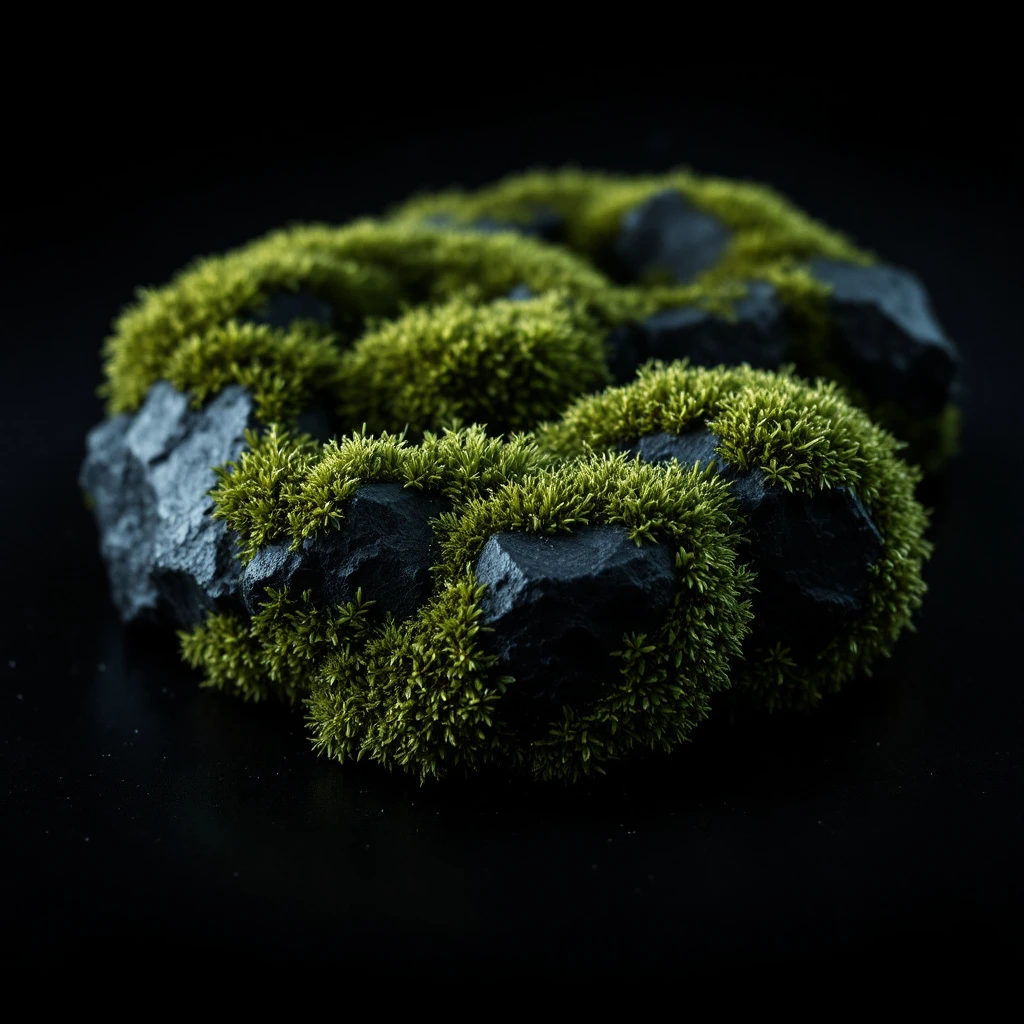
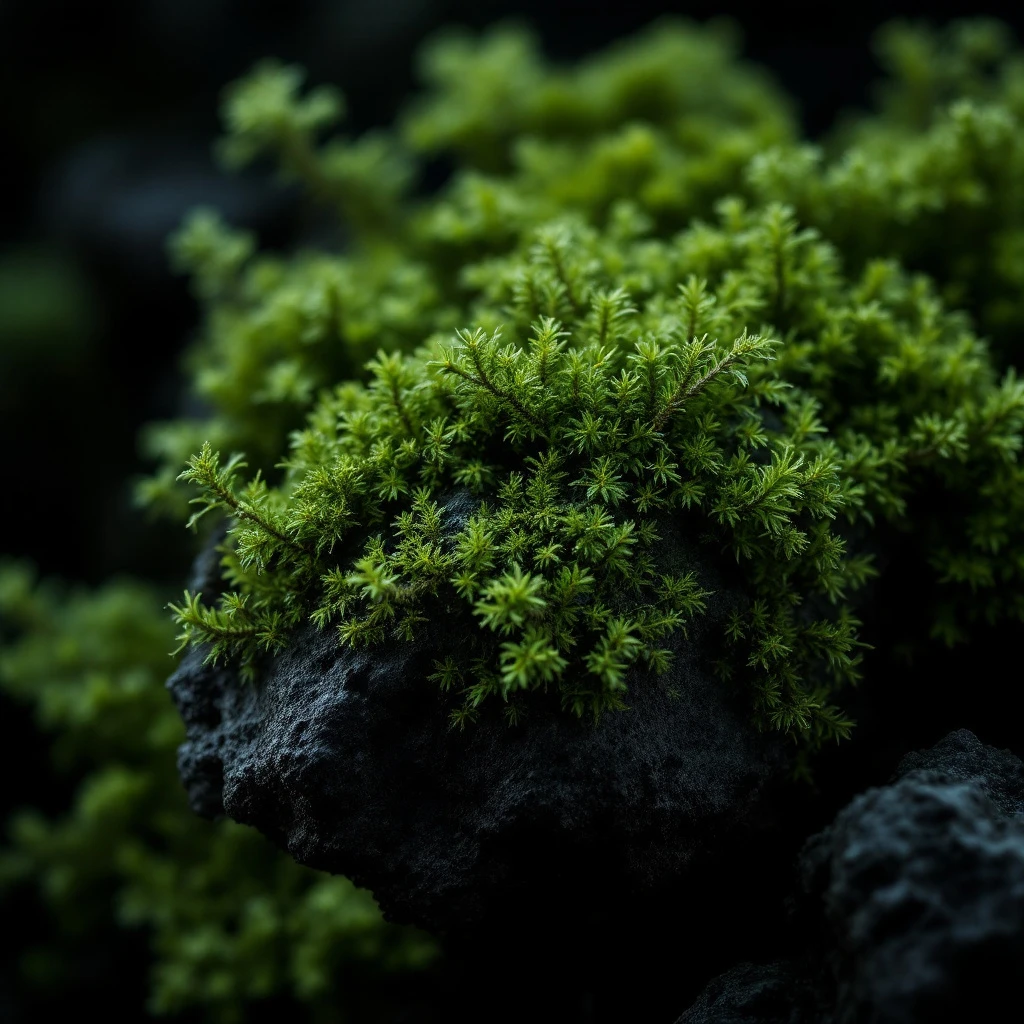
Alpine Lichen
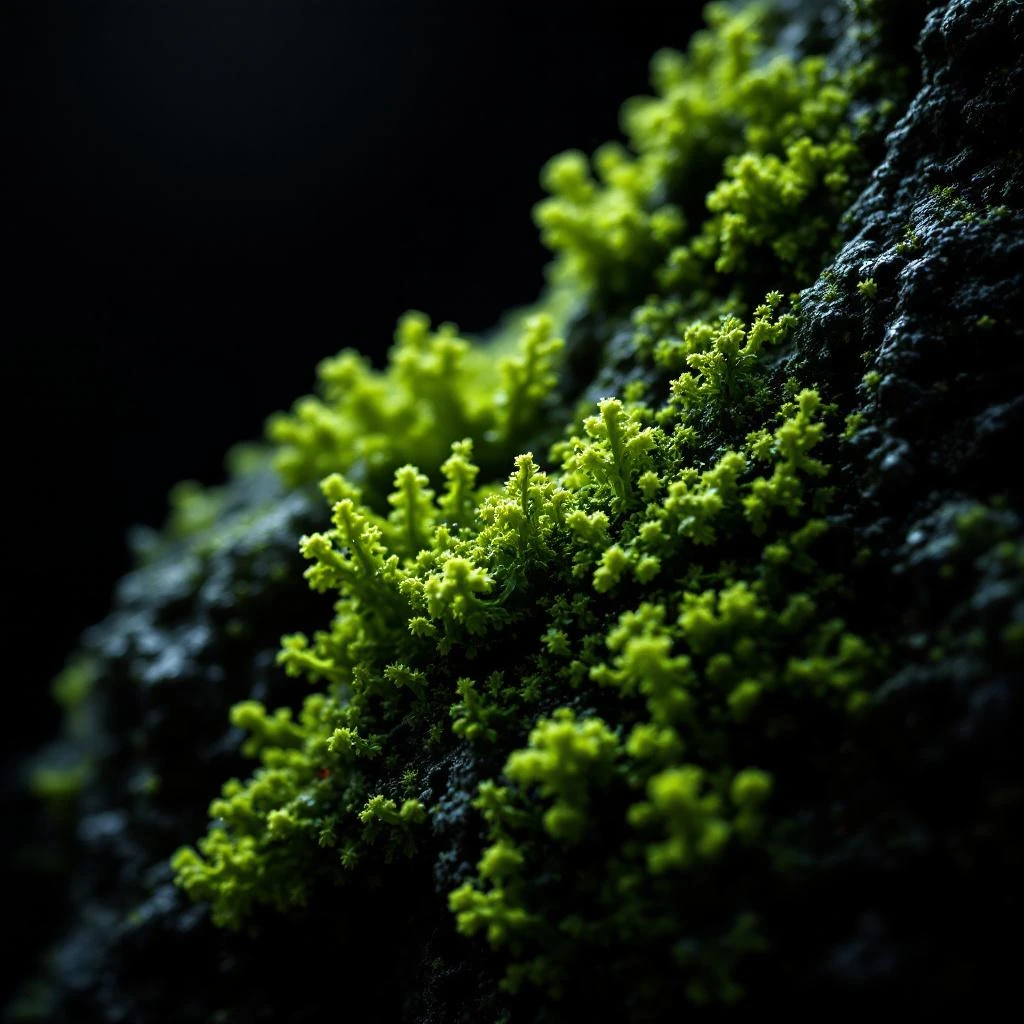
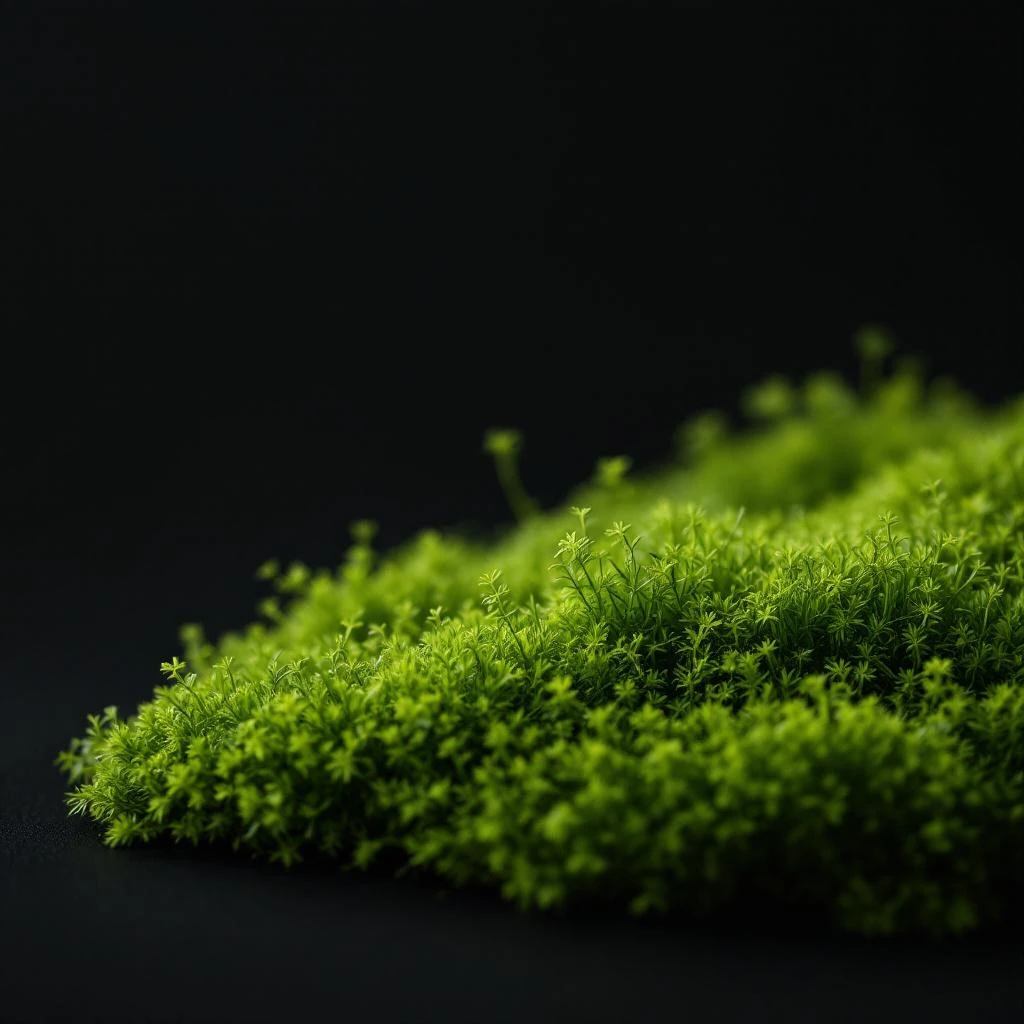
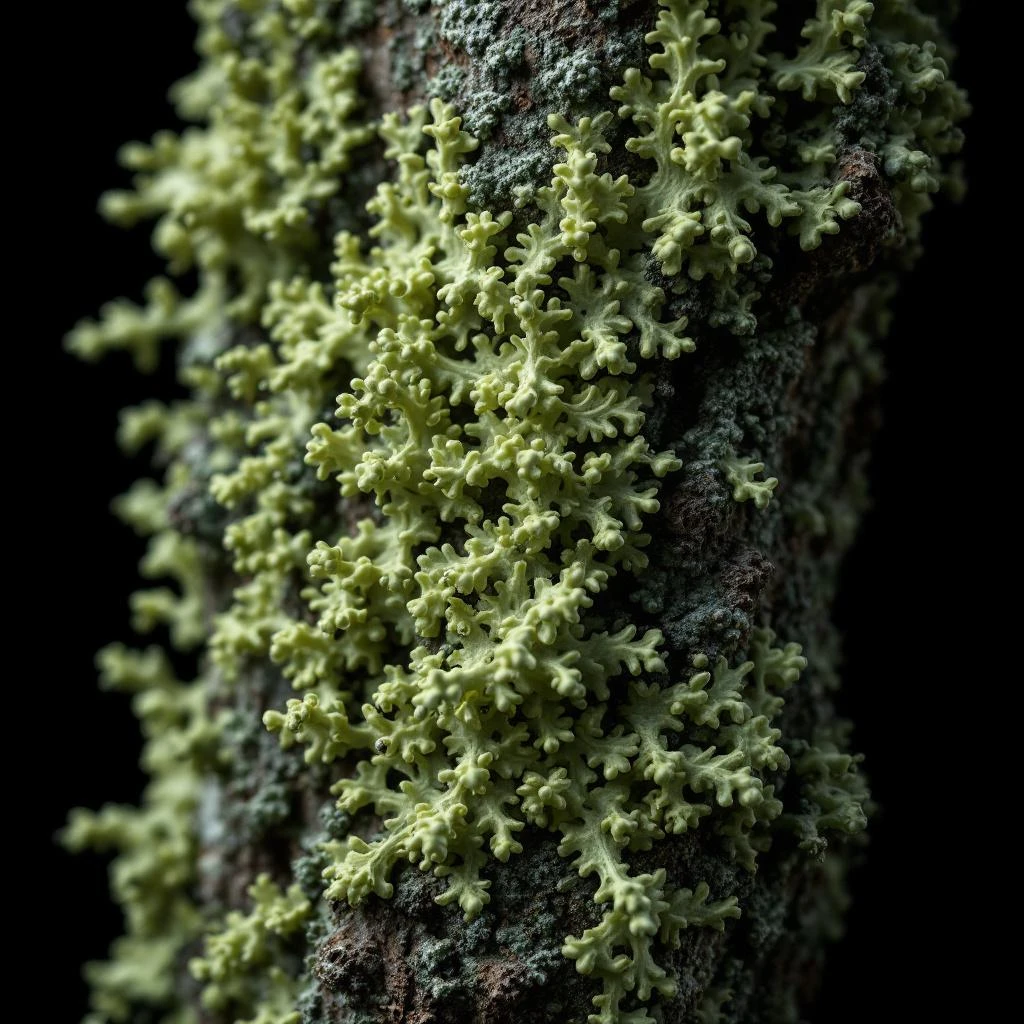
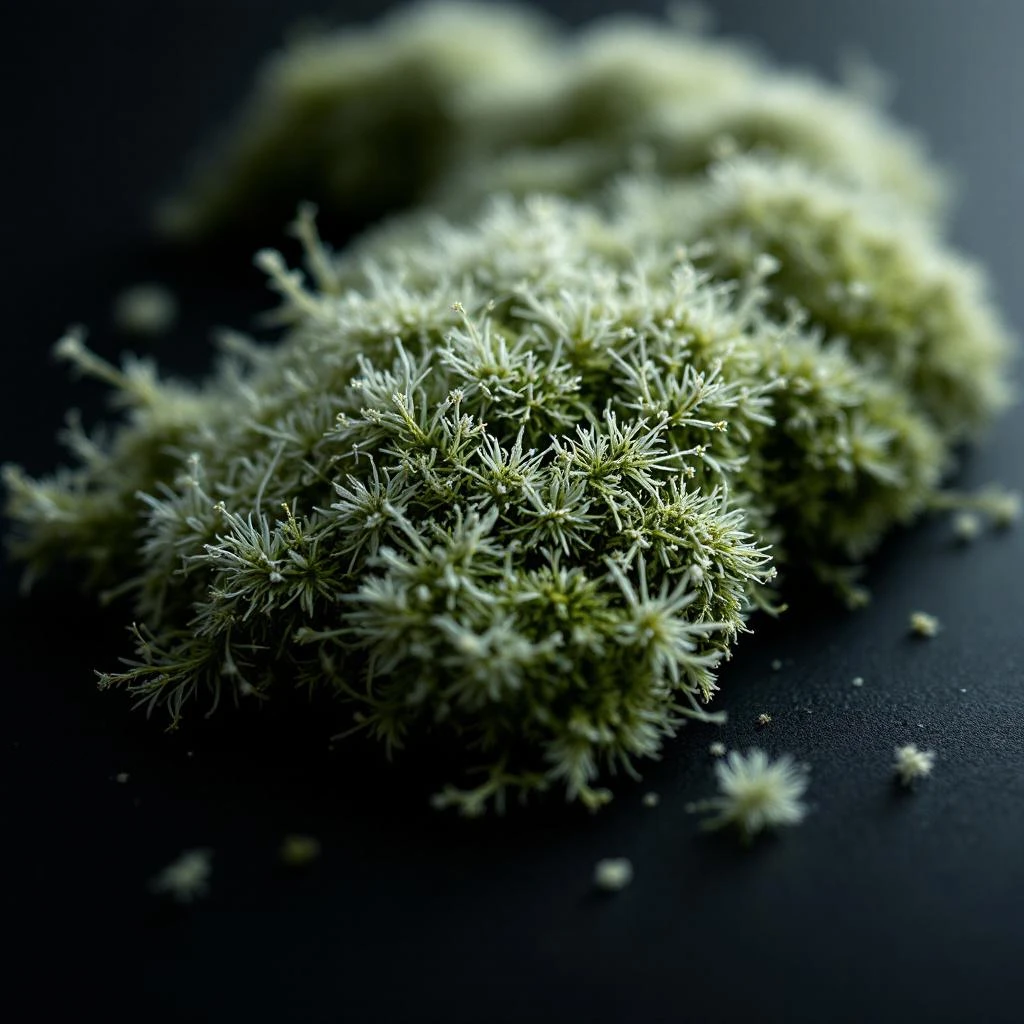
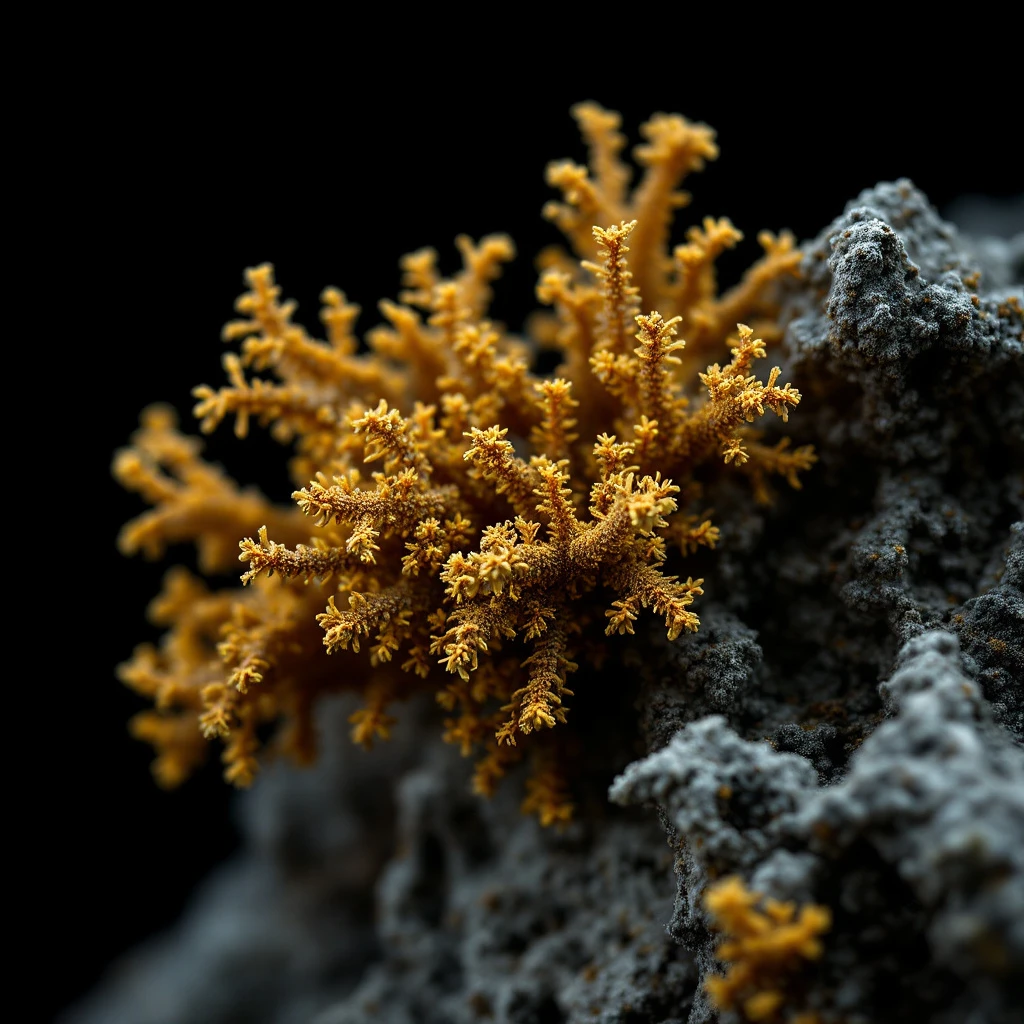
Alpine Lichen (Cladonia rangiferina) is a slow-growing lichen harvested from cold, high-altitude regions. Its tincture yields an earthy, mossy aroma prized for adding depth and fixative power to fragrances, evoking open tundra and alpine air.
Character
How it smells
Earth, moss, and the breath of northern mountains.
Reindeer lichen grows just 1-5 mm per year, meaning a visible patch may be decades old.
Pairs beautifully with
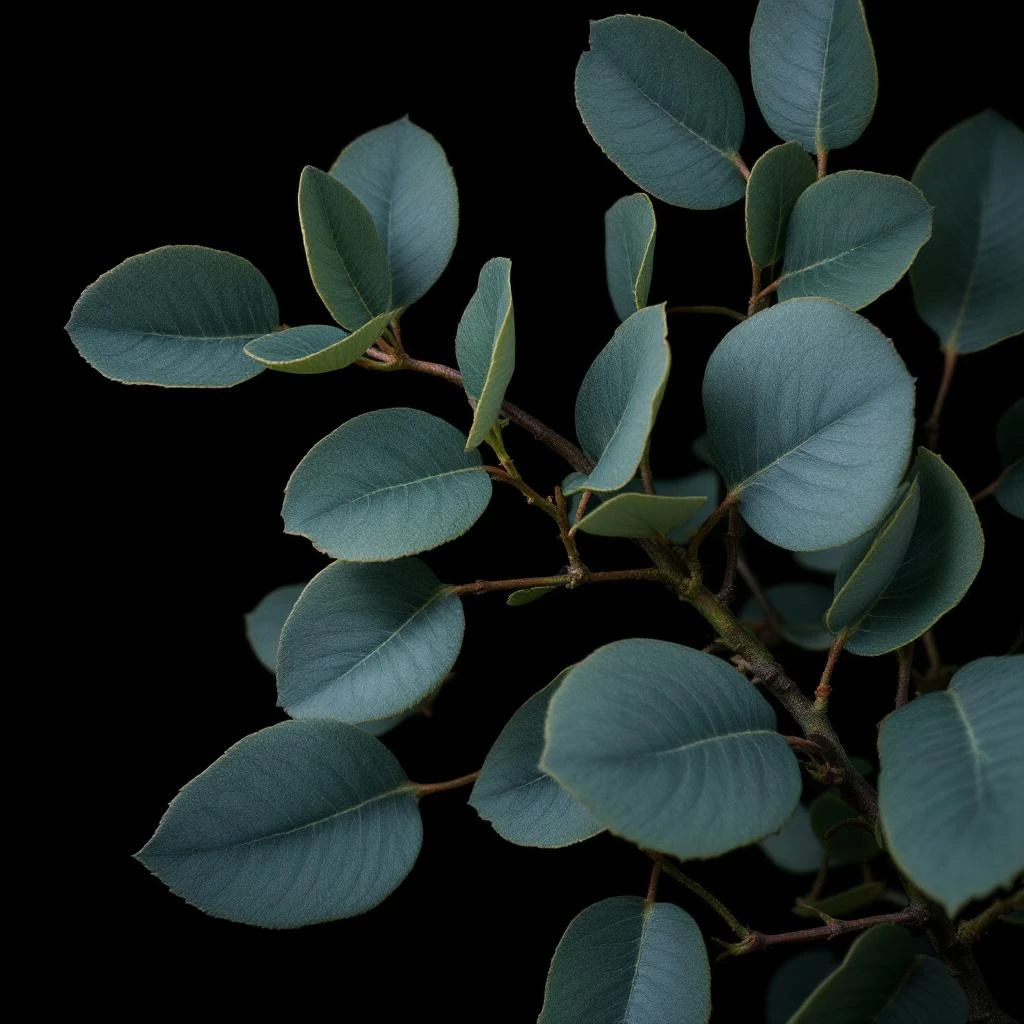
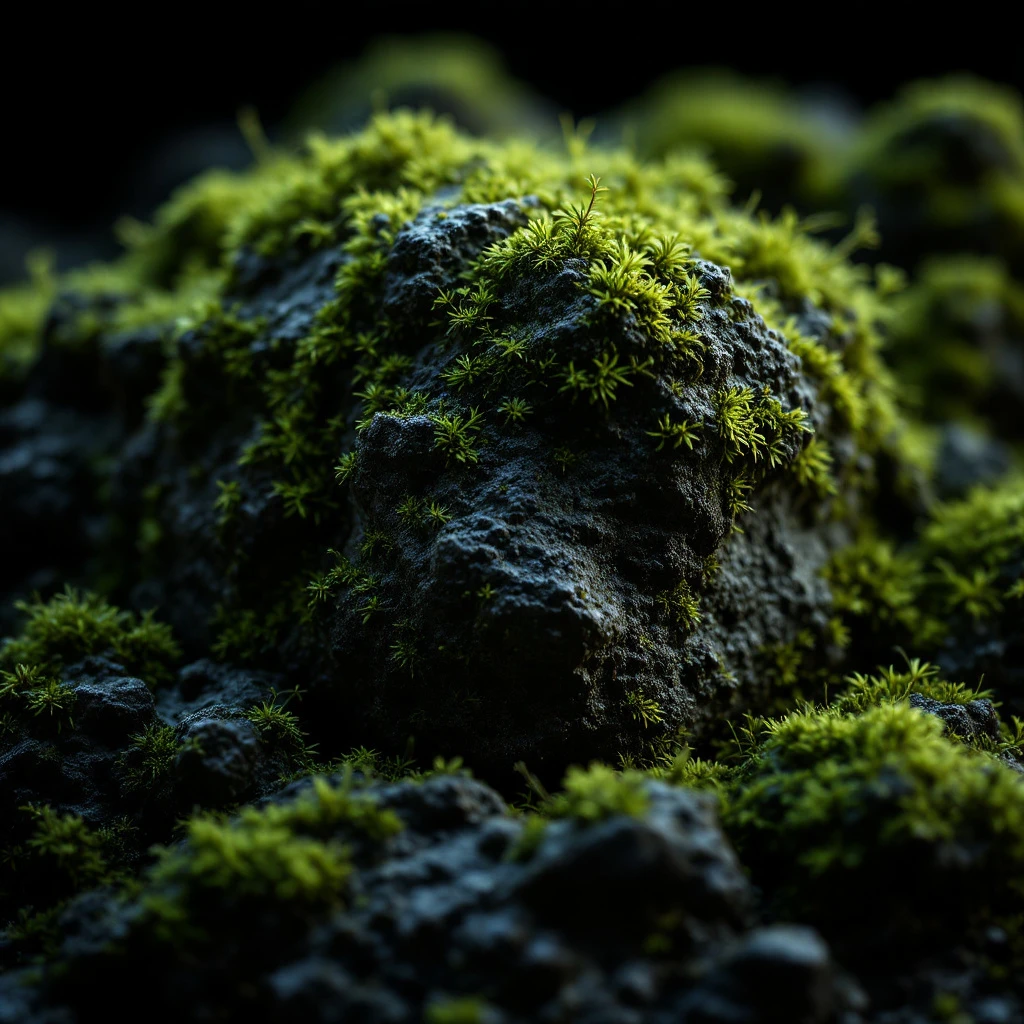

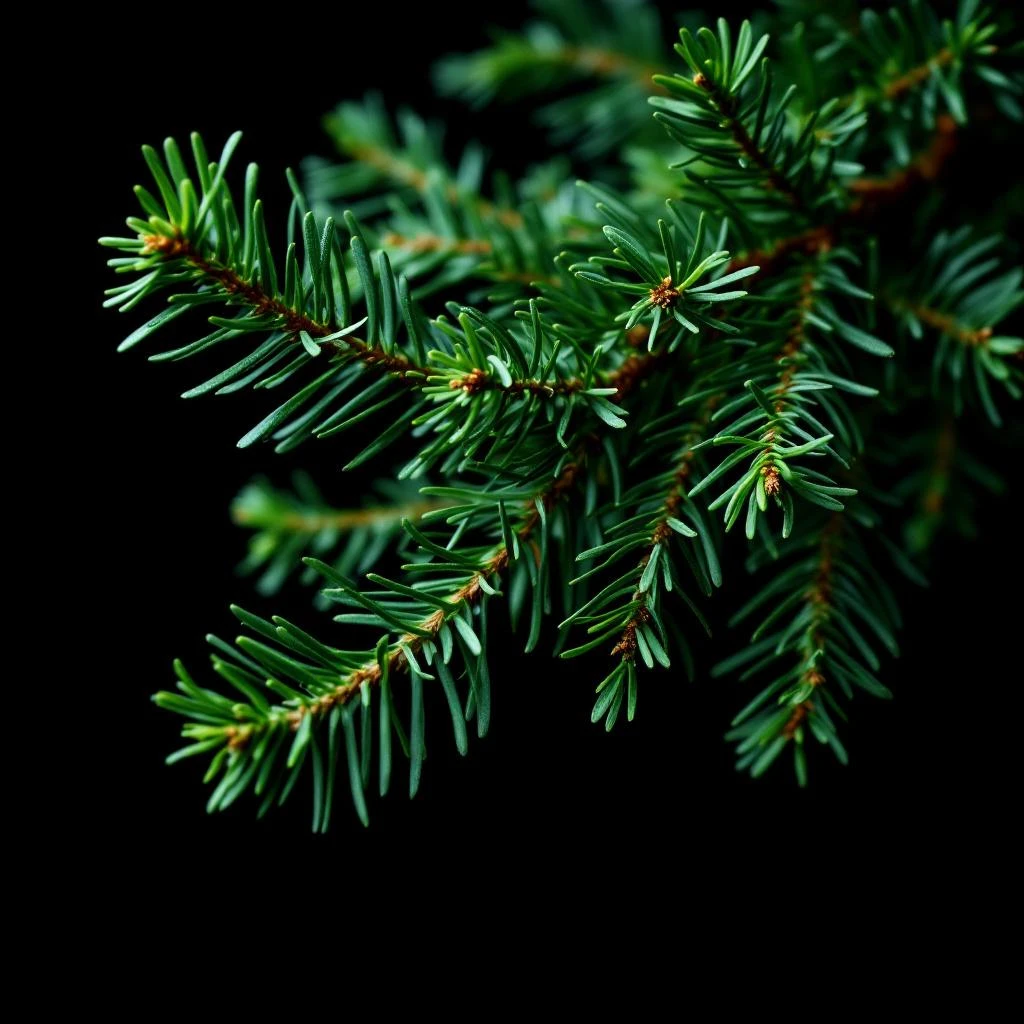
Origin
Norway
For centuries, peoples across Scandinavia, Scotland, and the Alps collected and used aromatic lichens in traditional preparations, long before perfumery adopted them. Nordic and Sami cultures recognised their preserving and fragrant qualities in folk remedies and ritual contexts. When modern perfumery turned to natural materials in the 19th century, lichen extracts became prized fixatives, prized for their ability to extend the longevity of lighter top notes.
Though oakmoss dominated commercial lichen perfumery, Alpine Lichen occupied a quieter niche, appreciated for its distinctly northern character. The 1997 harvest data showing 1900 tonnes of related lichen species processed annually under names like cedarmoss illustrates the scale of industrial demand that developed around these modest organisms. Today, synthetic alternatives and regulatory restrictions have reshaped the landscape, yet natural Alpine Lichen tincture retains an irreplaceable complexity that no laboratory copy fully captures.
It remains a reminder that some of perfumery's most evocative materials grow at the margins, slow and patient, shaped by cold winds and thin soil.
Wears it best
Fragrances featuring Alpine Lichen
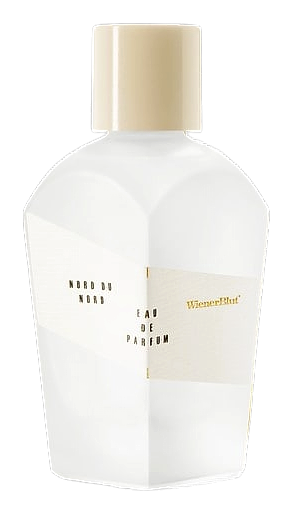
Brands
Brands known for Alpine Lichen
Good to know
Questions, answered
The essentials on Alpine Lichen in perfumery: how it smells, where it comes from, and how it behaves on skin.
What does Alpine Lichen smell like?
Alpine Lichen tincture smells earthy and mossy with a subtle animalic undertone. It carries faint coniferous and camphoraceous edges, reminiscent of cold northern air over open tundra.
What is Alpine Lichen in perfumery?
It is a lichen (Cladonia rangiferina) harvested from high-altitude and subarctic regions. Perfumers macerate it in alcohol to produce a tincture used as a fixative and accords builder.
How long does lichen tincturing take?
Lichen tinctures require extended maceration, typically several months. Some practitioners report optimal results from tinctures aged six months or longer, as the aromatic profile deepens over time.
Why are lichen extracts regulated in perfumery?
Certain lichen species contain atranol and chloroatranol, compounds associated with skin sensitisation. IFRA standards restrict their concentration in finished fragrance products to protect consumer safety.
Is Alpine Lichen the same as Oakmoss?
No. Both are lichens, but Oakmoss (Evernia prunastri) grows on tree bark while Alpine Lichen (Cladonia rangiferina) grows on soil and rocks in open, treeless terrain. Their scent profiles and chemical profiles differ.
Where does Alpine Lichen grow?
Cladonia rangiferina thrives in cold, acidic environments across Scandinavia, Scotland, Canada, and Alpine Europe. It grows directly on soil and rocks in heathlands, tundra, and alpine meadows.
Can Alpine Lichen be synthetically replicated?
Partially. Synthetic substitutes exist, but they lack the full complexity of a genuine tincture. Natural Alpine Lichen carries subtle topographic nuance that artificial materials rarely achieve.
What fragrance families use Alpine Lichen?
It appears most often in chypre, fougere, and aromatic woody compositions. Its fixative strength makes it useful in base accords where depth and longevity are priorities.