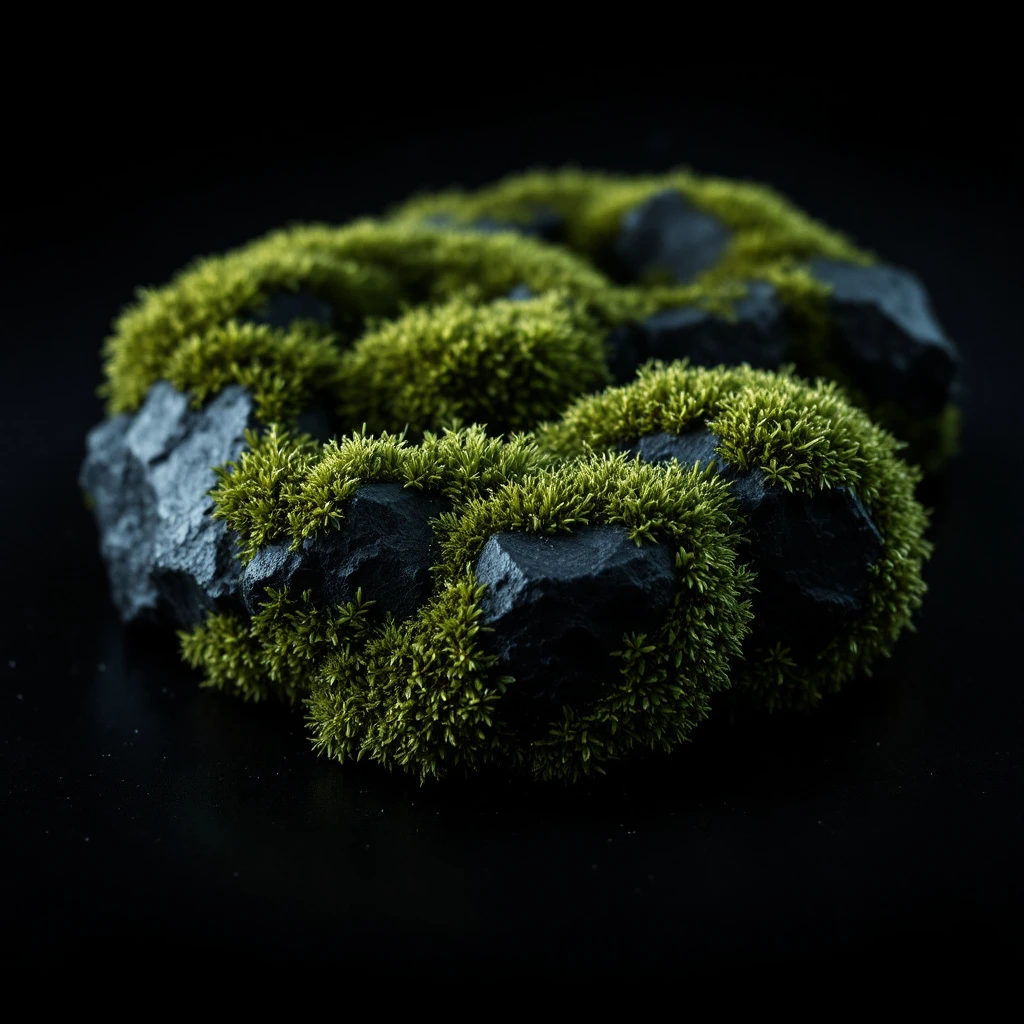
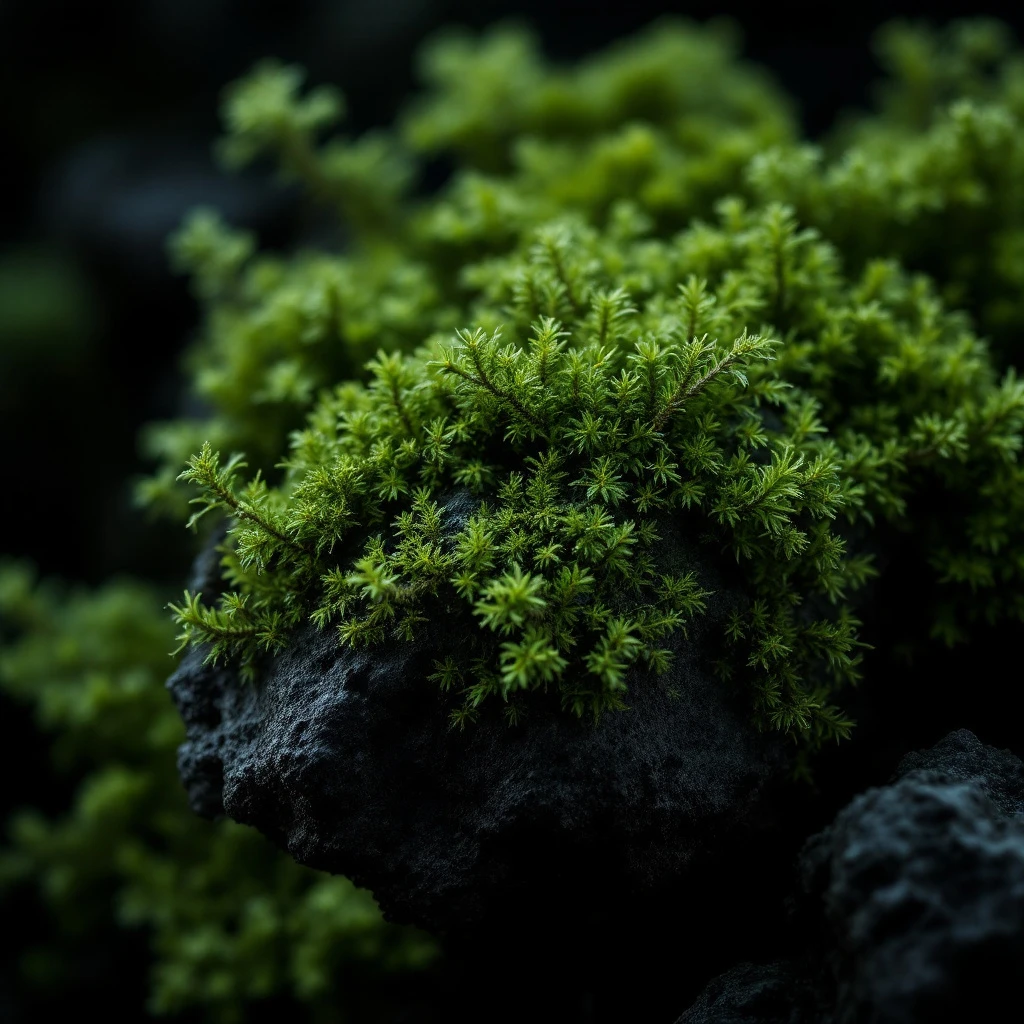
Rock Moss
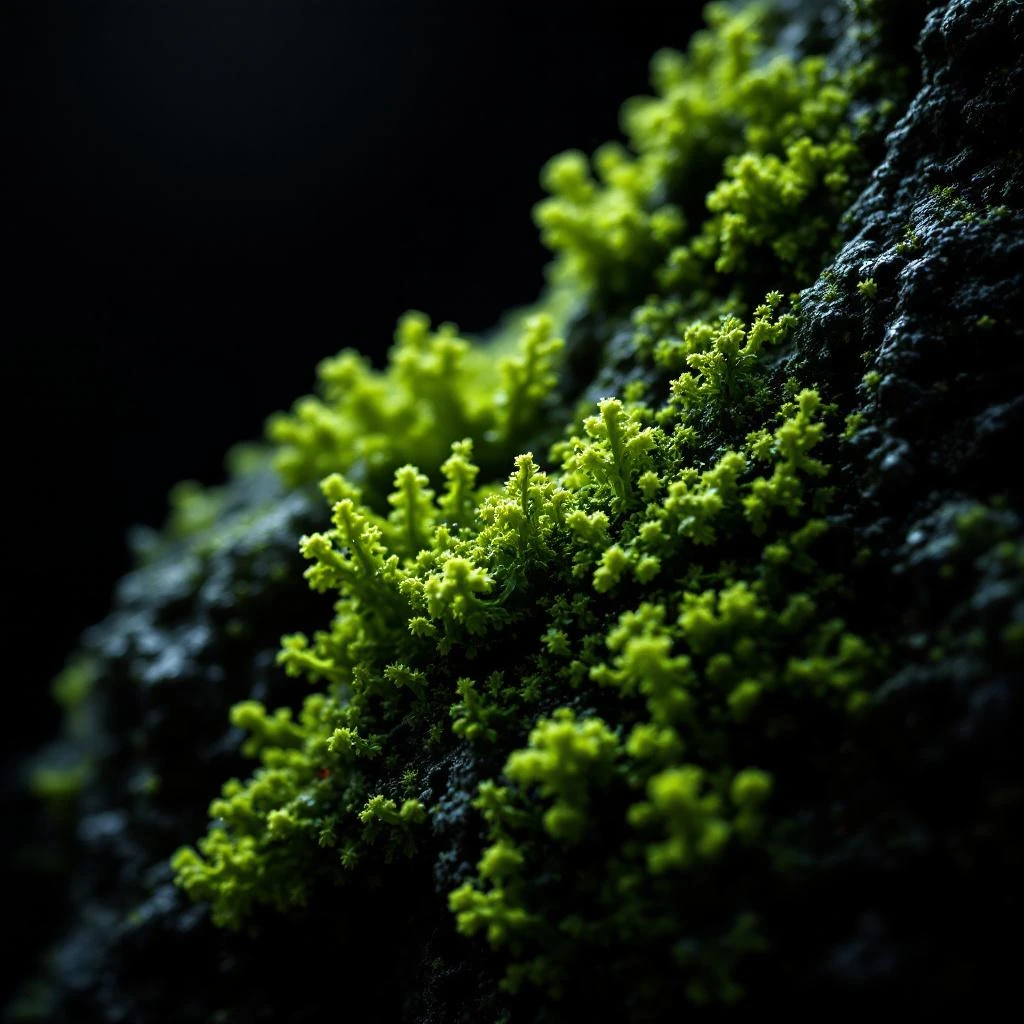
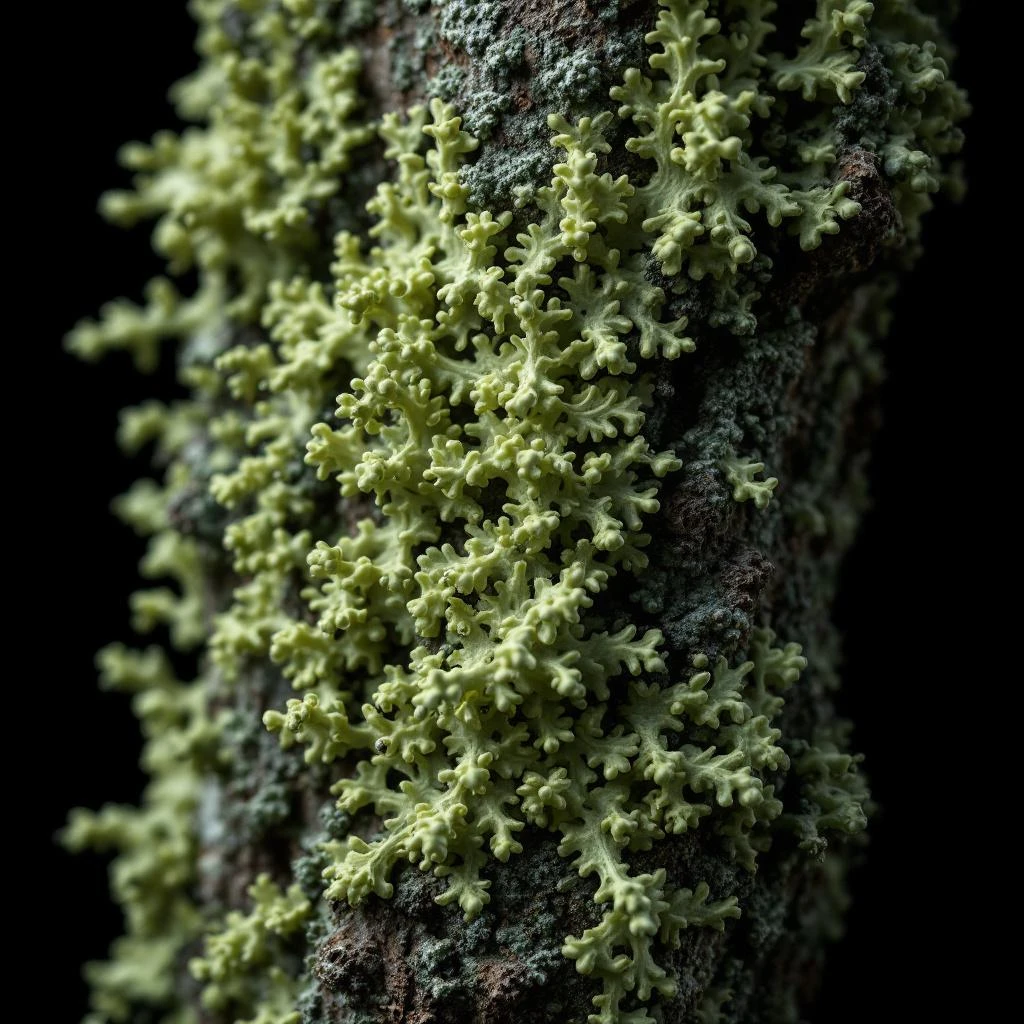
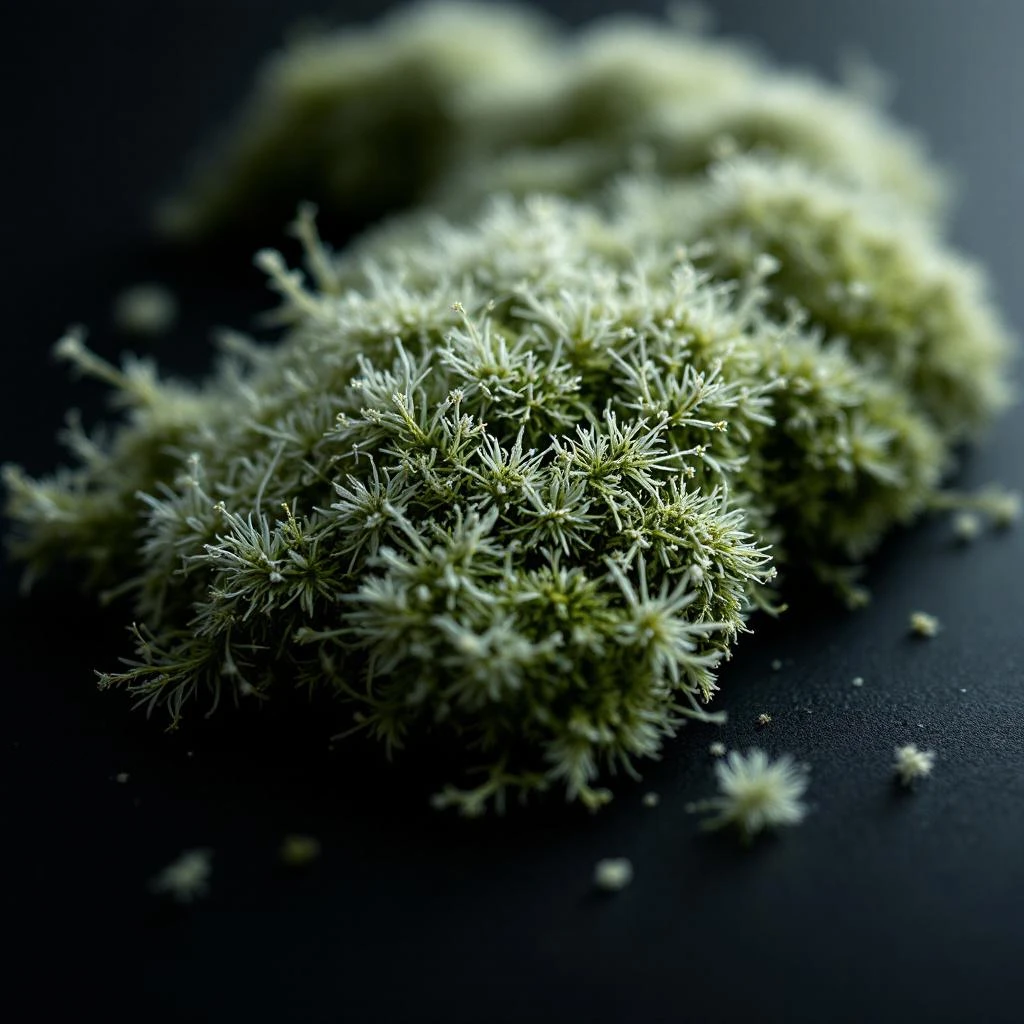
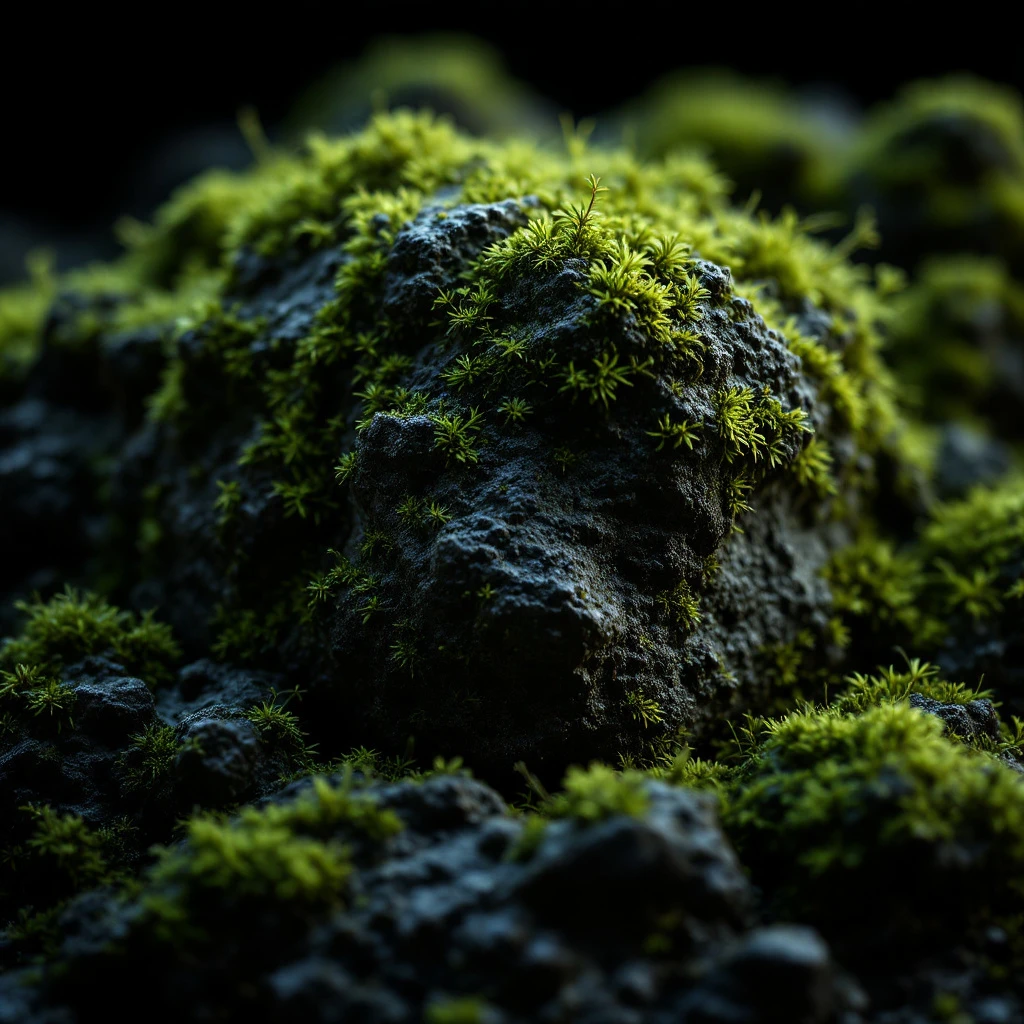
Rock moss is a lichen that grows clinging to oak bark, delivering an earthy, forest-floor aroma with subtle sweet and woody facets. A cornerstone of chypre fragrances since the early 20th century.
Character
How it smells
The ancient fixative that built modern perfumery.
Despite its name, rock moss is technically a lichen—a symbiotic organism between fungi and algae—not a true moss.
Pairs beautifully with




Origin
France
Rock moss became indispensable to Western perfumery in the early 20th century when François Coty introduced it as a defining element in the chypre family, particularly in his landmark 1917 fragrance of the same name. Before commercial perfumery adopted it, the lichen appeared in folk remedies and traditional preparations across Europe. The species Evernia prunastri thrives on oak trees throughout France, particularly the Grasse region, as well as in Morocco and Eastern European forests.
Chanel cemented rock moss as a perfumery essential when they featured it prominently in Chanel No 19 launched in 1970. Despite regulatory restrictions on its natural form due to allergen concerns, rock moss remains one of the most recognizable base notes in fine fragrance, prized for the depth and staying power it brings to compositions spanning from classic chypres to modern woody florals.
Wears it best
Fragrances featuring Rock Moss
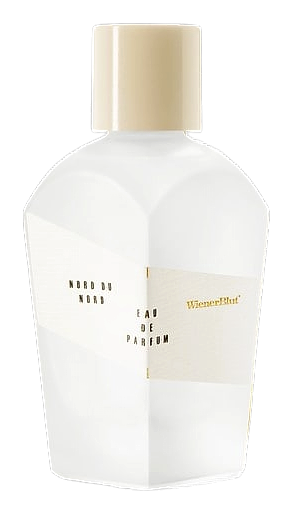
Brands
Brands known for Rock Moss
Good to know
Questions, answered
The essentials on Rock Moss in perfumery: how it smells, where it comes from, and how it behaves on skin.
What exactly is rock moss in perfumery?
Rock moss is a lichen (Evernia prunastri) that grows on oak trees, not a true moss. It provides earthy, forest-like aroma compounds used as fixatives in fragrance compositions.
What does rock moss smell like?
Rock moss delivers an earthy, damp-forest aroma with notes of wet bark and subtle sweet undertones. It reads as grounding and natural in the base of fragrance pyramids.
Why did IFRA restrict rock moss in perfume?
Natural rock moss contains atranol and chloroatranol, compounds identified as skin allergens. The 2001 IFRA guidelines limit its concentration in finished products to protect consumers.
What fragrance families use rock moss most?
Chypre is the primary family anchored by rock moss, along with fougère and many woody or aromatic fragrances. It appears in over 80% of classic chypre formulations.
Can synthetic alternatives replace rock moss?
Synthetics like evernyl and tree moss absolute attempt to mimic rock moss, but perfumers consider the natural version irreplaceable for its complex, layered character.
Which perfumes famously feature rock moss?
Coty Chypre (1917), Chanel No 19 (1970), Clinique Aromatics Elixir (1972), and Guerlain Mitsouko showcase rock moss as a defining ingredient.
Where does commercial rock moss come from?
France produces the highest-quality rock moss, particularly from the Grasse region and Auvergne mountains. Morocco and former Yugoslavian states also harvest significant quantities.
Does rock moss have historical uses beyond perfumery?
Pre-perfumery applications included folk remedies for wound healing and respiratory conditions. Native European communities also used lichen extracts for dyeing textiles.