The Story
Why it exists.
The beginning
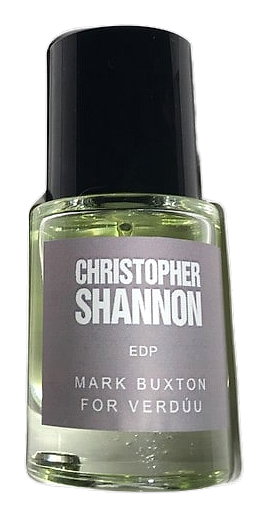
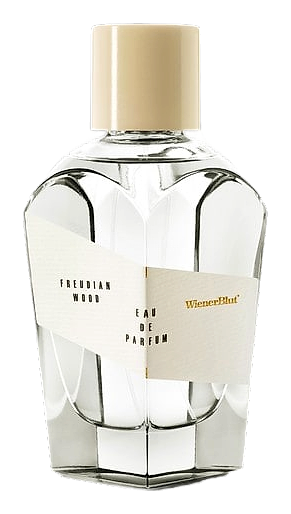
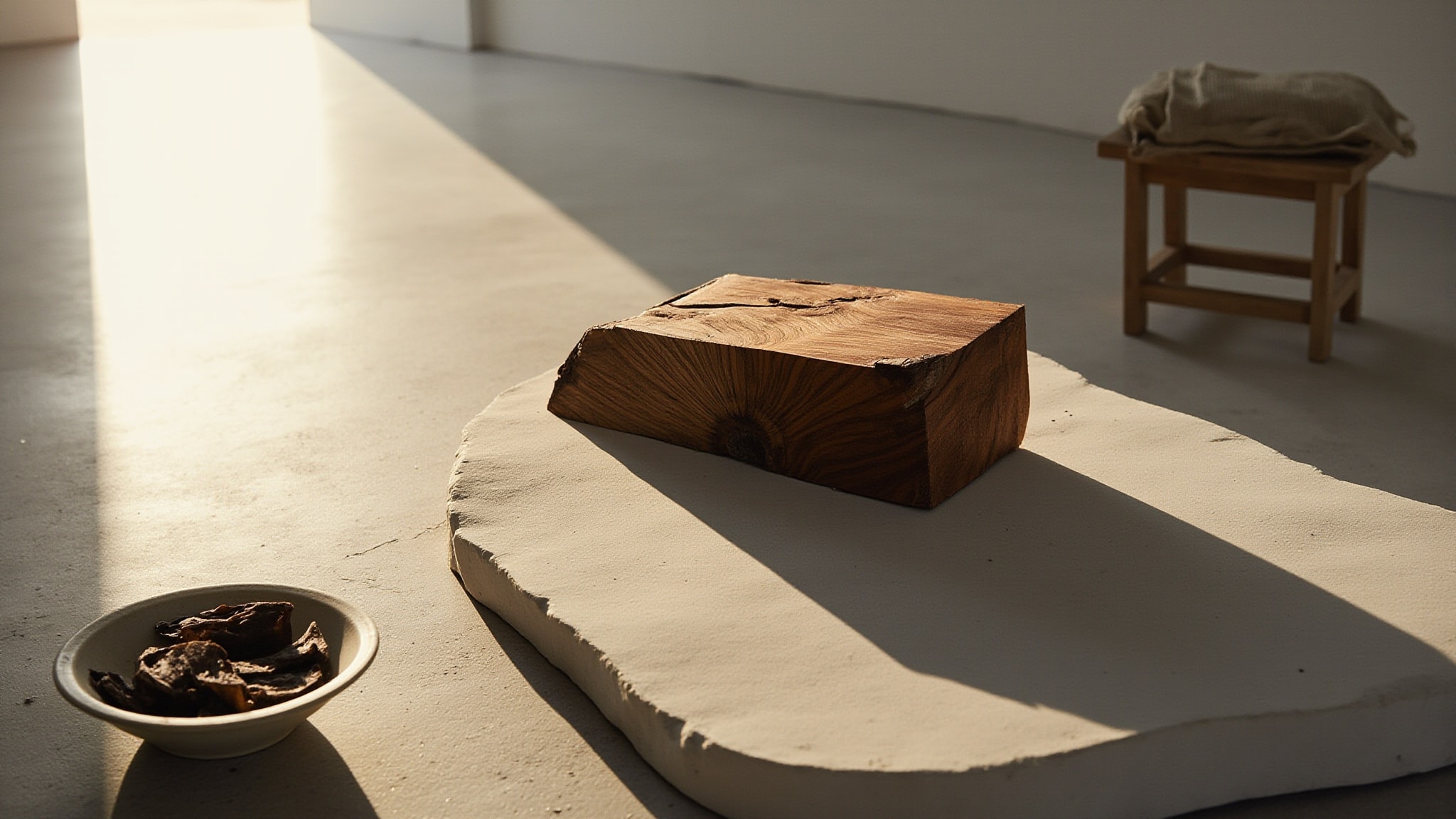
The name is the signal. Freudian Wood takes its cue from Freud's theory that wood represents desire, sexual desire, specifically, and the female form in particular. It's not a literal translation of psychoanalysis into scent. It's closer to capturing the sensation itself: intimacy, skin, the charged air of wanting and having. Mark Buxton built this as a bridge between that idea and the actual smell of it, warm, close, the kind of thing that lives in the space between people.
The combination of lactone, costus, and ambrette seed is unusual in this way. Lactones bring a creamy, almost coconut-like warmth, the kind found in breast milk, in skin, in the idea of comfort itself. Costus adds an animalic, almost hairy quality. Ambrette seed contributes a musky warmth that keeps the whole thing soft rather than sharp. Sandalwood provides the woody backbone, but this isn't a straightforward woody fragrance. It's more like the smell of skin wearing something warm, lactonic cream, close to the body, intimate in a way that doesn't announce itself.
The evolution
The opening is ambrette seed, fresh, slightly nutty, with a musky warmth that reads as clean rather than sharp. Mimosa arrives quietly alongside it, bringing a soft, powdery floral sweetness that keeps things light. For the first twenty minutes, there's a sense of something bright and airy unfolding. Then the heart takes over. Sandalwood and lactone become the dominant story, creamy, warm, almost coconut-like in their sweetness. Costus and cumin add an animalic depth that anchors the creaminess, prevents it from becoming too soft. Rose appears as a quiet counterpoint, something dry and greenish that keeps the warmth from becoming cloying. Cypress adds a faint evergreen note, something structural that keeps the lactonic sweetness from floating away entirely. By the second hour, the drydown settles into labdanum and ambergris. The woody core persists, sandalwood softened now, more memory than material, but the animalic warmth of costus and ambergris takes over. This is the skin phase: warm, close, intimate.
Cultural impact
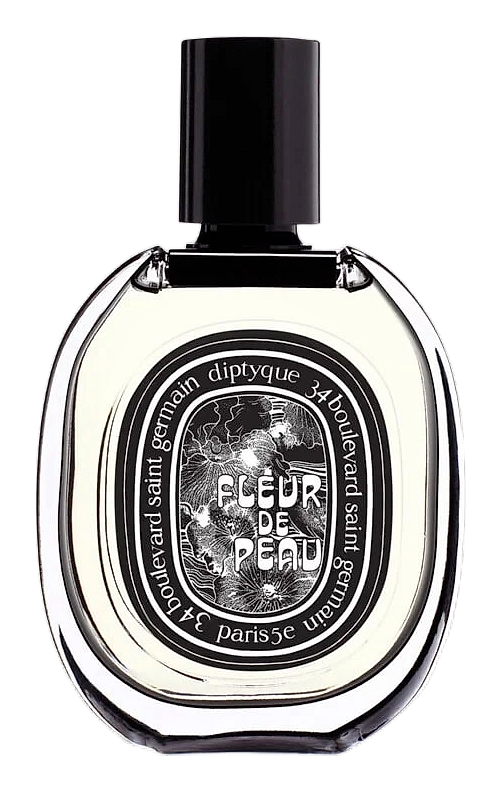
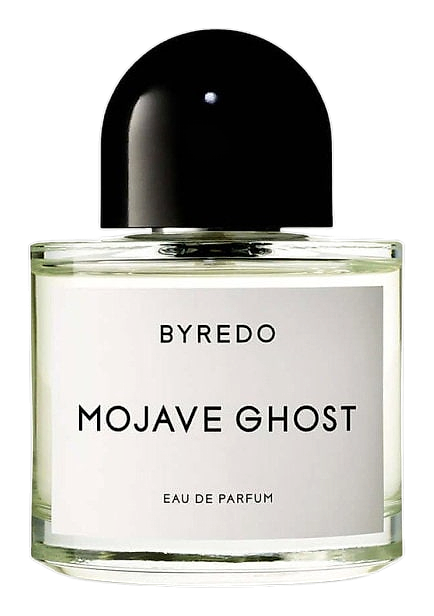
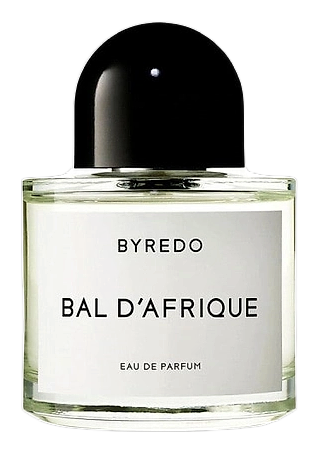
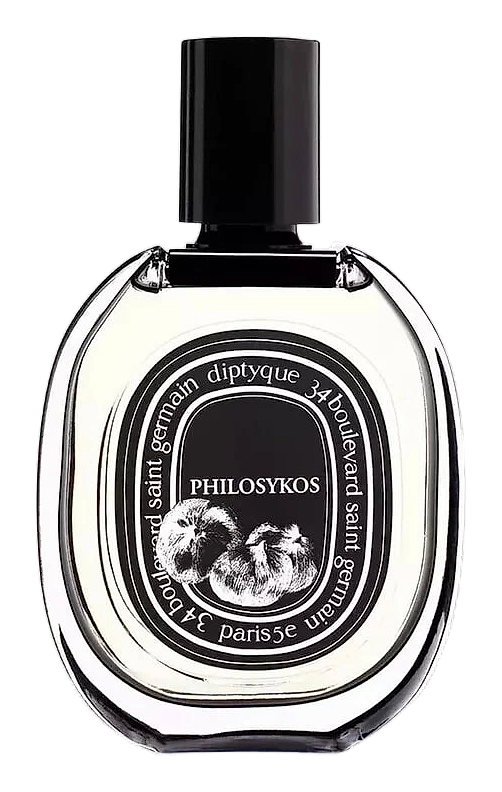
Freudian Wood occupies a specific niche: those who find mainstream woody fragrances too sharp, too masculine, too much about the tree rather than the skin. The lactonic emphasis puts it closer to skin-cream territory, warm, close, intimate. It's been compared favorably to Diptyque's Fleur de Peau and Byredo's Mojave Ghost, though the animalic depth sets it apart. The name ensures it won't be mistaken for a safe blind buy, which has kept its community small but opinionated. Those who find it tend to find it hard.