
The Story
Why it exists.
The beginning
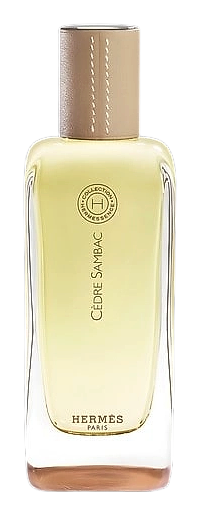
Hermessence exists because Hermès believes perfume shouldn't answer to market research. For the 2018 entry, Christine Nagel turned to two materials that seem unlikely partners: Jasmine Sambac, lush and sensual, and Cedar, dry, architectural. The task was to find what happens when they truly listen to each other instead of competing for attention.
Most fragrances use jasmine as a bridge to sweetness. Most use cedar as a base that supports everything above it. Cedre Sambac refuses both jobs. Here, jasmine Sambac isn't a bridge, it's a destination. The cedar isn't a foundation, it's an equal. The result is a composition where neither material is subordinate, where the warmth of white petals and the quiet grip of wood occupy the same space without negotiation. That's unusual. That's the point.
The evolution
It begins soft. Jasmine Sambac announces itself with that characteristic creamy sweetness, petals edged in green, but without the indolic punch some jasmine varieties carry. Then the cedar arrives, not sharp, not pencil-shaving, but something deeper. It doesn't overpower. It contextualizes. The jasmine deepens in response, becoming richer, almost powdery as it settles against the wood. By hour three, the cedar has taken the lead, but it's a cedar that has learned something from the jasmine, warmer, softer, no splinters. The final drydown is intimate and close, skin-warm, lasting past the point where you'd think anything this quiet could still be there.
Cultural impact
The Hermessence line attracts people who've moved past performance metrics and into something more particular. Cedre Sambac specifically draws wearers who want to be proved wrong about minimalism, two notes that shouldn't be enough, worn by people who already know better. It asks something of the wearer.