The Story
Why it exists.
The beginning
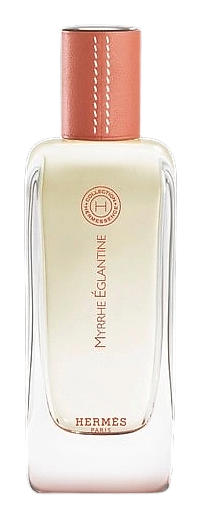
Myrrhe Eglantine emerged from Hermès's Hermessence collection in 2018, composed by house perfumer Christine Nagel. The name alone tells you where this lives, myrrh, one of perfumery's oldest materials, paired with églantine, the wild dog rose that grows across European hedgerows. Not the pampered hybrid teas of formal gardens, but the tough, fragrant kind that blooms where it wants. Nagel's brief was simple in the way only Hermès briefs can be: two materials, one tension, see what happens.
What happens is a conversation between opposites. Wild rose is dewy, almost green, with a freshness that feels like morning. Myrrh is resinous, warm, with the dusty depth of something ancient and precious. Together they create a classical accord, rose and myrrh have been paired since antiquity, but Nagel's execution keeps it from feeling heavy or old-fashioned. The Hermessence format gives her space to work slowly, to let the materials speak without loud support. This is not a complicated fragrance. It's a patient one.
The evolution
It opens with the rose upfront, fresh, vivid, like cutting a stem and getting sap on your fingers. The myrrh arrives quietly, not displacing the flower but warming it from underneath. For the first hour, it's a study in balance: floral brightness above, resinous depth below. Then the rose begins to recede, not disappearing but settling into the composition. The myrrh takes over, and what's left is warm, slightly boozy, intimate. Lasts six to eight hours on most skin, staying close throughout. You'll know it's there. Others might not, unless they lean in.
Cultural impact
Hermès doesn't chase trends, and its fragrance community word-of-mouth moves at its own pace. Myrrhe Eglantine has earned its reputation quietly, the kind of scent that builds a following one compliment at a time, worn by people who appreciate Hermès's particular vocabulary of refinement.