The Story
Why it exists.
The beginning
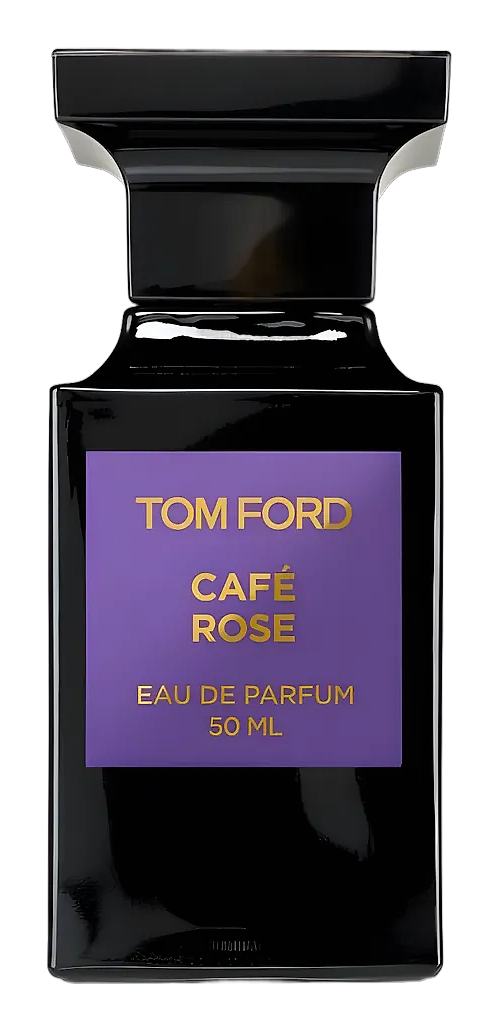
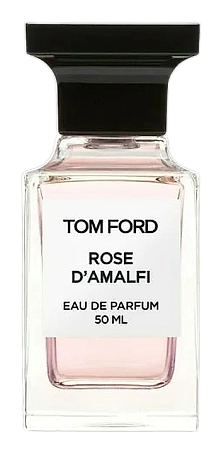
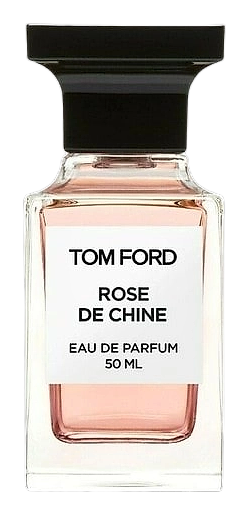
Rose de Chine arrived in 2022 under the Private Rose Garden Collection, Tom Ford's laboratory for compositions that aren't afraid of their own shadow. Perfumer Yann Vasnier, whose work spans the house's most memorable releases, was given a brief that sounds simple on paper: rose, but not like anything already on the shelf. The answer was peony, but not the polite, background-player peony of conventional florals. Here, peony doesn't whisper. It arrives full and stays full, saturating the air with a ruffled, almost photographic intensity that feels closer to peony extract than any flower could manage in nature. The structural weight lands on myrrh and labdanum instead of conventional woody bases, creating a floral that doesn't apologize for taking up space.
Peony isn't a natural material. It's a synthetic shortcut to pink florality, consistent, affordable, and frankly, often boring. Rose de Chine uses it differently. Here, peony is the starting gun, not the decoration. The real structural weight lands on myrrh and labdanum instead of conventional woody bases, these two resins giving the composition a dry, resinous quality that lingers well after the florals have softened.
The evolution
Peony hits first. Not a polite introduction, a full-volume arrival with ruffled petals and nowhere to hide. The effect is almost photographic: the smell of peony distilled and amplified, closer to peony extract than any flower could manage in nature. Rose slowly surfaces from underneath as the opening evolves, the green-pink heat of the peony begins to recede and you realize there's been rose there the whole time, just waiting for its moment. Then myrrh arrives. Not warm so much as smoky, resinous, the kind of drydown that feels like it belongs to a different season entirely.
Cultural impact
The fragrance's loud peony opening defines its character, an unapologetic arrival that doesn't soften or retreat. The boldness of the peony, amplified to near-photographic intensity, creates a floral presence that refuses to fade into background. This rose-forward composition, built with myrrh and labdanum as structural anchors rather than conventional woody bases, answers a real question: what happens when a rose composition isn't afraid of its own presence? The result is a scent that holds its ground from first spray through extended wear, with mineral and resinous qualities that develop distinctly as the florals evolve.