The Story
Why it exists.
The beginning
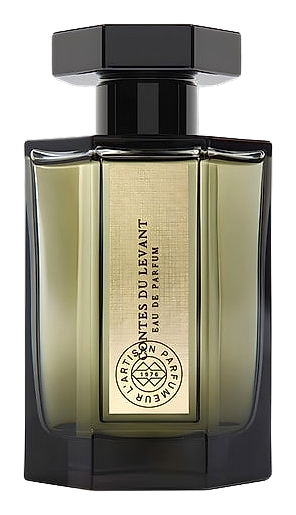
Contes du Levant belongs to the Les Merveilles collection, L'Artisan Parfumeur's showcase for prized ingredients deployed with intention. Perfumer Christophe Raynaud wanted to do something specific: capture the green and spicy soul of a damascena rose treated in majesty, then let it collide with the warmth it deserves. The Levant, that crossroads of trade and culture along the eastern Mediterranean, gave him his anchor. Eastern rose, elevated.
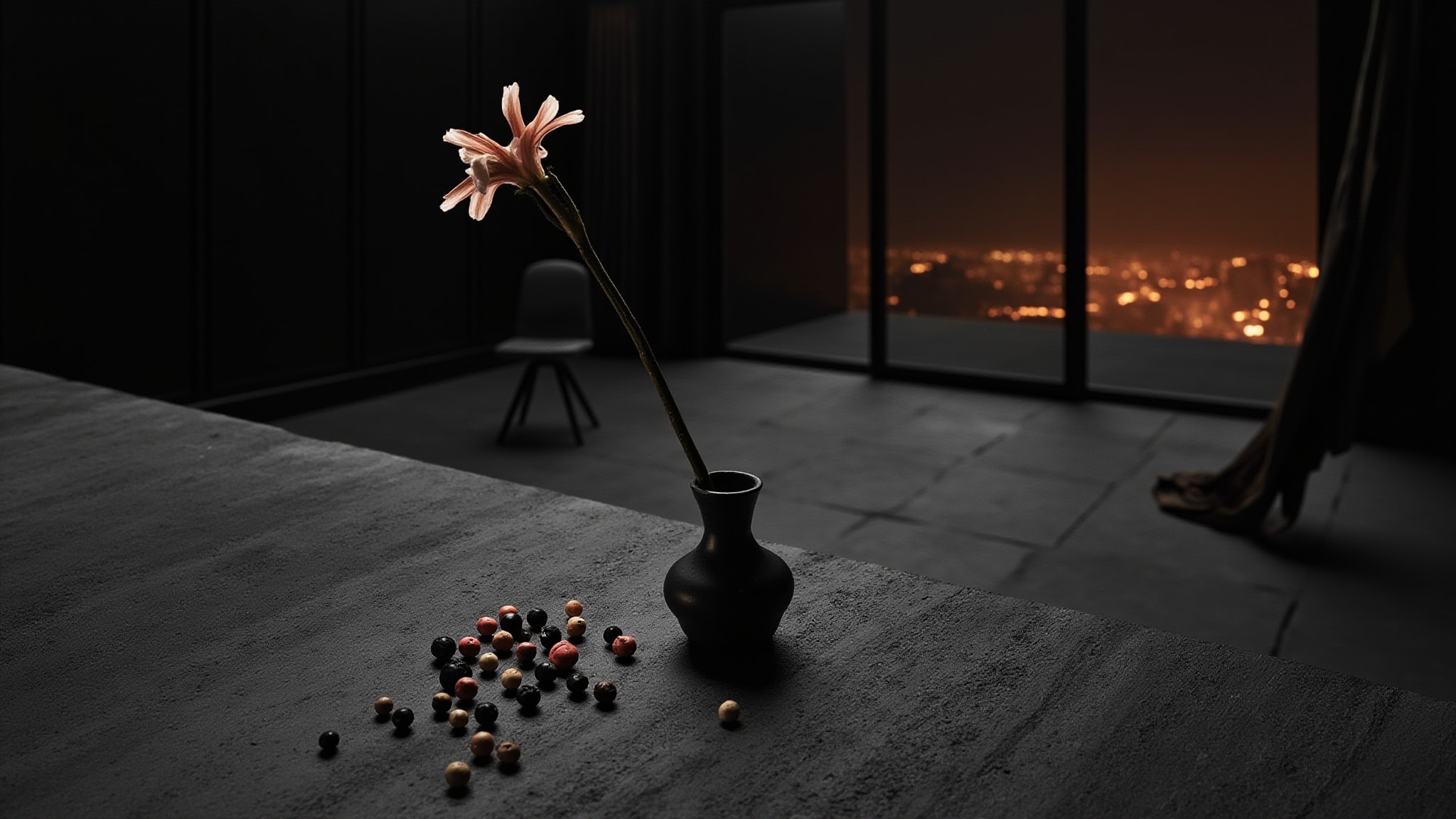
What makes this composition work is the tension Raynaud engineered between freshness and warmth. The Turkish rose arrives green, almost mineral, with a freshness that feels almost cool against skin. The three peppers (black, pink, white) don't compete with it, they sharpen it, give it edges it wouldn't otherwise have. Then Indonesian patchouli and incense settle underneath, warm and resinous, supporting the rose's weight without dimming its glow. It's a balancing act most perfumers wouldn't attempt.
The evolution
The opening announces itself immediately, a bright, sharp trio of peppers that could read as confrontational if you weren't ready. Thirty minutes in, the Turkish rose arrives, and the whole composition shifts. It becomes floral, yes, but with a green bite that keeps it from sliding into softness. By the second hour, the rose dominates fully, supported by incense and patchouli working the base. The drydown is where this fragrance earns its reputation: warm, resinous, with the rose still faintly present over patchouli eight to ten hours later. On fabric, it lingers until the next day.
Cultural impact
Contes du Levant arrived in 2021 as part of L'Artisan Parfumeur's Les Merveilles collection, signaling a house re-engagement with bold, statement-making compositions after years of softer, more approachable releases. The three-pepper opening, uncommon in mainstream perfumery, rejects the trend toward safe, inoffensive openings that dominate designer fragrance. In doing so, it echoes the confrontational spirit of niche perfumery while remaining rooted in the house's Mediterranean heritage. The fragrance has since influenced how other houses approach rose-based compositions, encouraging perfumers to treat the material as a protagonist rather than a supporting note. This represents a meaningful shift in how Western perfumery engages with Eastern olfactory traditions.