The Story
Why it exists.
The beginning
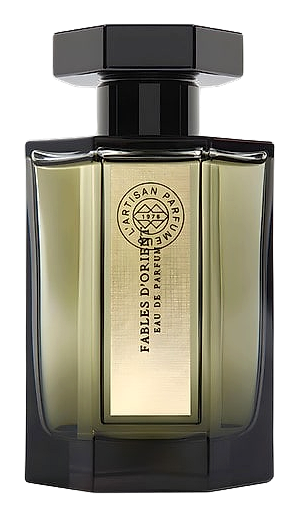
Fables d'Orient belongs to Les Merveilles, L'Artisan Parfumeur's collection of olfactory stories drawn from myth and material. Christophe Raynaud built this one around an unusual concept: a flower that had become milk. Not a floral fragrance that smells creamy, something with the actual texture of cream, the weight of liquid comfort, translated into scent. The orient in the name points toward the resins and the warmth, the frankincense and myrrh that have perfumed sacred spaces for millennia. But it's the heliotrope, sun-warmed, unctuous, almost edible, that holds the center. Raynaud wanted you to smell a texture, not just a note.
The challenge Raynaud set himself was balancing heliotrope's natural sweetness against the warmth of nutmeg and the resinous depth of frankincense and myrrh. Heliotrope on its own can read medicinal, almost almond-like. Here, it's wrapped in iris petals and cushioned by overdosed musks until it becomes something softer, the comfort of warm skin, of something borrowed and worn close. The amber doesn't function as a fixative alone. It vibrates, the perfumer's own word, acting as a bridge between the creamy heart and the skin itself. That's the trick: making the fragrance feel less applied than absorbed.
The evolution
The opening arrives soft, almost tentative. Iris powder first, then heliotrope's sweet cream, with nutmeg's warmth threading through like a whisper. No sharp attack. The first thirty minutes are gentle, almost shy, then the resins arrive. Frankincense and myrrh expand quietly beneath the florals, adding depth without loudness. By hour two, the composition has settled into something warmer, more intimate. The heliotrope persists but the spices have softened, the musk has taken over the sillage, and what's left on skin reads as skin itself. Eight to ten hours later, on most people, there's still a trace, a warm, powdery ghost that clings to fabric and warmth. The drydown isn't dramatic. It's patient. It becomes you.
Cultural impact
Fables d'Orient sits in a specific niche: the person who wants oriental warmth without oriental heaviness. The floral milk concept gives it a point of view that differentiates it from the house's more austere releases. It's become one of L'Artisan's more-worn fragrances, particularly in cooler months when its warmth reads as comfort rather than excess.
The House
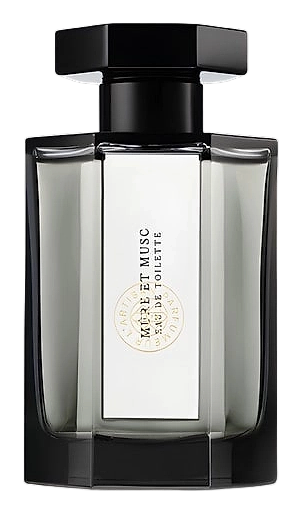
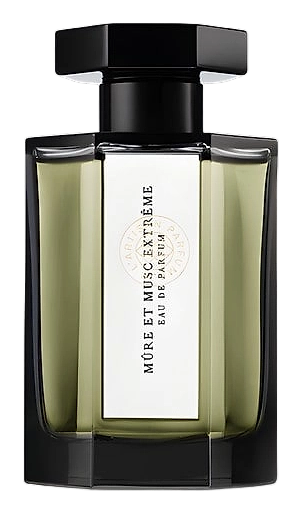
L'Artisan ParfumeurL'Artisan Parfumeur arrived in 1976 with a quietly radical idea: perfume should feel personal, not mass-produced. Founded by chemist Jean Laporte in Paris, the house became one of the first true niche fragrance houses, championing natural ingredients and artisanal craft at a time when blockbuster launches dominated the market. Its Mûre et Musc, launched in 1978, paired blackberry and musk in a way no one had attempted before, and it became a sensation. Over nearly five decades, the house has continued to create unusual fragrances with distinguished noses, never following trends but trusting instead in beautiful materials and imaginative composition.
The Creator
Christophe RaynaudWhile it's difficult to pinpoint a single defining characteristic across all of Raynaud's creations, there's often a sense of balance and sophistication. He's not necessarily known for overly avant-garde or challenging compositions; instead, he seems to favor well-structured f…