
The Story
Why it exists.
The beginning
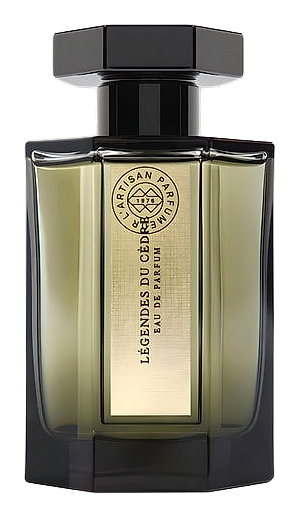
Christophe Raynaud set out to bottle something he called a woody nectar, a mystical emotion rooted in creamy cedar and built upward with warm, almost edible spices. Saffron and nutmeg were the instruments: warm, golden, with a faint heat that doesn't scorch so much as it lingers. The goal was never a straightforward woody fragrance. It was an enigma, something that rewards patience and repays second looks. The name, Légendes du Cèdre, Legends of Cedar, suggests stories worth telling, a fragrance that carries weight without shouting it.
What makes this composition stand apart is the way cedar doesn't arrive alone. It enters already surrounded: the saffron opens like a warm light behind it, the nutmeg adds a quiet spice, and the labdanum resin brings an earthy depth that anchors everything to the Orient. This isn't cedar as a clean, masculine shorthand. It's cedar as a living thing, resinous, warm, slightly sweet, with an oriental character that resists easy categorization. The combination of creamy cedar and fiery spices creates a tension that keeps the fragrance interesting long after the first spray.
The evolution
The first minutes announce cedar in its most commanding form, bold, immediate, woody. Then the composition pivots. Within seconds, the saffron and nutmeg arrive and the character shifts toward something darker, almost bitter, the spices pushing the cedar in a direction that isn't for everyone. The cedar recedes without disappearing, held in check by the warmth of the spice accord. After a few hours, the composition settles. The bitterness softens, the labdanum resin emerges as a warm, slightly sweet base, and the cedar returns, but gentler now, creamier, with a soft woodiness that feels close and intimate. The drydown is where this fragrance earns its name: warm cedar, saffron warmth, resinous depth, and an oriental quiet that stays close to the skin for hours.
Cultural impact
Légendes du Cèdre arrived in 2021 as part of the Les Merveilles collection. The composition unfolds as a woody nectar built around creamy cedar, with saffron and nutmeg threading spice into the blend. The cedar note carries warmth that grows richer as the fragrance settles, giving it a refined and lingering presence that feels at home in cooler weather.
The House
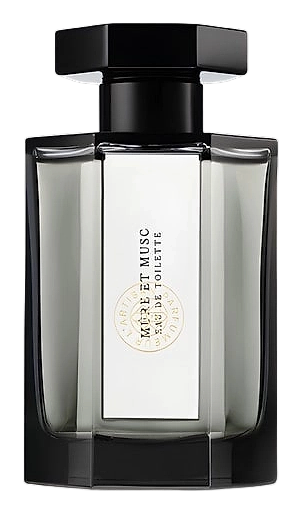
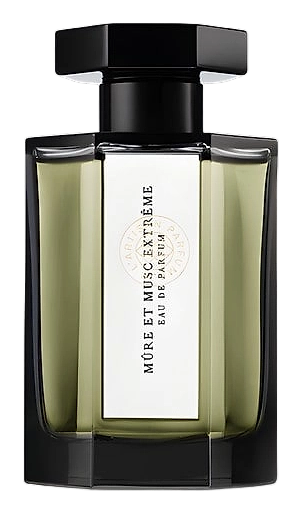
L'Artisan ParfumeurL'Artisan Parfumeur arrived in 1976 with a quietly radical idea: perfume should feel personal, not mass-produced. Founded by chemist Jean Laporte in Paris, the house became one of the first true niche fragrance houses, championing natural ingredients and artisanal craft at a time when blockbuster launches dominated the market. Its Mûre et Musc, launched in 1978, paired blackberry and musk in a way no one had attempted before, and it became a sensation. Over nearly five decades, the house has continued to create unusual fragrances with distinguished noses, never following trends but trusting instead in beautiful materials and imaginative composition.
The Creator
Christophe RaynaudWhile it's difficult to pinpoint a single defining characteristic across all of Raynaud's creations, there's often a sense of balance and sophistication. He's not necessarily known for overly avant-garde or challenging compositions; instead, he seems to favor well-structured f…