
The Story
Why it exists.
The beginning
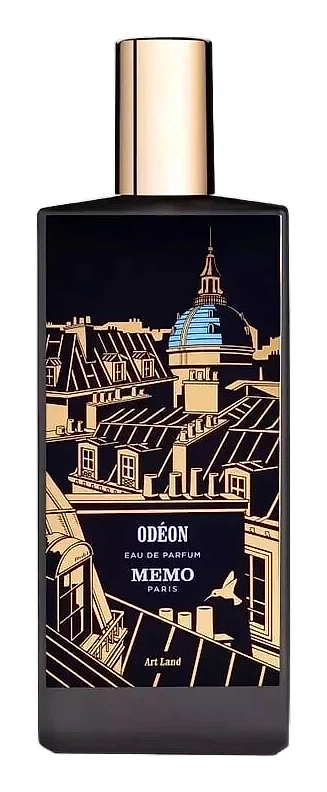
The Théâtre de l'Odéon has stood in Paris's 5th arrondissement since 1779, a landmark of performance where actors and audiences have shared something irreplaceable for over two centuries. Memo Paris drew that spirit into Odéon, not just the grandeur, but the hush before the curtain rises, the warmth of people gathered close in wood-paneled dark, the trace of presence that lingers after everyone's gone. Perfumer Aliénor Massenet built around an Isparta rose: a Turkish variety with green, litchi, powdery facets that make it more complex than a standard floral. She sweetened the rose with candied date, layered in amber and musky warmth, then finished with the kind of cashmeran softness that settles like a second skin. The result smells like the theater at intermission, intimate, a little luxurious, impossible to forget once you've been there.
What makes Odéon distinctive is how it handles rose. Not as a single hero note, but as a warm accord. The Isparta rose brings its own character, green, litchi-charged, powdery by nature, and the brand builds around it with candied date for richness that reads more autumnal than spring. The Indonesian patchouli doesn't compete for attention. It provides creamy depth that Sandalwood then deepens further, and cashmeran knits everything into something velvety and enveloping rather than sharp or linear. By the time the drydown arrives, the warm resins have asserted themselves and the finish holds close to skin rather than projecting loudly. This is rose as an environment, not a statement.
The evolution
The opening announces itself fully, Isparta rose absolute arriving with all its green and litchi facets intact, sweetened by candied date into something immediately rich. No gradual lift-off. The fullness is there from the first moment. Within the first hour, sandalwood begins to assert itself while patchouli cushions the floral in soft cream. Cashmeran smooths everything, creating a heart that's substantial but not heavy. The second and third hours belong to amber. Its warm resinous presence takes over as the rose begins to recede, and tonka bean follows with its coumarinic sweetness creating a gourmand undertone without crossing into food. Musk holds everything close, grounding the sweetness so it never becomes cloying. By hour four, Odéon has settled into its drydown state: warm amber resin, soft tonka, and skin-mimicking musk in a quiet final act that stays intimate and close, present enough to notice on yourself, never demanding others notice it. The longevity is real. On fabric the warmth persists well into the next wear.
Cultural impact
Odéon arrived in 2020 as part of Memo Paris's Fleurs Bohèmes collection, aligning with a broader luxury fragrance trend toward intimate rose-forward orientals. Memo Paris has built its identity on wearable artistry, and Odéon sits in their lineup as a refined alternative to louder synthetic florals dominating the mid-market. Its moderate sillage and warm drydown also reflect a cultural shift away from projecting assertiveness through scent, toward a preference for close, personal fragrance experiences.