Lactone
Lactones are a class of cyclic ester molecules that deliver soft, creamy, milky aroma profiles in fine Fragrance. In perfumery, they function as modifiers and fixatives, lending warmth, richness, and depth to the top and heart phases of a composition without overpowering the blend.
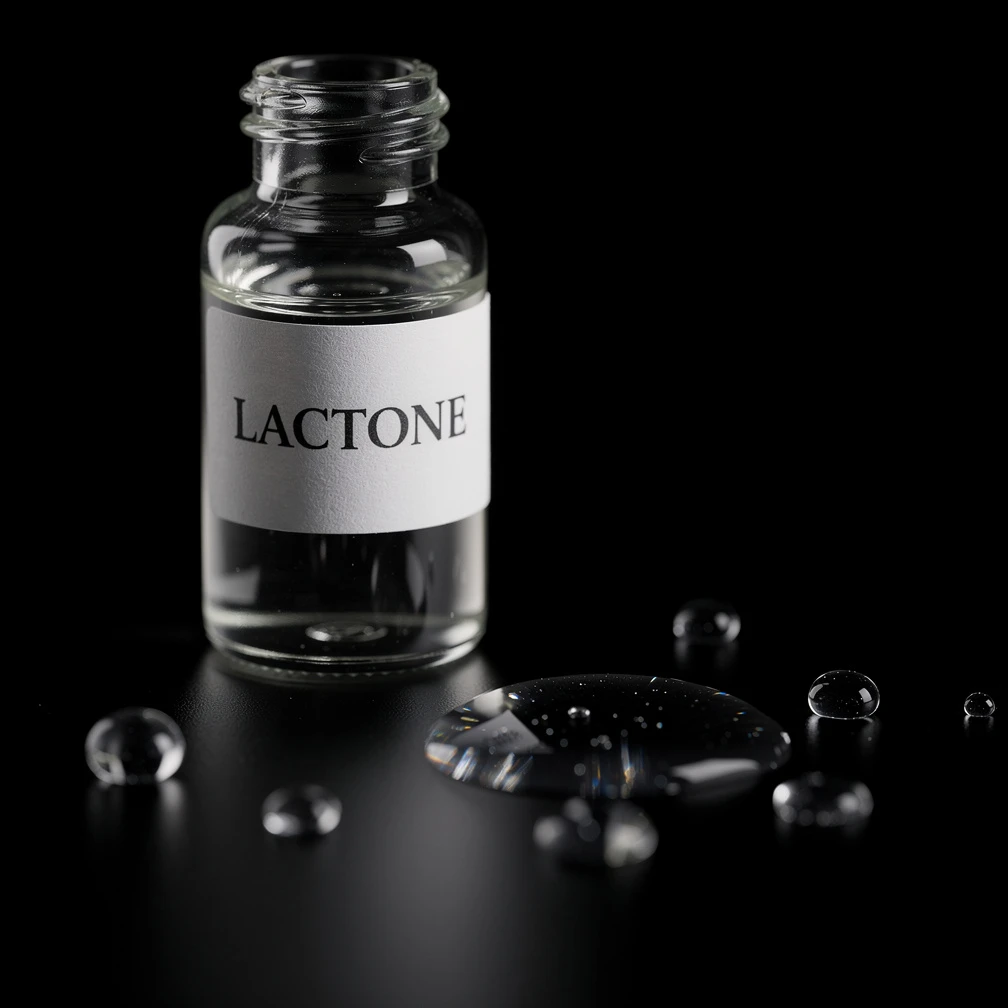
Character
How it smells
Creamy warmth that softens a fragrance from within.
Methyl Tuberate Pure, a lactone discovered by Firmenich scientists in 1982, was found almost entirely by accident during unrelated synthetic musk research.






Origin
United States
While formal identification of lactones did not occur until the late nineteenth century, ancient perfumers used plant extracts and distilled florals that unknowingly contained lactones for millennia. Greek, Roman, and Arabic perfumery traditions centered on jasmine, rose, and other botanicals that naturally contain lactone character, even if chemists could not yet name the molecules responsible for their creamy richness.
The accidental discovery of Methyl Tuberate Pure by Firmenich scientists in 1982 marked a turning point: for the first time, a single lactone molecule was deliberately isolated and applied as a fragrance ingredient, transforming how perfumers approached floral depth and warmth. Today, lactones appear across all fragrance families, from light florals to rich orientals, and modern organic chemistry allows precise structural modification to create lactones with targeted sensory profiles, a capability ancient distillers never imagined.
Wears it best
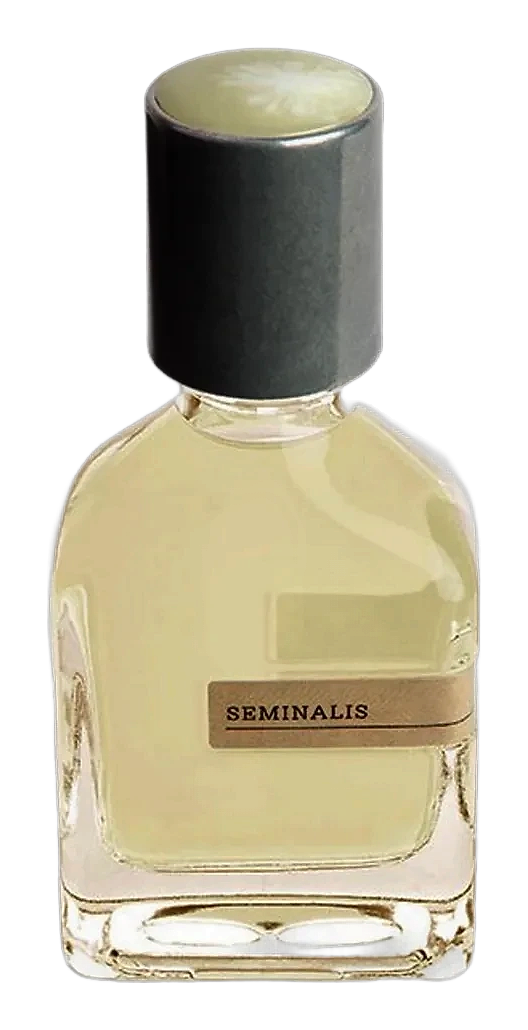
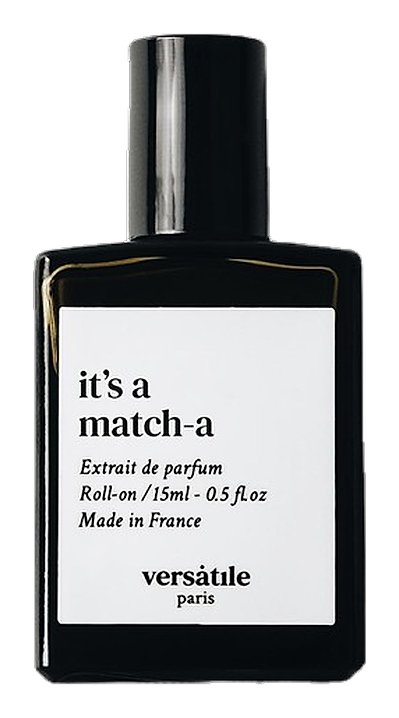
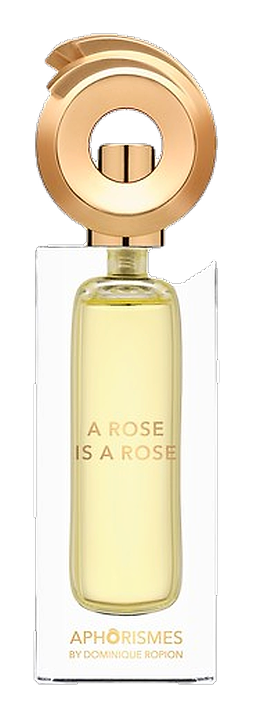
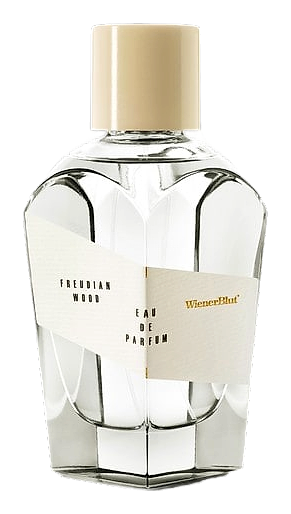
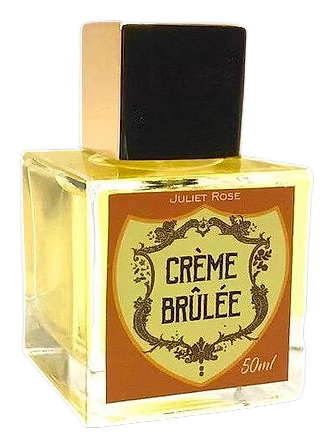
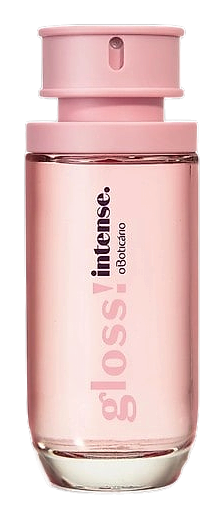
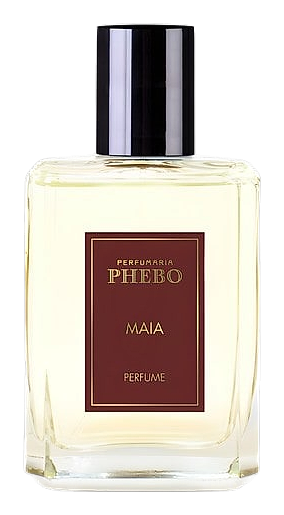
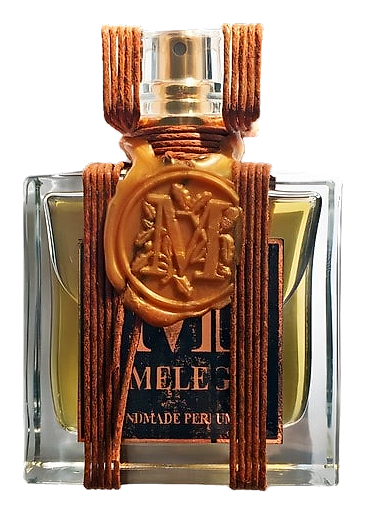
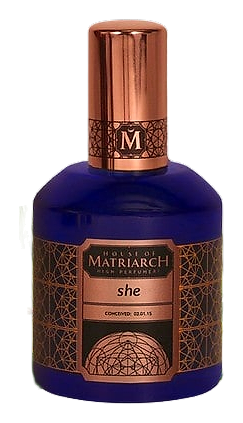
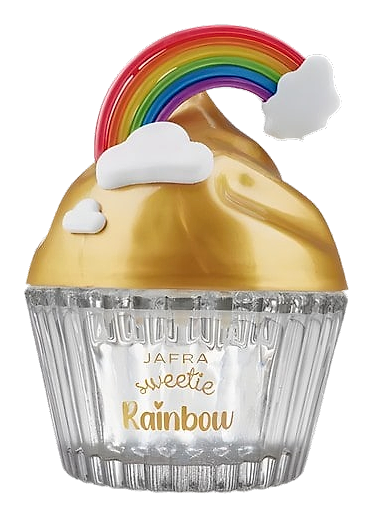
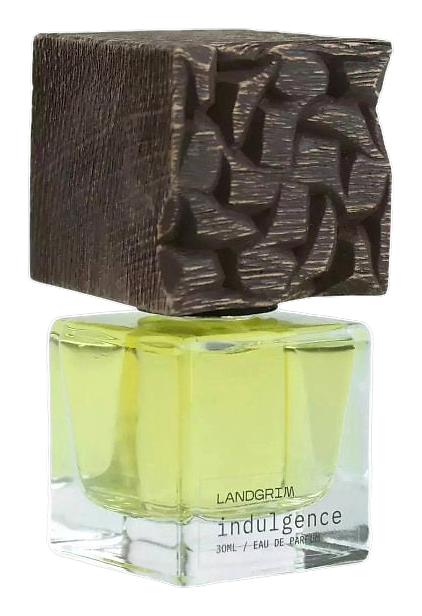
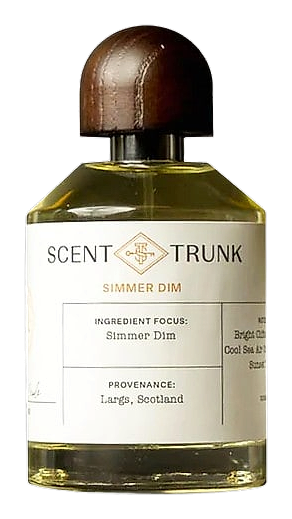
Fragrances featuring Lactone
Good to know
Questions, answered
The essentials on Lactone in perfumery: how it smells, where it comes from, and how it behaves on skin.
What does Lactone smell like in perfume?
Lactones smell creamy, milky, and soft, often compared to coconut milk, ripe peach, or apricot. Specific compounds like jasmine lactone add a jammy, warm floral quality, while gamma-decalactone delivers a more tropical, edible sweetness. The result is a plush, enveloping softness that rounds harsh edges in a formula.
Why is Lactone used in perfumery?
Lactones serve dual functions as both fixatives and modifiers in fragrance composition. They extend longevity by slowing the evaporation of more volatile top notes, and they add richness and warmth to the heart phase of a scent. Their creamy character bridges bright and dark elements in a blend, creating perceived depth without loud projection.
Is Lactone in perfume natural or synthetic?
Both natural and synthetic lactones are used in fine perfumery. Natural lactones occur in jasmine, coconut, peaches, apricots, and fermented products like whiskey. Synthetic versions such as gamma-decalactone are produced through aldol condensation, offering consistency and cost efficiency that natural extraction cannot match at scale.
What famous perfumes contain Lactone?
Lactones appear in high-profile oriental and tropical fragrances where creamy warmth is a hallmark signature. Santal 33 by Le Labo and多个白花调作品 showcase their presence in modern classics. The transparent lactonic qualities of jasmine lactone make it particularly common in floral compositions requiring plush texture.
Is Lactone a top note, heart note, or base note?
Lactones most commonly function as heart note modifiers, occupying the mid-phase of a fragrance where warmth and richness unfold. Some lighter lactones with fruity descriptors also contribute to the top phase in tropical or lactonic fragrances, providing an immediate creamy impression upon application.
What notes pair well with Lactone in perfume?
Lactones blend naturally with cream-resonant materials like sandalwood, vanilla, white musks, and benzoin. They enhance stone fruits such as peach and apricot, and they soften tropical florals like frangipani and gardenia. Coconut and lactone combinations are especially effective in beach-inspired or tropical fragrance themes.
Where does Lactone come from?
Natural lactones are found across multiple botanical sources: jasmine flowers contain jasmine lactone at concentrations up to three percent by weight in certain varieties, while peaches, apricots, and coconut oil each carry distinct lactone profiles. Industrial production centers in the US account for a significant share of global output for synthetic lactones used in perfumery.
Is Lactone used in men's or women's fragrances?
Lactones are gender-neutral in modern perfumery. They appear in bold men's orientals where they soften woody and spicy foundations, and in ethereal women's white floral compositions where they add plush warmth. Their versatility across accord types makes them equally effective inunisex and niche fragrances marketed to any audience.