The Story
Why it exists.
The beginning
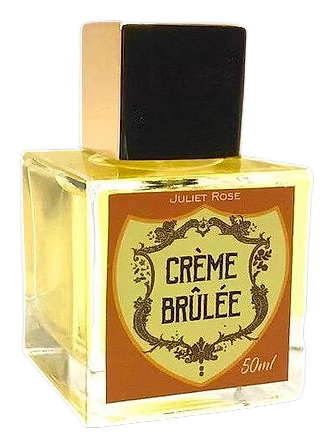
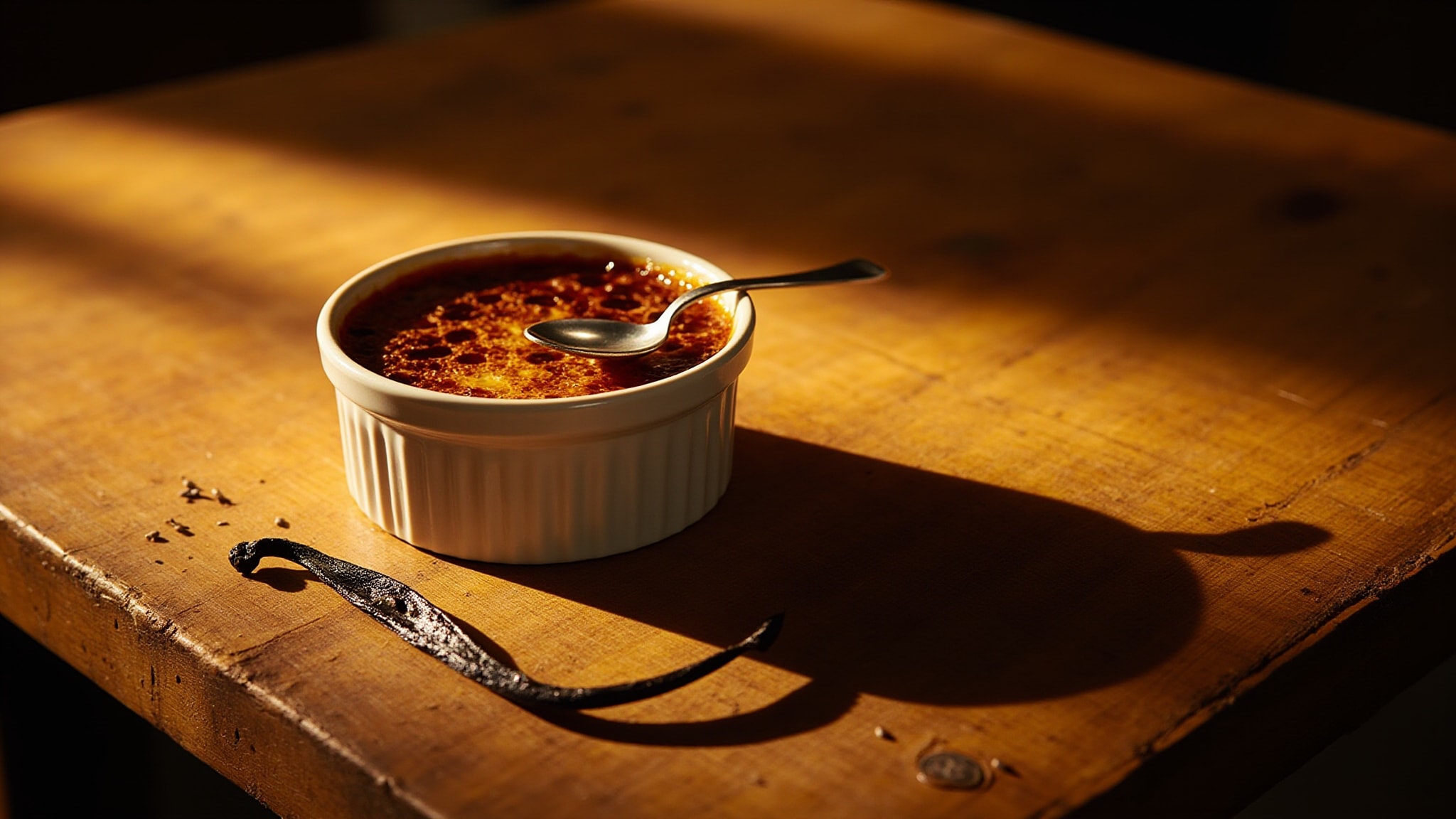
Crème Brûlée arrived in 2021, inspired by a culinary moment. Juliet Rose had been obsessed with the instant when a spoon breaks through a caramelized sugar crust to reveal the silky custard beneath. She approached fragrance the same way: building from contrasting textures. The brief called for a cold, crisp opening (cream and sugar cane) before a warm, yielding heart (butter and vanilla). That snap of sugar against silk is what she chased for months.
The perfume uses six core materials to build its illusion. Each choice references the dessert structurally: the cream and lactone recreate the custard base, butter mimics the dairy richness, vanilla ties everything tog ether as it does in the dessert, and the drydown trio (caramel, maple syrup, vanilla) mirrors the caramelized sugar crust without ever using actual sugar. The result smells uncanny in the best way, capturing texture more than flavor.
The evolution
The journey begins in dairy territory: cream and lactone create an immediate sense of richness, while sugar cane grounds the opening with its vegetal sweetness. Ten minutes in, butter arrives with unmistakable opulence, colliding with vanilla to form a custard thick enough to coat the skin. The vanilla here is doubled, layering absolute against custard accord for complexity. By the third hour, caramel and maple syrup arrive like a drizzle of topping, their sticky sweetness softening the buttered edges. Vanilla clings longest, ensuring the whole experience stays warm and edible.
Cultural impact
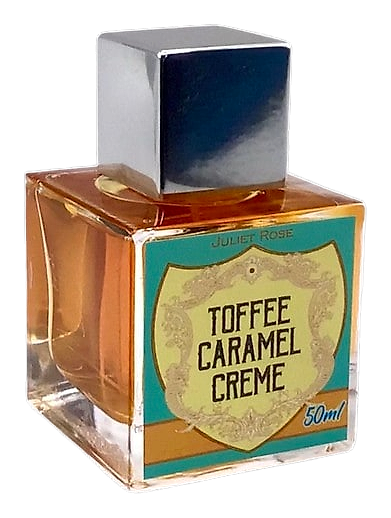
Since its 2021 debut, Crème Brûlée has become a quiet favourite among niche gourmand lovers, often mentioned alongside Toffee Caramel Creme and Mint Choc Chip Ice Cream in community forums. Wearers cite its dessert‑like charm as perfect for Intimate gatherings, and its moderate sillage makes it a subtle statement in the growing trend of edible‑inspired fragrances.