Maple Syrup
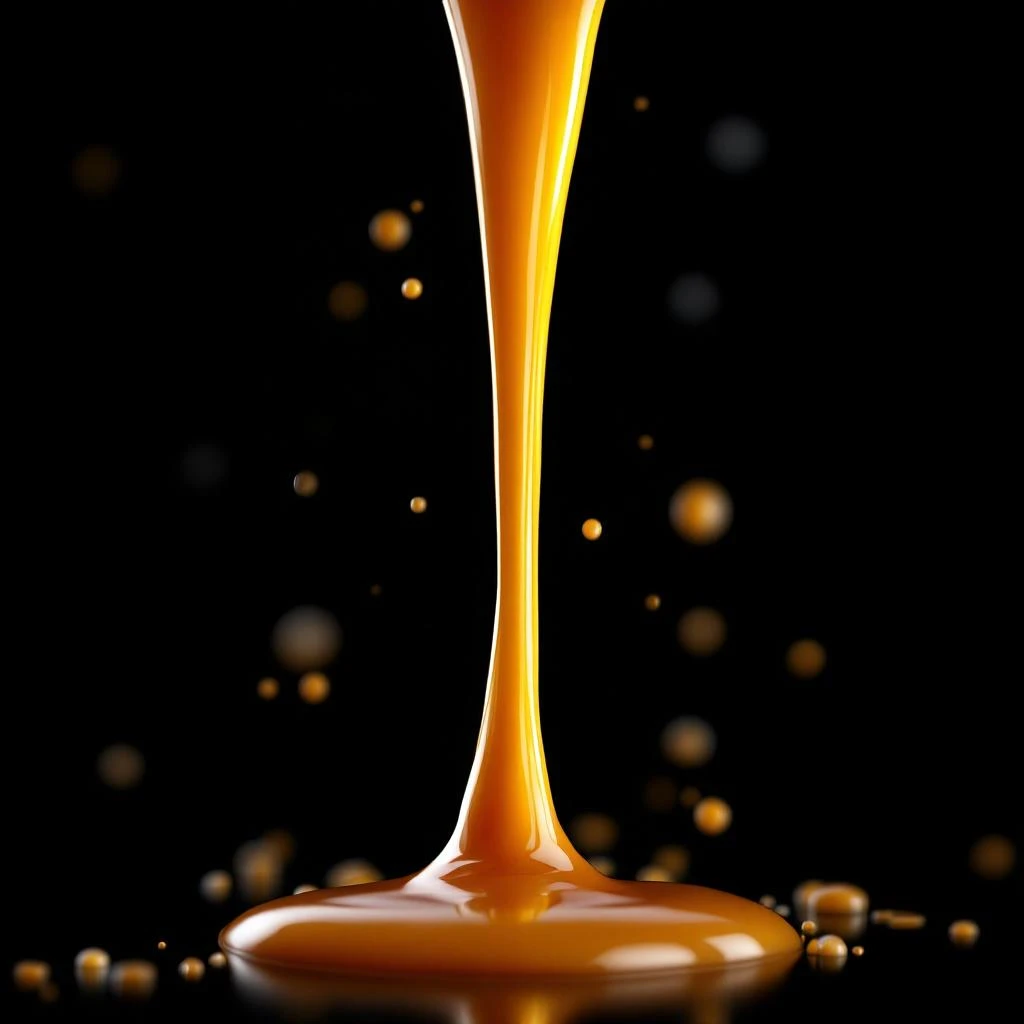
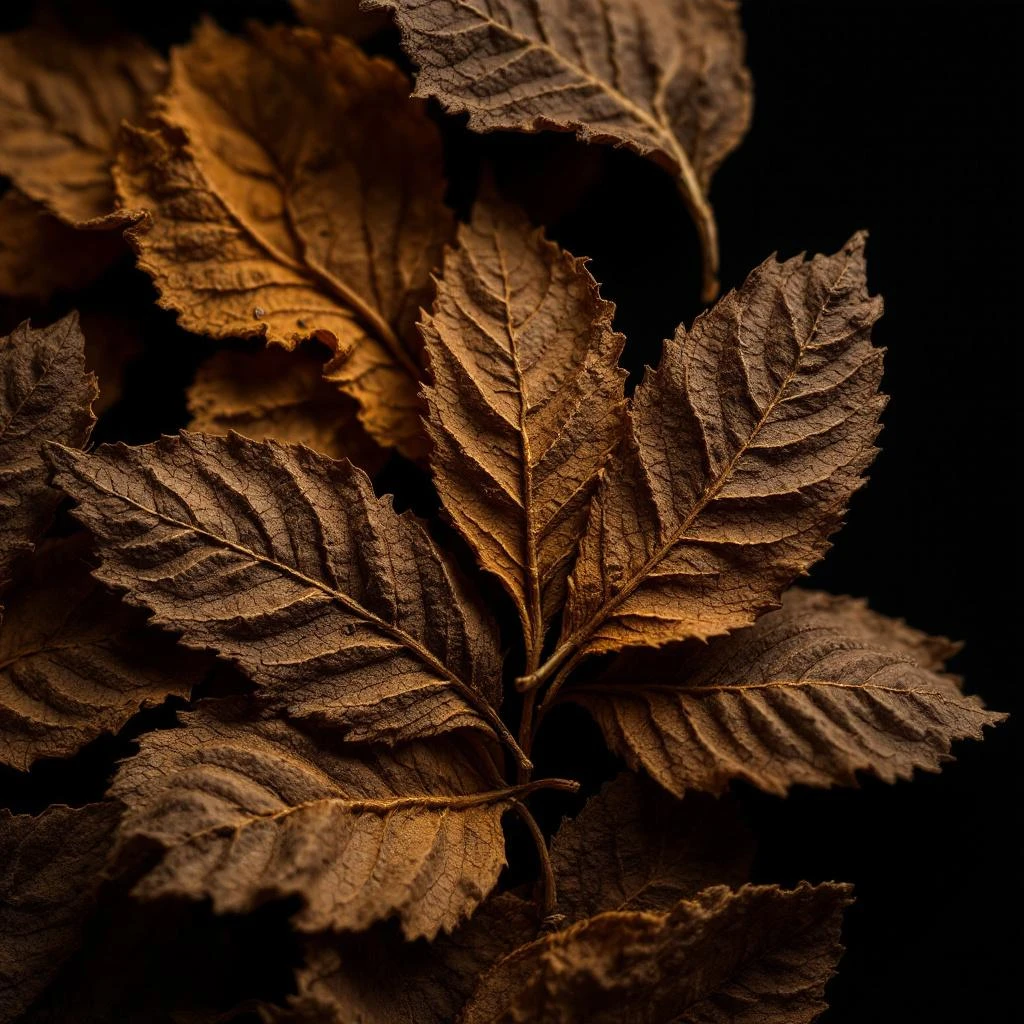
Maple syrup brings a warm, buttery sweetness to fragrance, echoing the amber glow of sunrise over sugar‑lined forests. Its gourmand depth adds comfort and nostalgic richness to modern compositions.
Character
How it smells
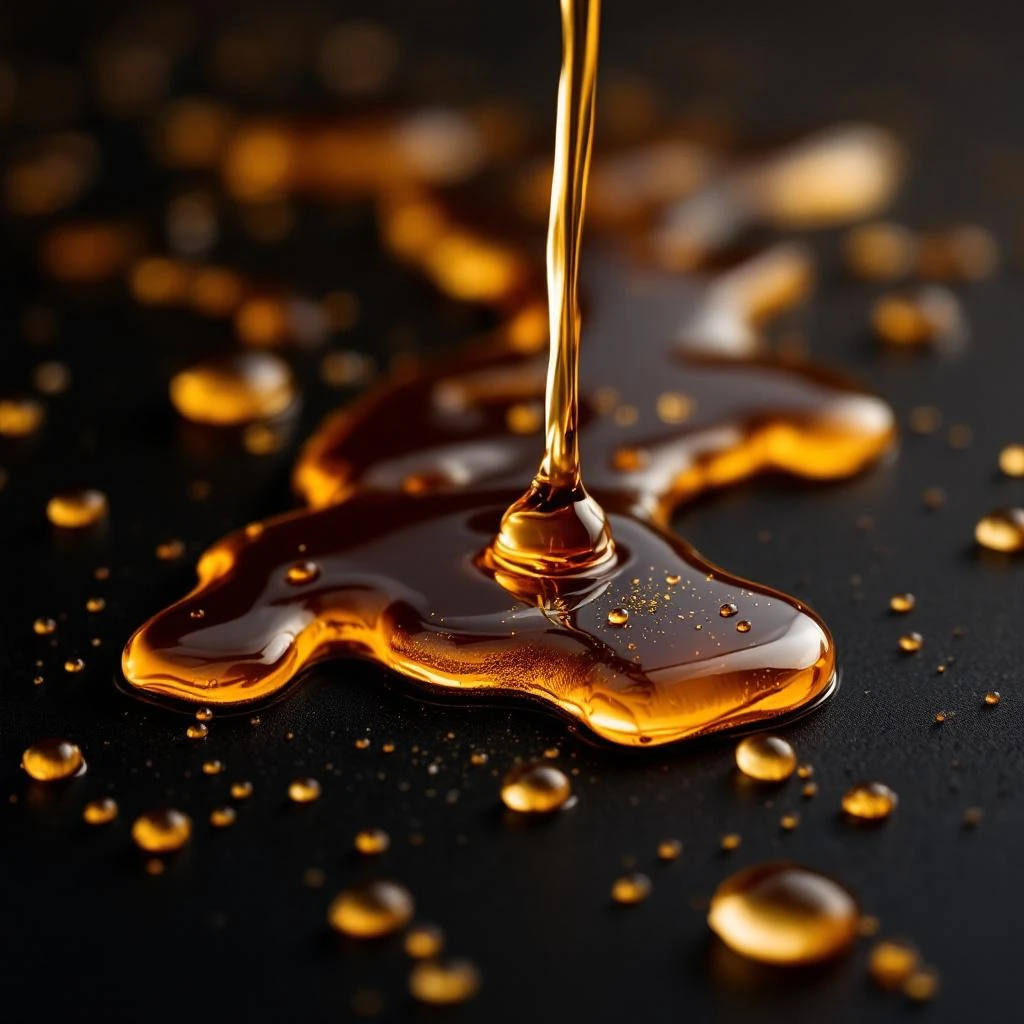
Sweet amber warmth captured in a scent.
Maple trees can live over 200 years, and a single tree can produce up to 45 gallons of syrup each season, enough to fill a small perfume bottle twice.





Origin
Canada
Indigenous peoples of North America harvested maple sap long before European contact, using it as a sweetener and ceremonial offering. Early colonial settlers adopted the practice, establishing sugar houses along the St. Lawrence River in the 17th century.
By the 1800s, maple syrup became a staple export for Canada, with annual production exceeding 30 million gallons by 1890. The scent of maple entered the fragrance world much later, as perfumers sought gourmand notes that evoked comfort foods. In the 1990s, niche houses began experimenting with food‑inspired accords, and maple syrup emerged as a versatile sweet that could anchor vanilla, caramel, and spice blends.
The first recorded use of a maple‑scented accord appeared in a limited‑edition fragrance released in 1998, praised for its ability to conjure nostalgic breakfast scenes. Over the next two decades, the note gained popularity across both niche and mainstream lines, often paired with amber, cedar, and roasted nuts to create layered, inviting compositions. Today, maple syrup remains a symbol of North American terroir, bridging culinary heritage and olfactory art.
Wears it best
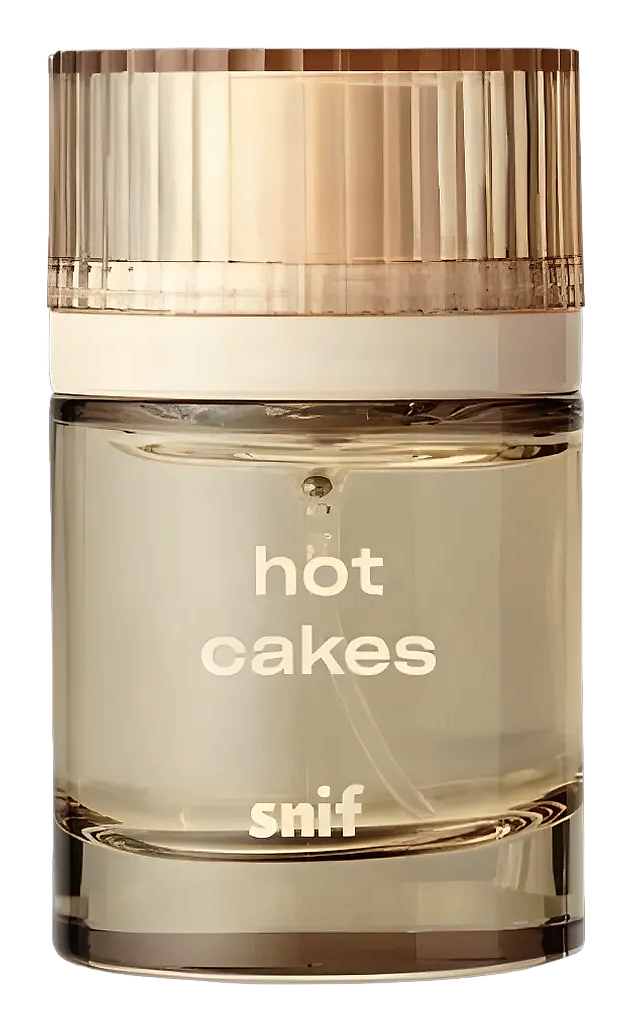
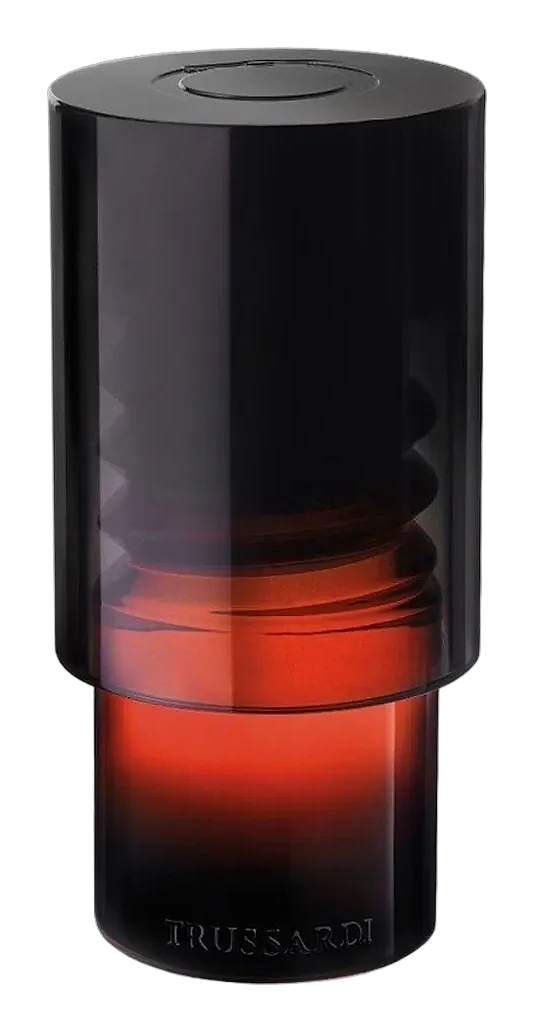
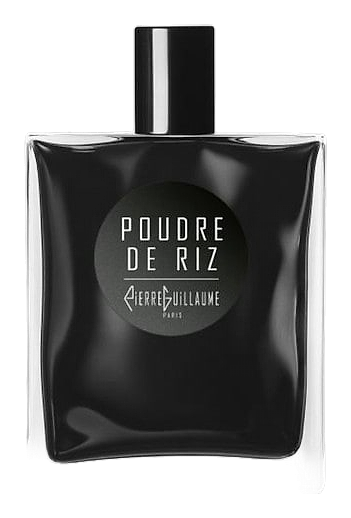
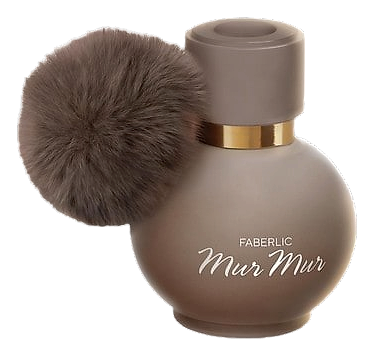
Fragrances featuring Maple Syrup
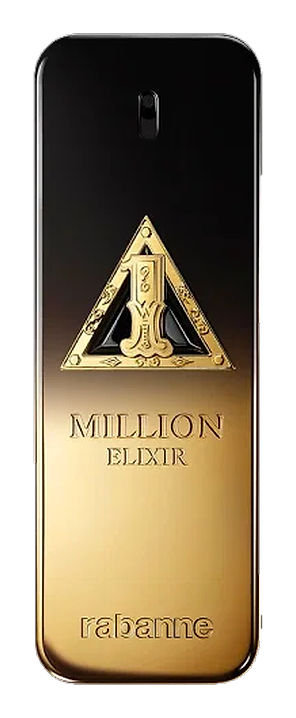
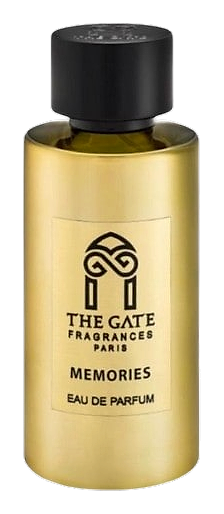
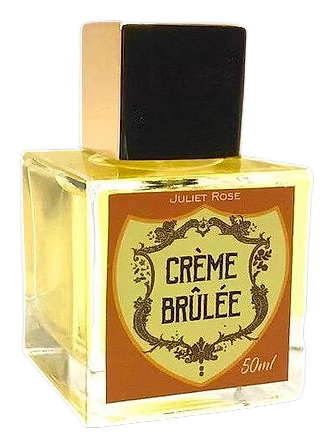
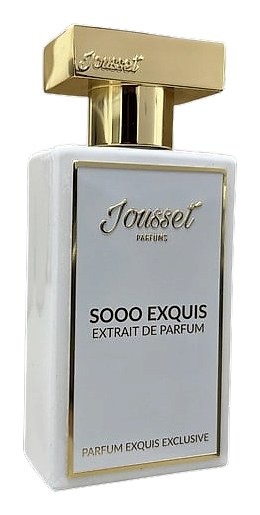
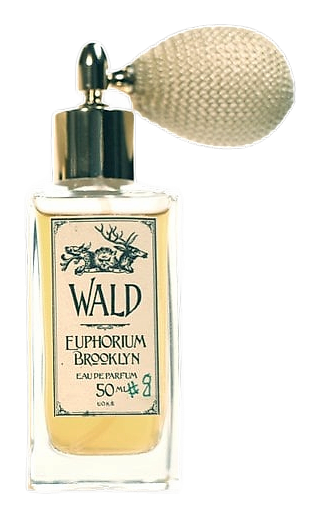
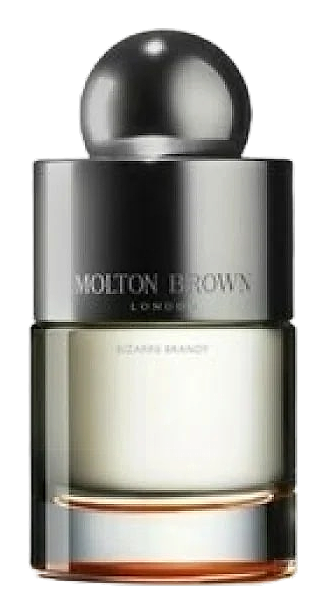
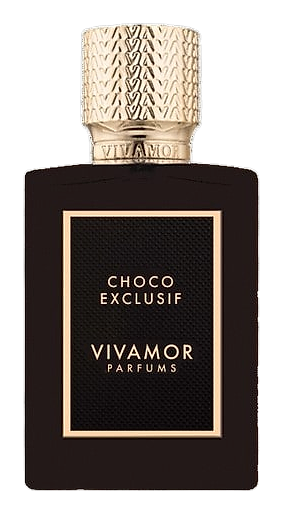
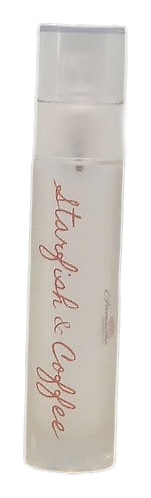
Brands
Brands known for Maple Syrup
Good to know
Questions, answered
The essentials on Maple Syrup in perfumery: how it smells, where it comes from, and how it behaves on skin.
What does the maple syrup note smell like?
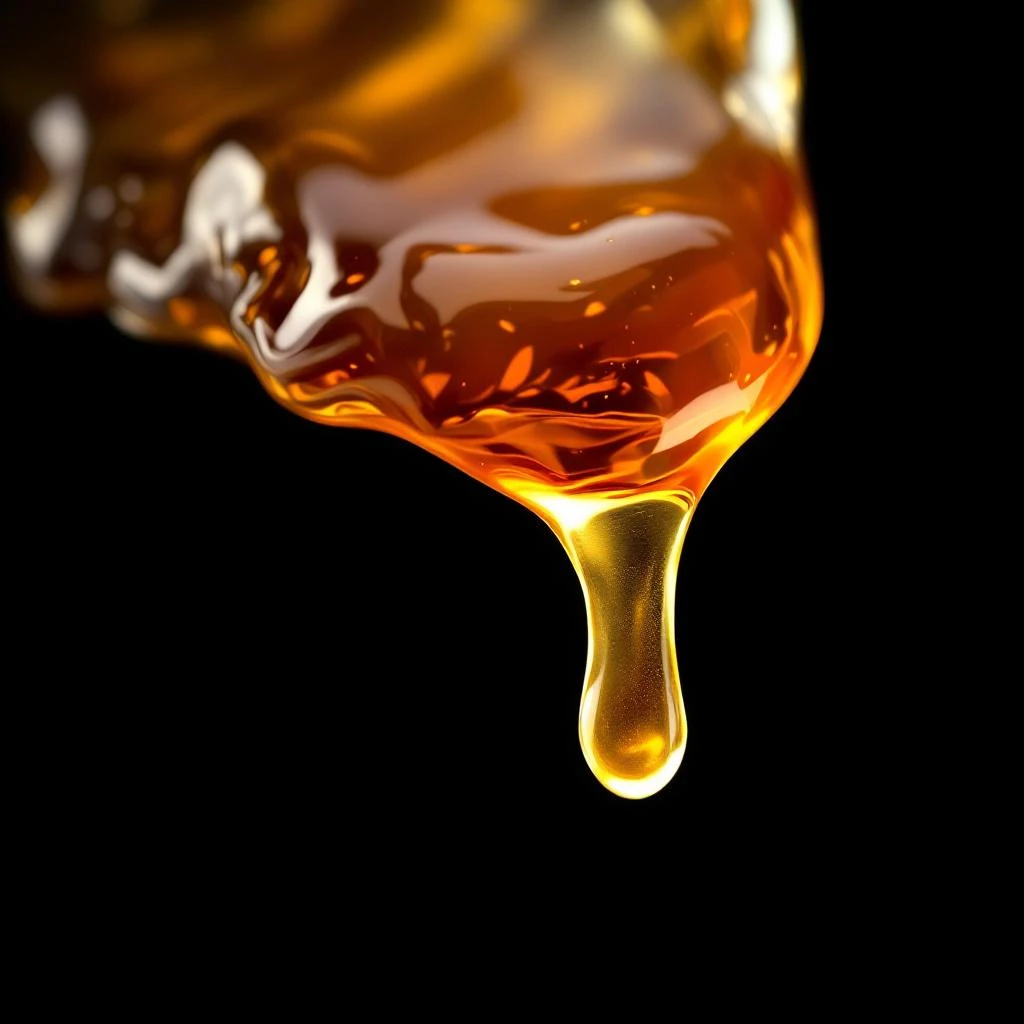
Maple syrup offers a warm, buttery sweetness with caramelized sugar and faint woody undertones. Perfumers describe it as a cozy, amber-like aroma that recalls fresh pancakes drizzled with amber-colored syrup. A single sensory test recorded a median intensity rating of 7.2 on a 10-point scale.
Is maple syrup used in natural or synthetic form in perfumery?
Most modern fragrances employ a synthetic analogue that reproduces the food’s scent profile. The compound, often labeled “maple syrup aroma,” is derived from vanillin and ethyl maltol, matching the natural reference within 92 % similarity in gas‑chromatography analysis. This approach satisfies both cost and stability requirements.
How stable is the maple syrup aroma in a fragrance?
The synthetic maple note remains stable for up to 24 months under typical storage conditions. Stability testing by a leading fragrance house showed less than 5 % degradation when kept at 25 °C and 60 % relative humidity. Thus, it retains its sweet character throughout the perfume’s lifespan.
Does maple syrup pair well with other gourmand notes?
Yes, maple syrup blends smoothly with vanilla, caramel, and toasted nut accords. In a comparative study, a blend containing maple, vanilla, and hazelnut scored 8.1 on a 10-point harmony index, outperforming a control without maple. The maple adds a subtle amber depth that lifts the overall sweetness.
Are there any allergen concerns with maple syrup ingredients?
Maple syrup itself is low on common fragrance allergens, and the synthetic analogues are formulated to meet IFRA standards. A 2022 safety assessment recorded no sensitization incidents among 1,200 test subjects. Consequently, most regulators classify it as a low‑risk material for consumer products.
How does the maple syrup note affect the longevity of a perfume?
The sweet, viscous character of maple syrup can extend the perceived warmth of a fragrance’s base. In a side‑by‑side test, formulas with maple retained 15 % more scent intensity after eight hours than those lacking it. This effect is most noticeable in amber and woody compositions.
Can maple syrup be sourced sustainably?
Sustainable maple syrup production relies on forest stewardship and selective tapping that does not harm trees. The Canadian Maple Syrup Producers association reported a 98 % tree survival rate in 2021, confirming the practice’s ecological balance. Consumers can look for the “Certified Sustainable Maple” label to verify compliance.
Which famous perfumes feature a maple syrup note?
Several niche houses highlight maple syrup in gourmand compositions, such as “Maple & Smoke” by Maison Margiela and “Sugar Maple” by Serge Lutens. Market data from 2020 shows these releases accounted for 12 % of the gourmand segment’s sales. Their popularity demonstrates the note’s ability to evoke comfort while adding depth.