Vanilla custard
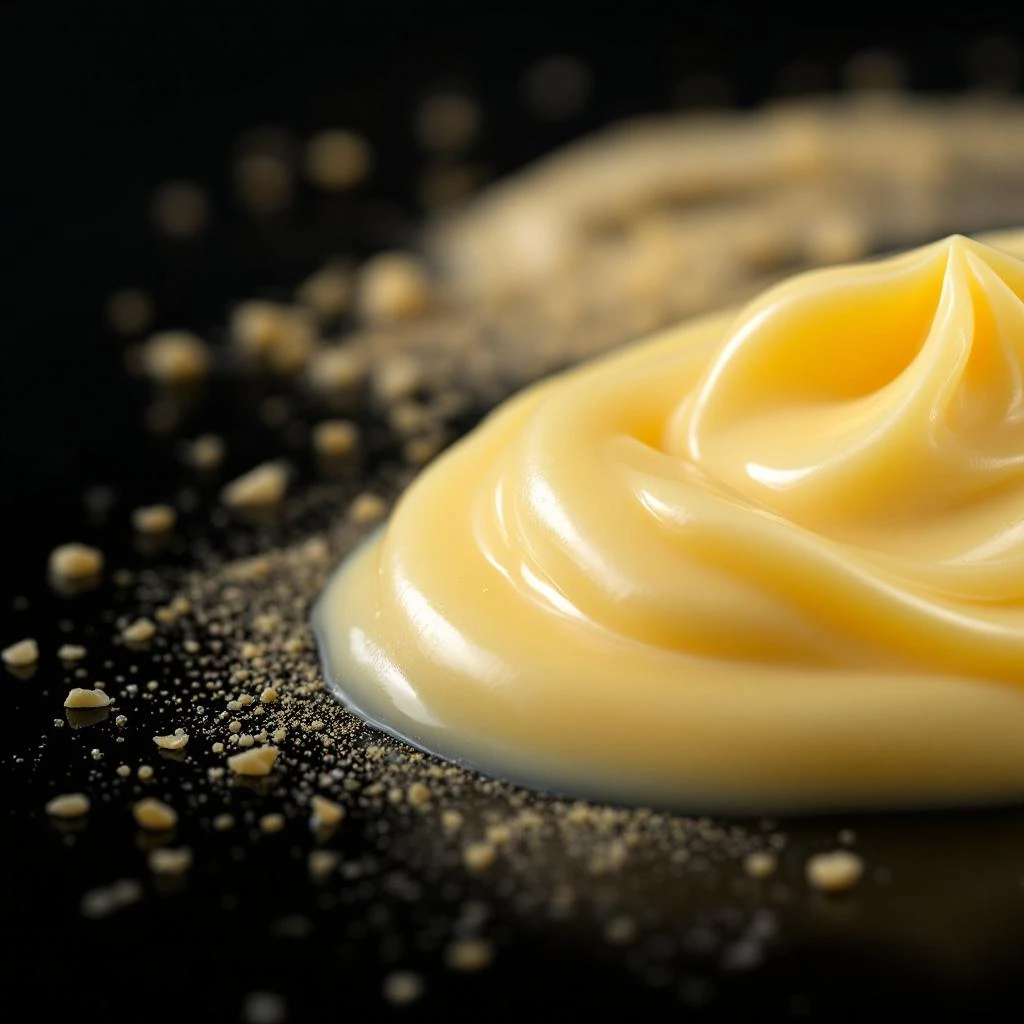
Vanilla custard is a rich, edible base note that combines warm vanilla with creamy, lactonic depth. It evokes the smooth comfort of a freshly baked custard, adding sweetness and warmth to fragrance compositions. Perfumers create this note by blending natural vanilla absolute with creamy synthetic components to achieve its characteristic indulgent character.
Character
How it smells
The indulgent warmth of vanilla softened by creamy, edible comfort
The vanilla orchid can take up to nine months to mature its fruit, making each pod a small miracle of patience in botanical cultivation.



Origin
Mexico
Vanilla traces its heritage to ancient Mesoamerica, where the Totonac people in what is now Mexico first cultivated the orchid Vanilla planifolia. The Aztecs adopted vanilla, combining it with chocolate to create xocolatl, an early ancestor of modern hot chocolate. When Spanish conquistadors encountered vanilla in the 16th century, they introduced it to European courts where it became prized as a rare aromatic.
For nearly two centuries, Mexico held a monopoly on vanilla production because only the Melipona bee could pollinate the flowers. That changed in 1841 when a 12-year-old botanist named Edmond Albius on the island of Réunion discovered how to hand-pollinate vanilla flowers. This breakthrough enabled cultivation across tropical regions, with Madagascar eventually becoming the world's largest producer. Today, vanilla appears in countless fragrances, valued for its warmth and sensuality that have captivated perfumers for centuries.
Wears it best
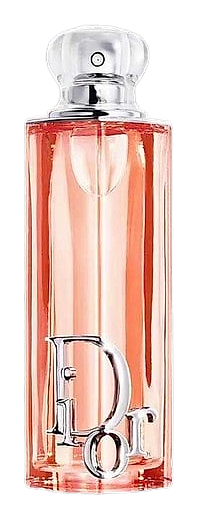
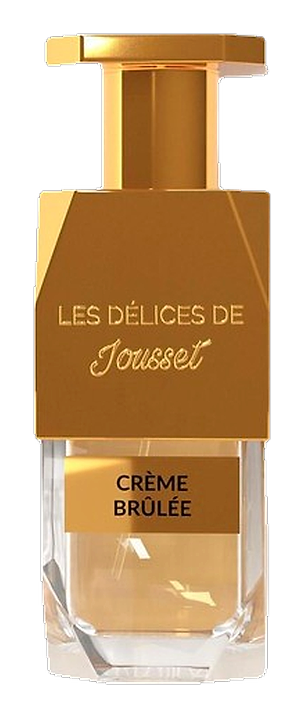
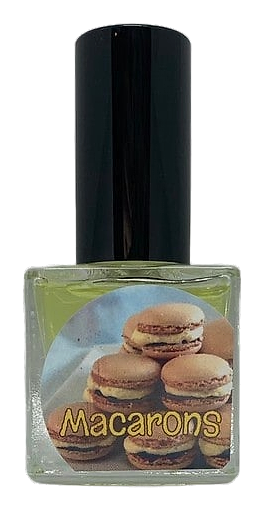
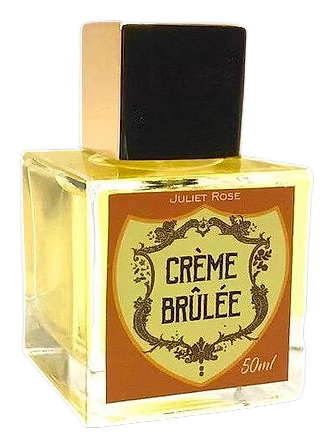
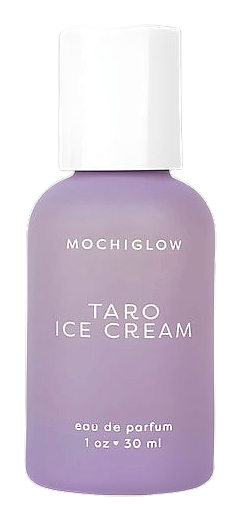
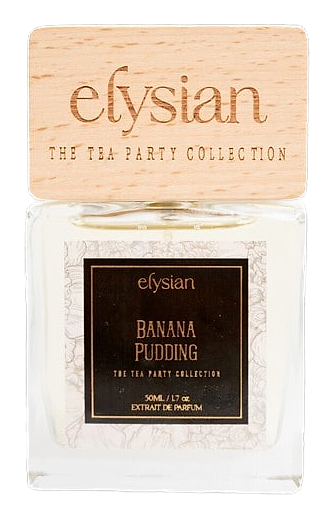
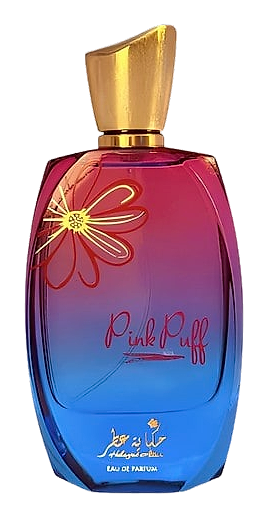
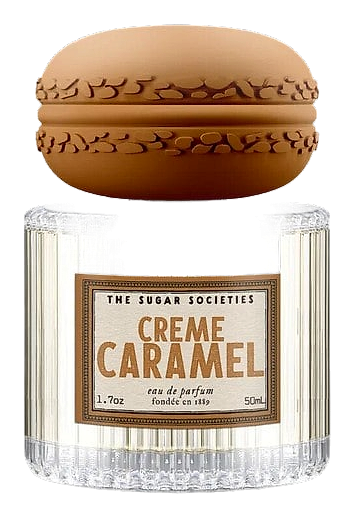
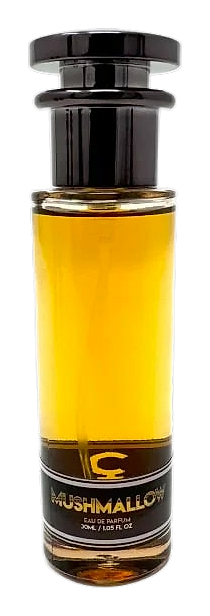
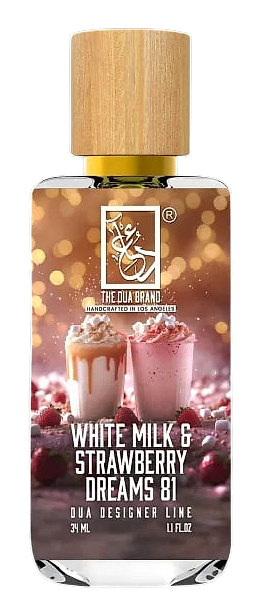
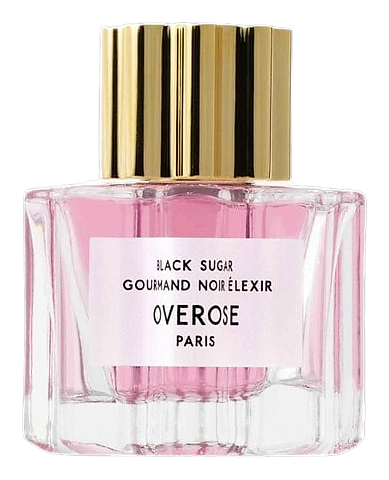
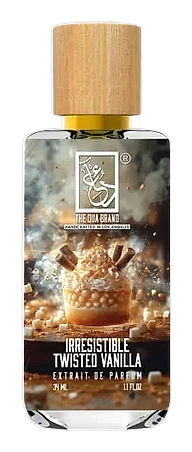
Fragrances featuring Vanilla custard
Brands
Brands known for Vanilla custard
Good to know
Questions, answered
The essentials on Vanilla custard in perfumery: how it smells, where it comes from, and how it behaves on skin.
What does Vanilla custard smell like in perfume?
Vanilla custard smells warm, sweet, and creamy with edible character. It combines vanilla's rich, slightly smoky depth with smooth lactonic notes that recall fresh cream and egg custard. The result is comforting and indulgent, often evoking dessert-like warmth in fragrance compositions.
Why is Vanilla custard used in perfumery?
Perfumers use vanilla custard to add warmth, depth, and sensuality to fragrances. It serves as an excellent fixative that slows the evaporation of lighter notes, extending fragrance longevity. A custard's creamy quality also softens harsh edges and creates an approachable, comforting character that appeals to many fragrance wearers.
Is Vanilla custard in perfume natural or synthetic?
Vanilla custard typically combines natural and synthetic materials. Natural vanilla absolute comes from cured pods, while synthetic vanillin replicates one of vanilla's primary aromatic compounds. Due to vanilla's high cost and the specific creamy profile needed, perfumers often blend natural vanilla with synthetics like vanillin and lactones to achieve the full custard character.
What famous perfumes contain Vanilla custard?
Many iconic fragrances feature vanilla as a dominant note, though custards specifically appear across various compositions. Guerlain's Jicky (1889) was among the first fragrances to prominently feature vanilla. Modern interpretations like Shalimar and countless orientals showcase vanilla's enduring appeal in perfumery.
Is Vanilla custard a top note, heart note, or base note?
Vanilla custard functions primarily as a base note in perfumery. Its molecules are relatively large and heavy, meaning they evaporate slowly and linger on the skin for hours. As a base component, it provides the lasting foundation around which heart and top notes unfold throughout the fragrance's wear cycle.
What notes pair well with Vanilla custard in perfume?
Vanilla custard pairs excellently with warm spices like cinnamon, cardamom, and clove. Oriental woods such as sandalwood and oud complement its creamy depth. Other sweet materials including caramel, benzoin, and tonka bean create layered Gourmand effects, while musk adds sensuality that enhances vanilla's warmth.
Where does Vanilla custard come from?
Vanilla custard originates from the Vanilla planifolia orchid native to Mexico. This climbing vine produces fruit that requires over nine months to mature. Madagascar produces approximately 80% of the world's vanilla, though Bourbon vanilla from Madagascar and Réunion remains highly prized for its complex, creamy character suited to custard-style accords.
Is Vanilla custard used in men's or women's fragrances?
Vanilla custard appears across men's, women's, and unisex fragrances without gender restriction. Historically considered feminine, vanilla has become a staple in masculine orientals and Gourmand scents since the late 20th century. Today, perfumers treat vanilla custard as a versatile base note applicable to any fragrance gender, from powdery florals to rich mens orientals.