The Story
Why it exists.
The beginning
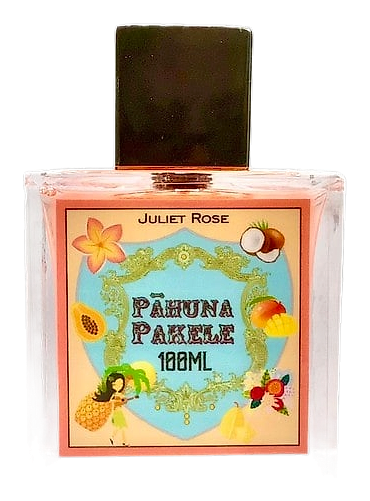
The name means Tropical Escape in Hawaiian. Juliet Rose designed it as exactly that, an olfactory departure from grey skies and routines. She built it in her South of England studio, working from fine art principles: each ingredient a pigment, the goal memory or mood rather than technique. The brief was escape, but the execution needed depth. Fruit alone wouldn't do it. The solution sat in the base.
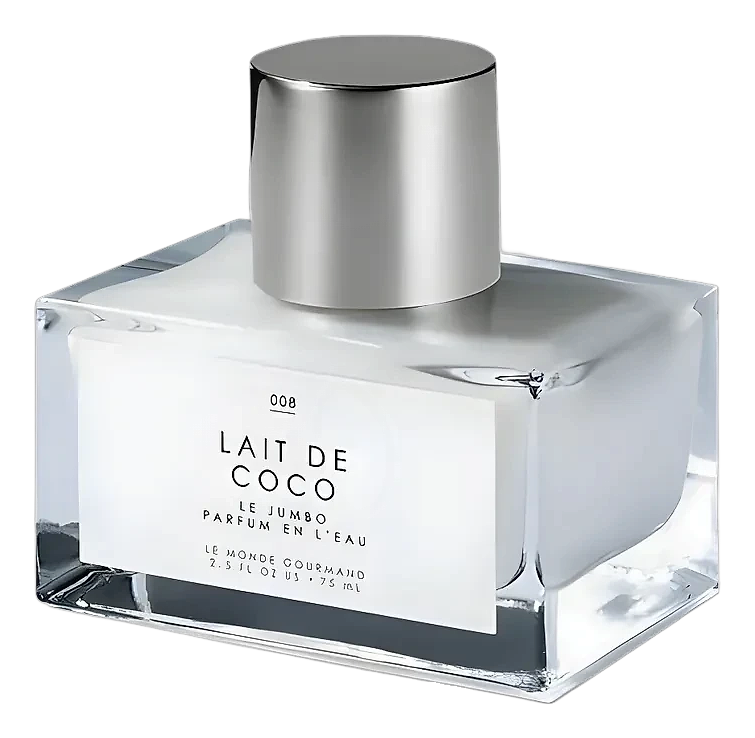
Seven top notes, papaya, pineapple, orange, coconut, watermelon, lime, bergamot, read as abundance, not clutter. The key is ginger. It threads through the heart alongside hibiscus and tiare, adding a clean heat that prevents the composition from collapsing into sweetness. The cacao in the base does something unexpected. It brings a faint darkness beneath the amber and benzoin, a shadow that makes the tropical notes feel earned rather than easy.
The evolution
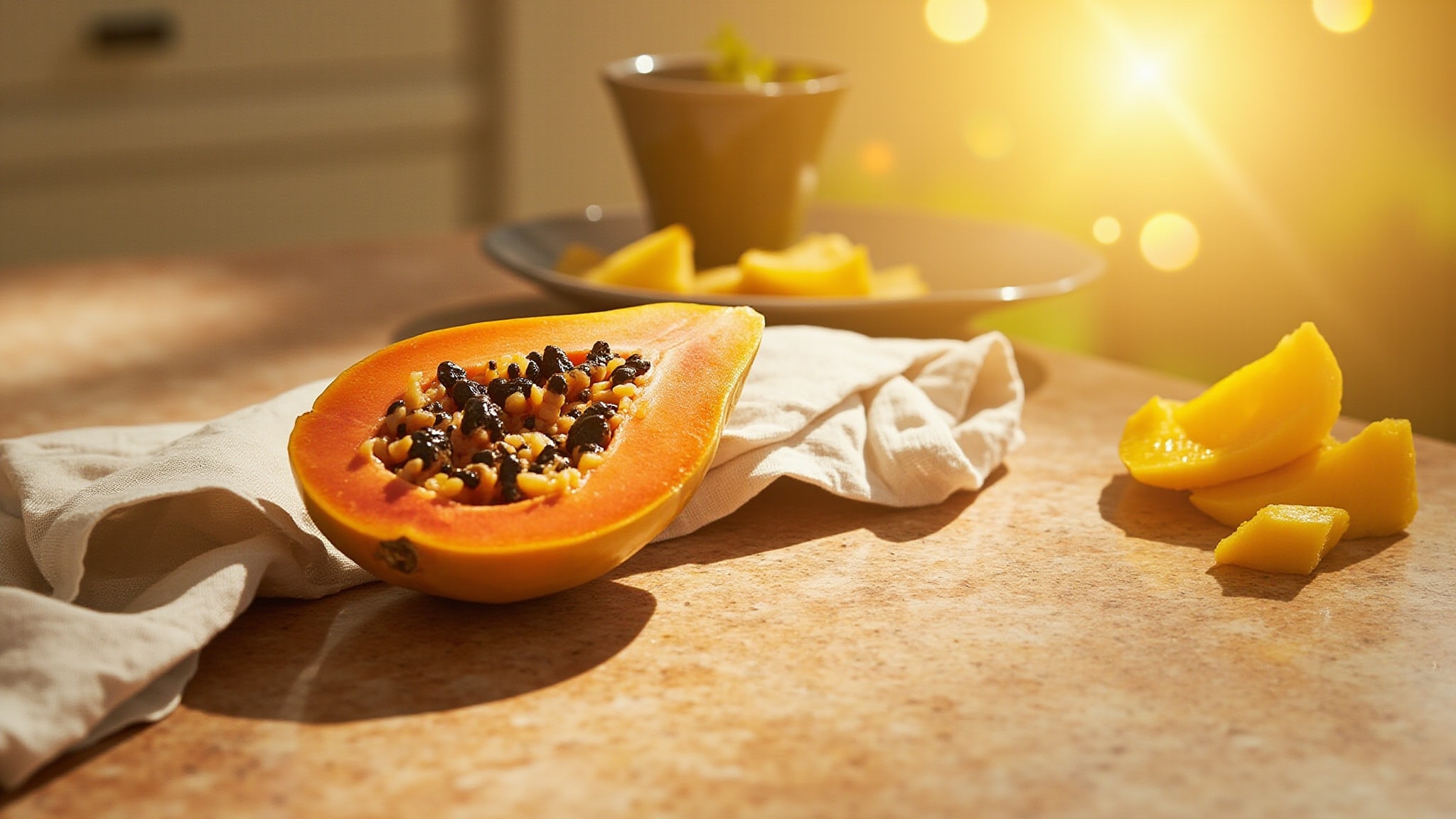
Papaya and watermelon arrive immediately, sticky-sweet and slightly green, brightened by lime and bergamot. Coconut hovers underneath, soft and creamy. This opening is the beach memory: sticky fingers, salt air, golden hour light. It lasts about an hour before the heart takes over. Mango emerges next, sweeter and rounder than papaya. Hibiscus and tiare add tropical floral depth without indoles. The ginger keeps everything honest, clean heat, not fire. Kiwi and mango blur together, soft and slightly tart. The heart holds for one to two hours. Amber and benzoin anchor the drydown. Tonka bean adds creaminess, cacao adds unexpected depth, a whisper of dark beneath the sweet. Oakmoss lingers at the edges, earthy and grounding, stopping the composition from floating away entirely. The drydown lasts three to four hours. On fabric, it hangs around for days.
Cultural impact
Pahuna Pakele arrived at a moment when independent perfumers were reshaping the fragrance landscape beyond conventional Western scent families. The word 'Pahuna' itself, meaning 'guide' or 'leader' in Nepali, a nod to Juliet Rose's South Asian heritage, signals a deliberate move toward multicultural representation in niche perfumery. Where tropical fragrances often default to beach clichés or mass-market coconut linearity, this composition threads ginger and cacao through its heart and base, creating a spiced warmth that reads as artisanal rather than generic. The 2019 launch coincided with growing consumer appetite for small-batch, cruelty-free perfumes that prioritize story alongside scent.