Kiwi
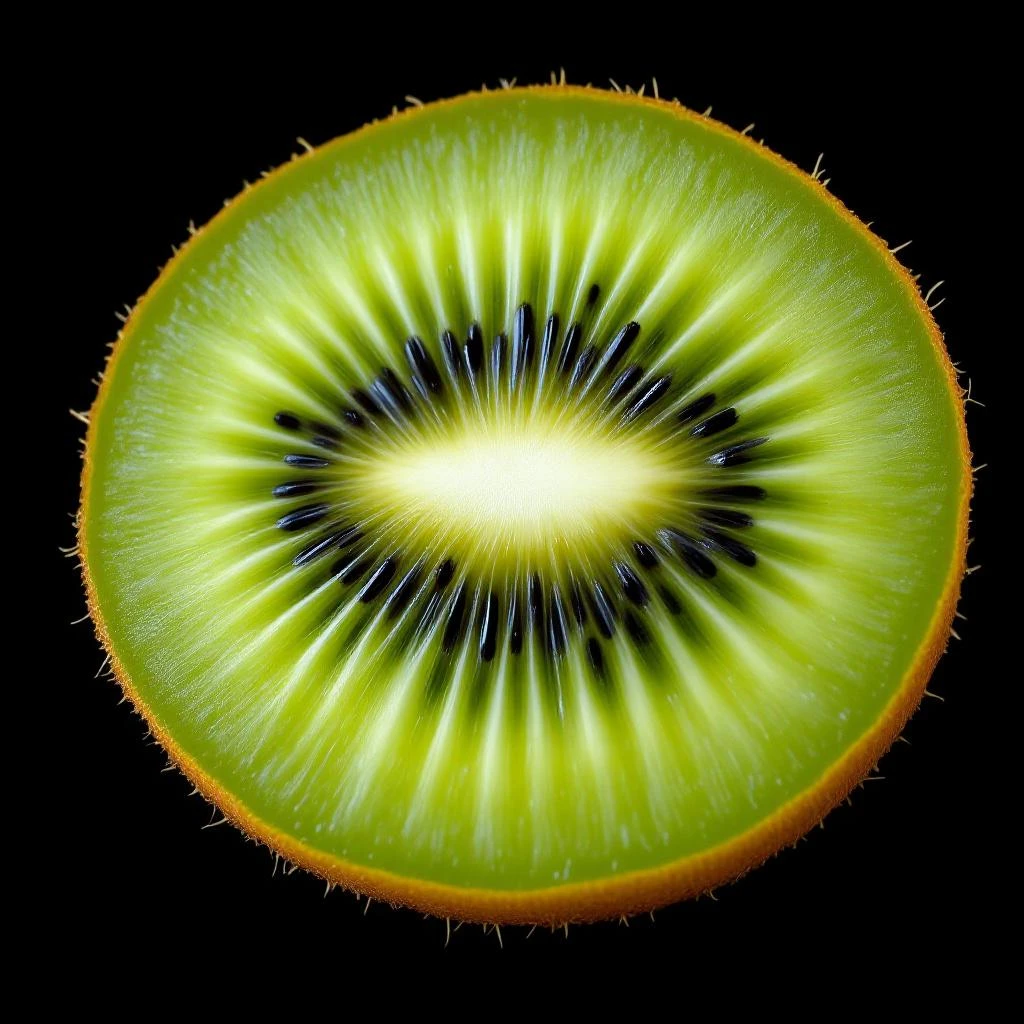
Kiwi brings a bright, tangy-sweet aroma to perfumes, enriching fruity and floral compositions. Also known as Chinese gooseberry, this ingredient captures the refreshing essence of summer in a bottle.
Character
How it smells
Bright, tangy sweetness that captures summer's freshness.
Despite its name, kiwi originated in China, where it grew wild along the Yangtze River for centuries before becoming a global favorite.








Origin
China
The kiwi's journey from wild Chinese vine to global sensation spans centuries. Originally known as Chinese gooseberry, it grew wild along the Yangtze River long before anyone imagined its commercial potential.
New Zealand horticulturists recognized its potential in the early 20th century, developing it into a commercial crop and giving it the name that would stick worldwide. The fruit reached international markets mid-century, and perfumers soon followed, drawn to its fresh, vibrant character.
While kiwi itself entered perfumery relatively recently compared to ancient ingredients like frankincense or rose, its rise mirrors the broader post-war fascination with fruity accords. Modern perfumery embraces kiwi as a staple of bright, youthful compositions, bringing a slice of contemporary food culture into the fragrance world.
Wears it best
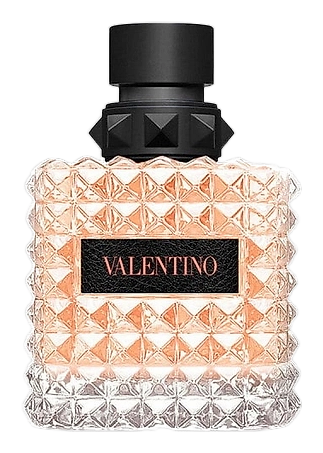
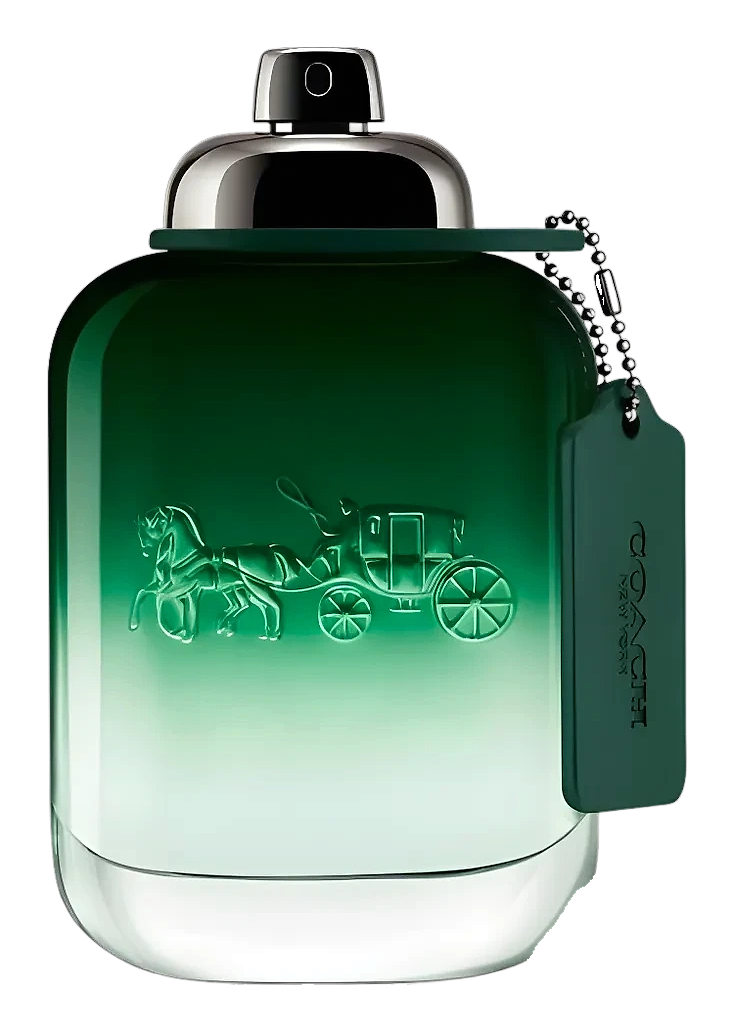
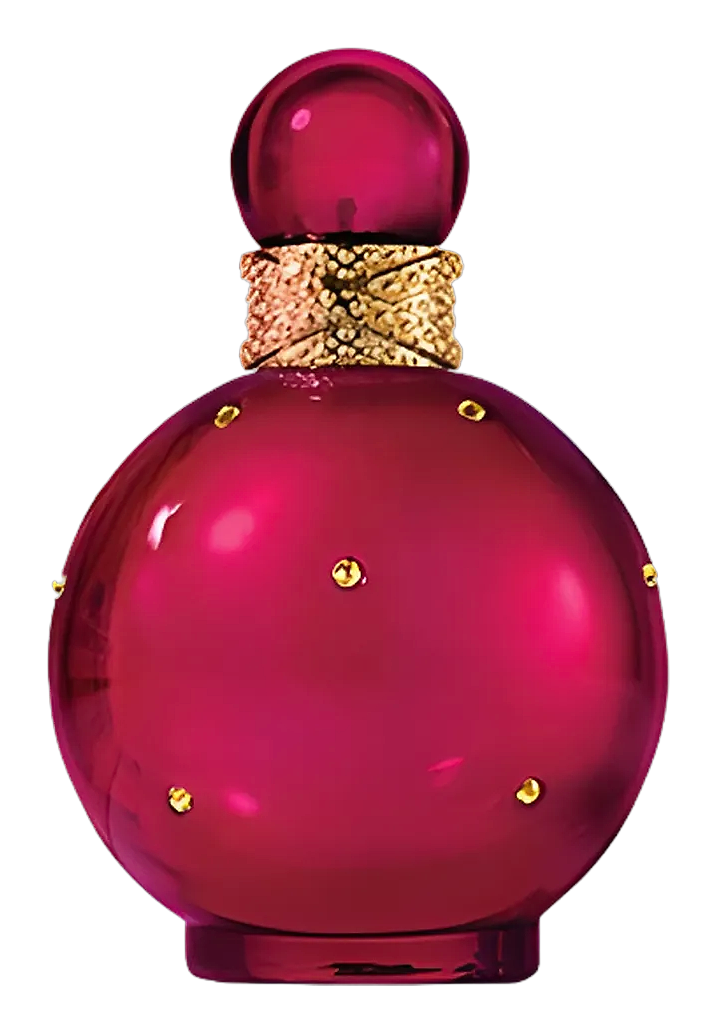
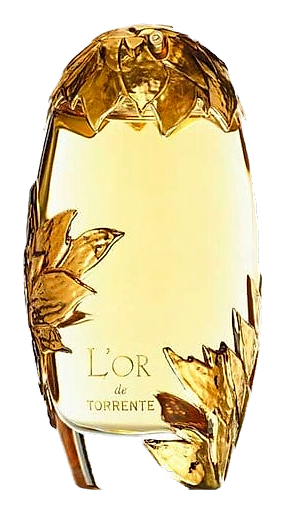
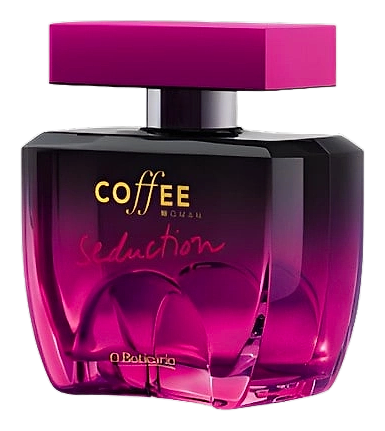
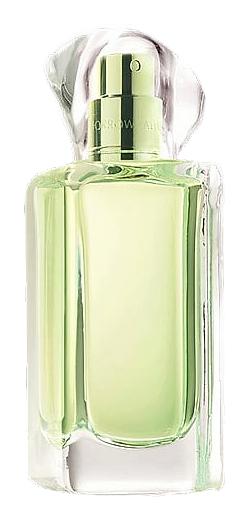
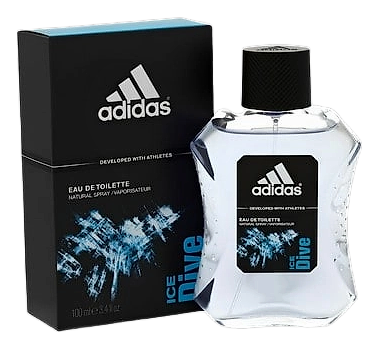
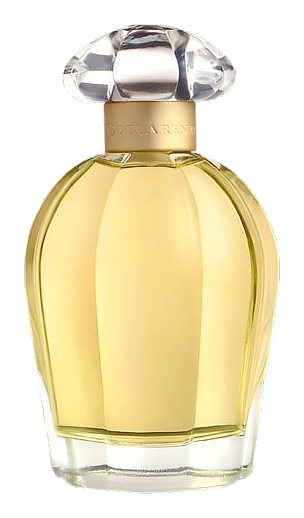
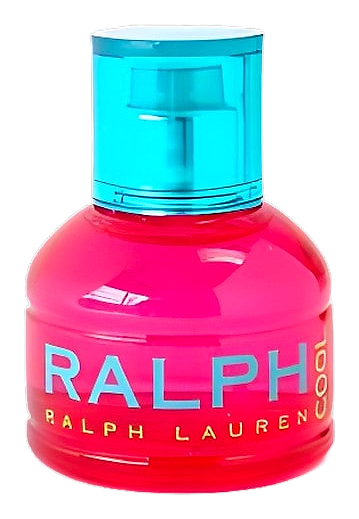
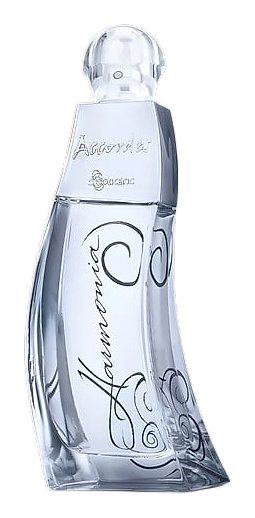
Fragrances featuring Kiwi

Brands
Brands known for Kiwi
Good to know
Questions, answered
The essentials on Kiwi in perfumery: how it smells, where it comes from, and how it behaves on skin.
Is kiwi a natural or synthetic ingredient in perfumery?
Kiwi is almost always synthetic in perfumery. Natural kiwi contains too much water and too few aromatic compounds for practical extraction, so perfumers recreate its bright, tangy scent using laboratory-synthesized molecules.
What does kiwi smell like in a perfume?
Kiwi accord smells bright, tangy, and sweetly green with a slightly tart finish. It adds energy and freshness to fruity compositions, often appearing alongside notes like melon, pear, and strawberry.
How do perfumers create the kiwi scent?
Perfumers blend specific molecules like aldehydes and esters to construct a kiwi-like aroma. They use solvent extraction and supercritical CO2 methods to isolate compounds from related botanical sources when building their accords.
What type of fragrances feature kiwi notes?
Kiwi appears most often in fruity, fresh, and unisex fragrances. You will find it in summer perfumes, body mists, and lifestyle products targeting younger demographics.
Which extraction methods work best for fruity fragrance ingredients?
Solvent extraction and supercritical CO2 methods are standard for fruity notes. These techniques isolate aromatic compounds without the heat that can damage delicate scent molecules.
How did modern perfumery change the availability of fruit notes like kiwi?
Modern perfumery began in the late nineteenth century with commercial synthesis of aroma compounds. This allowed perfumers to create consistent fruit notes that were previously difficult or impossible to extract naturally.
What fruits are similar to kiwi in fragrance composition?
Kiwi shares aromatic qualities with melon, pear, and strawberry. Its green, tangy character sets it apart, though perfumers often pair it with these related fruits for layered effects.
Can perfumers match the exact taste of real kiwi fruit?
Perfumers can closely approximate kiwi's aromatic profile through precise molecule blending. Synthetic accords capture its characteristic green, tangy notes but represent an artistic interpretation rather than an exact duplication.