
The Story
Why it exists.
The beginning
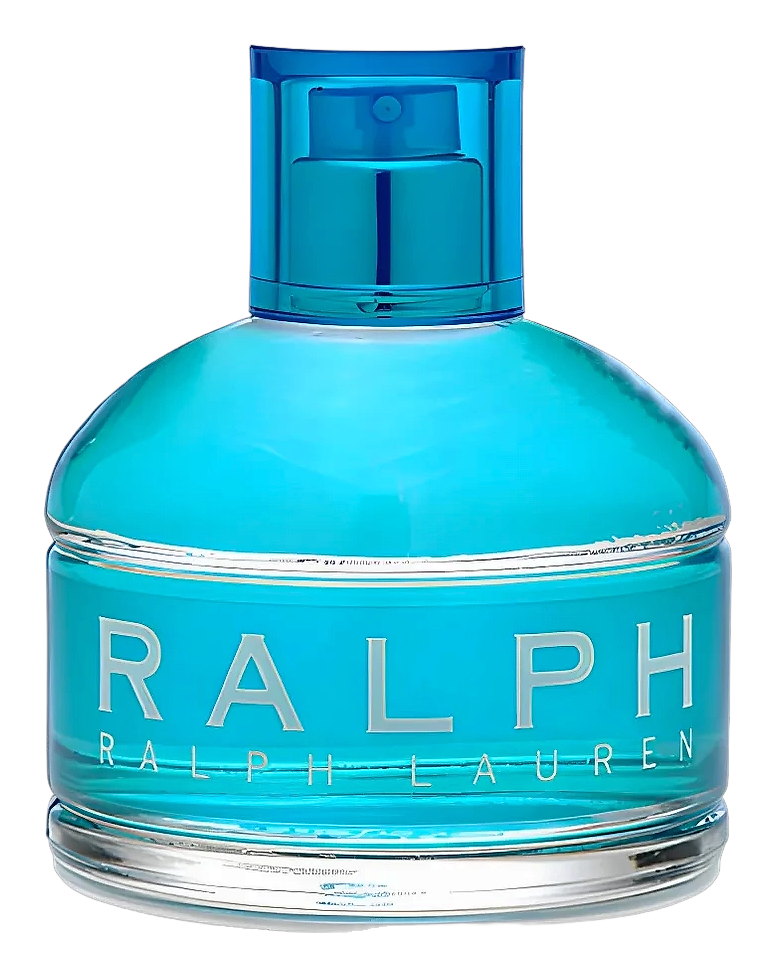
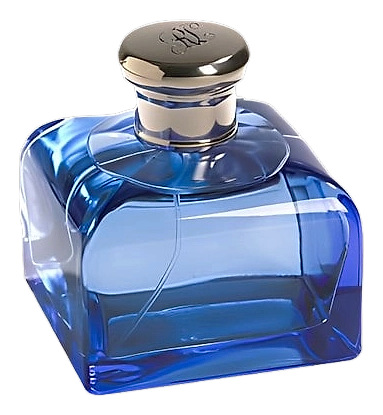
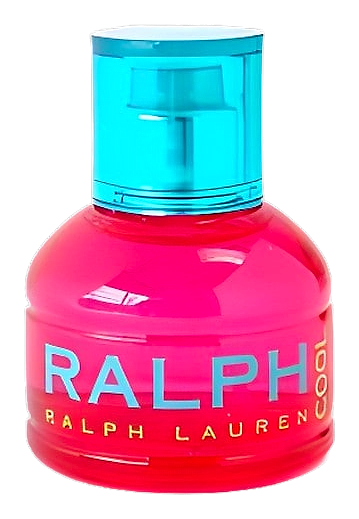
Ralph Cool arrived in 2004. Perfumers David Apel and Pierre Negrin worked to capture cool as a physical sensation, not just an adjective. The name said it plainly. The fragrance opens with an immediate cold snap, cucumber and watermelon hitting together with crisp clarity. Kiwi adds a subtle tartness that keeps the opening from leaning sweet. As the heart phase develops, honeysuckle takes over, jasmine adds body, and linden bud provides a green lift. The base settles close to the skin with musk and vetiver, grounded and slightly woody. It's a fragrance that earns its name, delivering a sense of physical coolness from first spray through the drydown.
What makes this structure interesting is how deliberately it inverts expectations. Most fruity-florals lead with sweetness and let the freshness arrive as a cameo. Ralph Cool opens with the most aggressively cool top notes it could find, then spends the heart and base slowly warming that chill into something floral and skin-like. The honeysuckle-linden combination is unusual, linden doesn't show up in many compositions, and its honeyed, slightly green character keeps the heart from feeling conventional. The vetiver in the base is doing real work too, keeping the drydown from going fully powdery and instead anchoring it in something mineral and green.
The evolution
The opening is a cold snap. Cucumber and watermelon hit together, almost medicinal in their crispness, not harsh, but immediate. The melon softens and the kiwi arrives, a little sweeter, a little rounder. The honeysuckle is already there in the wings, waiting. By the heart phase, the florals take over in earnest. Honeysuckle dominates, jasmine adds body, and the linden bud gives it a green, almost citrus-adjacent lift that keeps everything feeling outdoors. The lily of the valley adds a quiet cleanliness that doesn't shout. Then the base settles in. Musk and vetiver, close to the skin, grounded and slightly woody. It doesn't project far, moderate sillage, true to the data, but it lingers on skin and holds on fabric for extended periods, a quiet reminder that carries through the day.
Cultural impact
Ralph Cool was discontinued, and that's the thing people mention first. Not the scent, the fact that it got away. It has the kind of quiet cult status that discontinued fragrances accumulate over time, the kind where someone smells it on a stranger and has to stop them to ask what it is. The ozonic-fruity-white floral combination still feels fresh today. Wearers who remember it describe it as something specific, a combination of notes that felt uncomplicated and right. That it stopped being made only added to its appeal.
The House
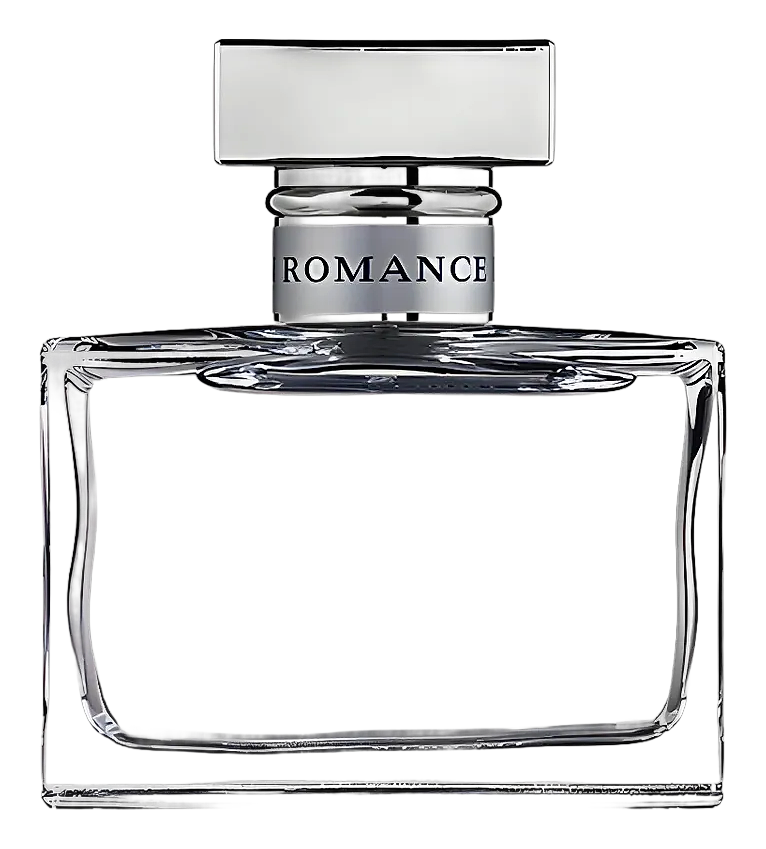
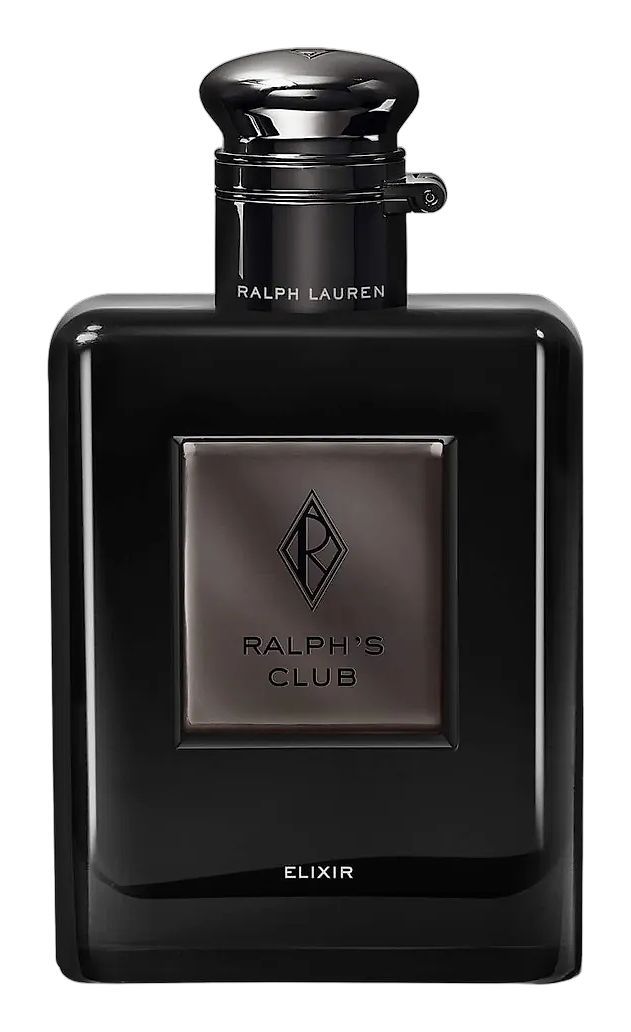
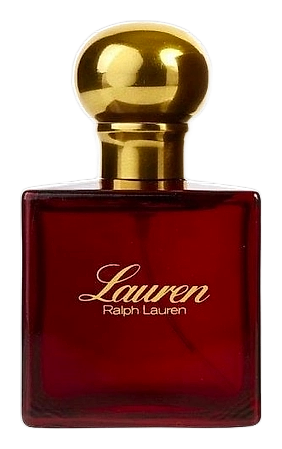
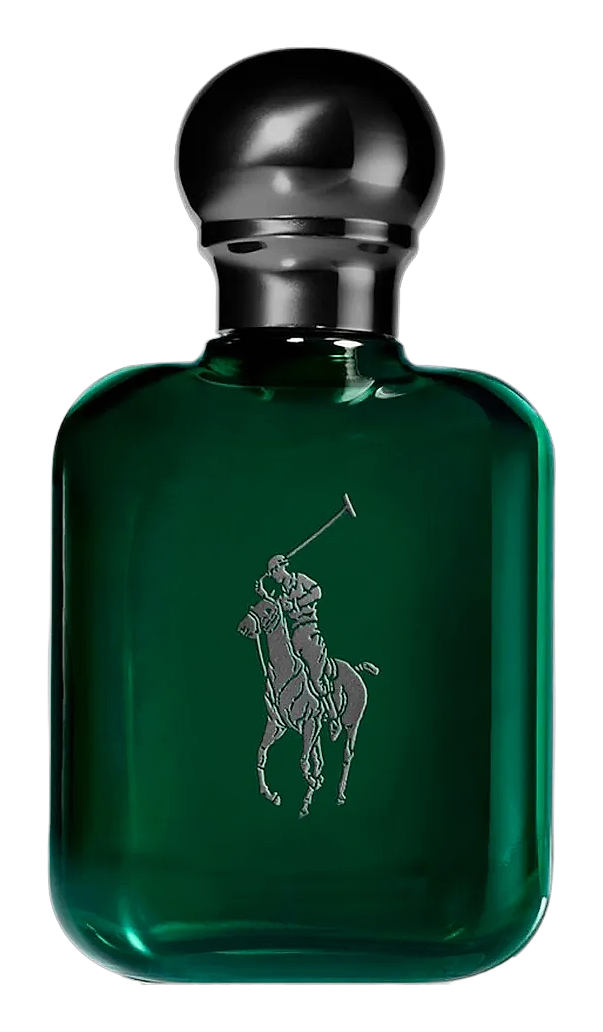
Ralph LaurenRalph Lauren is the quintessential American luxury brand that transformed a $50,000 tie business into a global lifestyle empire. Founded in 1967 by Ralph Lifshitz, a Bronx-born son of Jewish immigrants, the house virtually invented the concept of 'lifestyle' branding. Their fragrance portfolio captures that same all-American spirit, from the rugged masculinity of Polo (1978) to the romantic elegance of Romance (1998). Each scent reflects Lauren's vision of timeless style, whether it is the preppy confidence of the original Polo or the modern sophistication of Ralph's Club. The brand licenses its fragrances through L'Oréal, bringing accessible luxury to a worldwide audience while maintaining that distinctive Ralph Lauren polish.
The Creator
David Apel & Pierre NegrinApel's style draws from over four decades of experience across the industry's most respected houses. His background in chromatography gave him an exceptional understanding of raw materials and their behavior in formulation.