
The Story
Why it exists.
The beginning
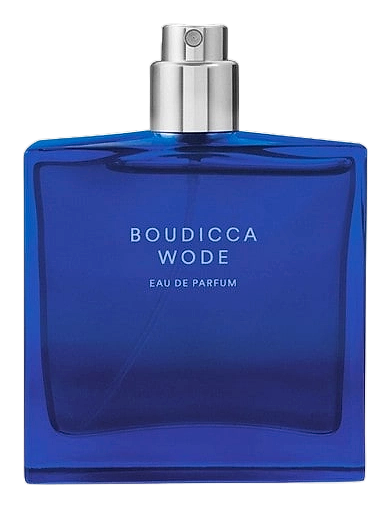
Boudica, the Celtic queen who rode against Rome with her face painted woad-blue, the ancient dye of warriors, became the unlikely namesake for a fragrance in 2014. Geza Schoen was drawn to the contrast: a queen who refused surrender, translated into scent. The fragrance doesn't flinch from that energy. It opens herbal and bright, then settles into something deeper, more animalic, as if the battle had already been won and the day was settling into its aftermath.
The composition leans heavily into aromatic herbs, juniper, clary sage, angelica, alongside a calculated dose of cumin in the heart. Cumin is divisive by design. Here it doesn't apologize for itself. It arrives as part of the story: warmth, skin, the human body at work or at rest. The saffron amplifies this, adding a dusty, ancient spice that threads between the florals. Tuberose and jasmine bring white floral sweetness, but it's a restrained sweetness, the leather and tobacco in the base ensure nothing becomes decorative.
The evolution
The opening hits bright and almost clinical, bergamot, juniper, a watery coolness underneath the herbs. It reads medicinal for the first ten minutes, sharp enough to clear a room before softening into something warmer. The transition isn't gradual. Cumin announces itself as the cool notes recede, and suddenly the fragrance feels like it's been on skin for hours rather than minutes. The florals, jasmine, tuberose, a whisper of rose, arrive in this warm, slightly animalic environment, creating a contrast between the cool top and the warm heart. The drydown is where the real character emerges: leather, white tobacco, castoreum settling into the skin. Cedar and sandalwood provide structure, but it's the opium and styrax that give the finish its resinous, slightly dirty depth. Oakmoss adds a vintage quality that some find polarizing. On fabric, this lingers into the next day.
Cultural impact
Boudicca Wode occupies an unusual position: a fragrance that courts dislike as much as admiration. The animalic base, castoreum, cumin, opium, creates a scent that some find mesmerizing and others find off-putting, often on the same first encounter. It's the kind of fragrance that sparks conversation. The aromatic herbal opening reads as distinctly British, evoking a cool, green landscape rather than Mediterranean warmth. Community feedback shows it divides opinion along predictable lines: those who appreciate its boldness and complexity love it deeply, while those expecting a conventional woody fragrance find it challenging. This division may be intentional, Boudica herself was not a figure designed to inspire universal approval.