Opium
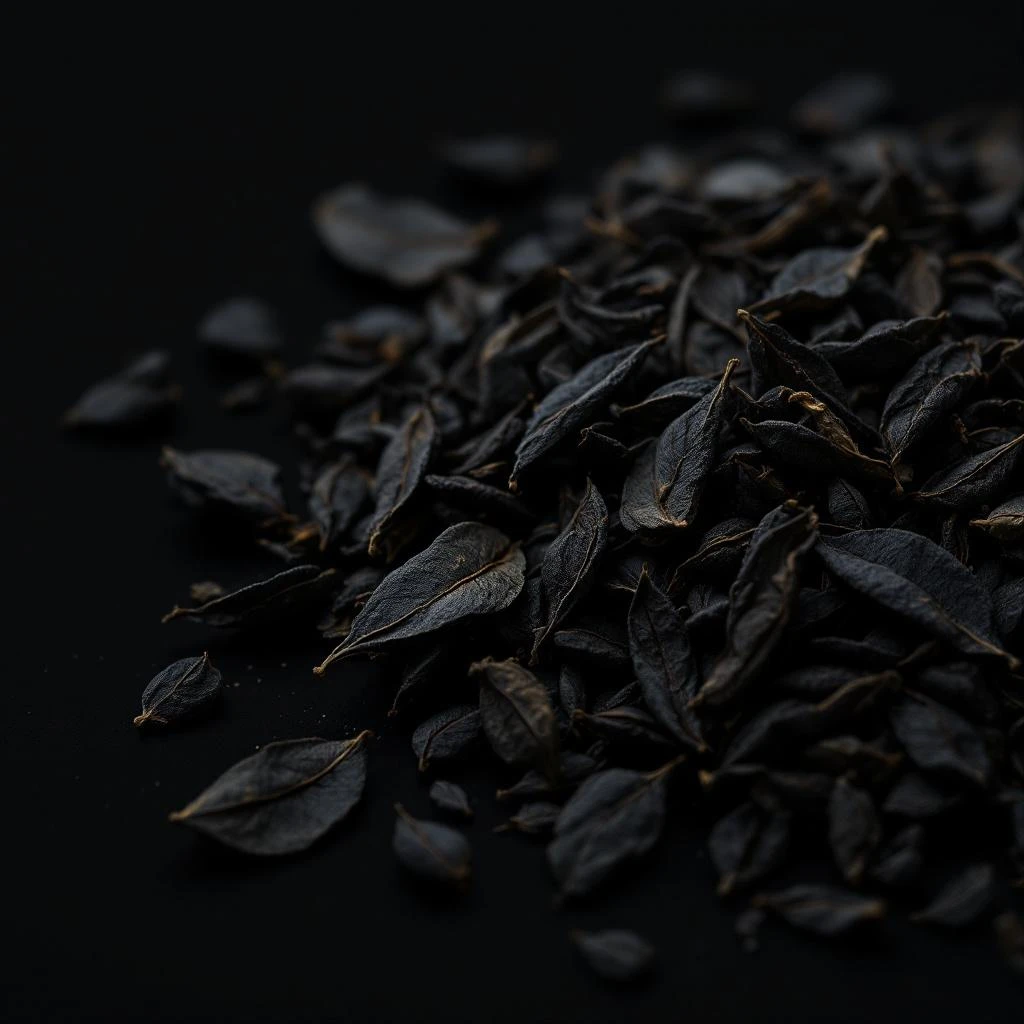
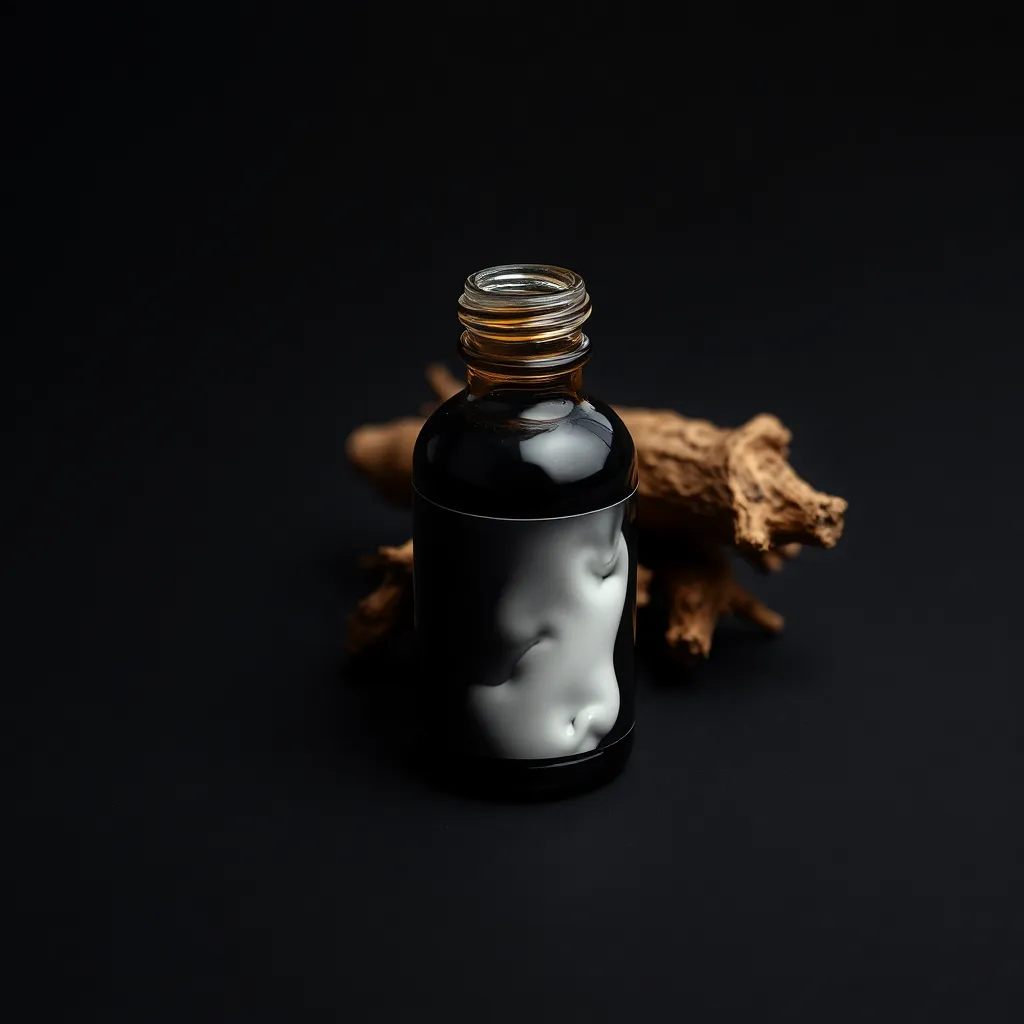
Opium, a resinous note drawn from the dried latex of the poppy, offers a smoky, slightly bitter warmth that anchors oriental blends and lingers with a subtle fruit undertone.
Character
How it smells
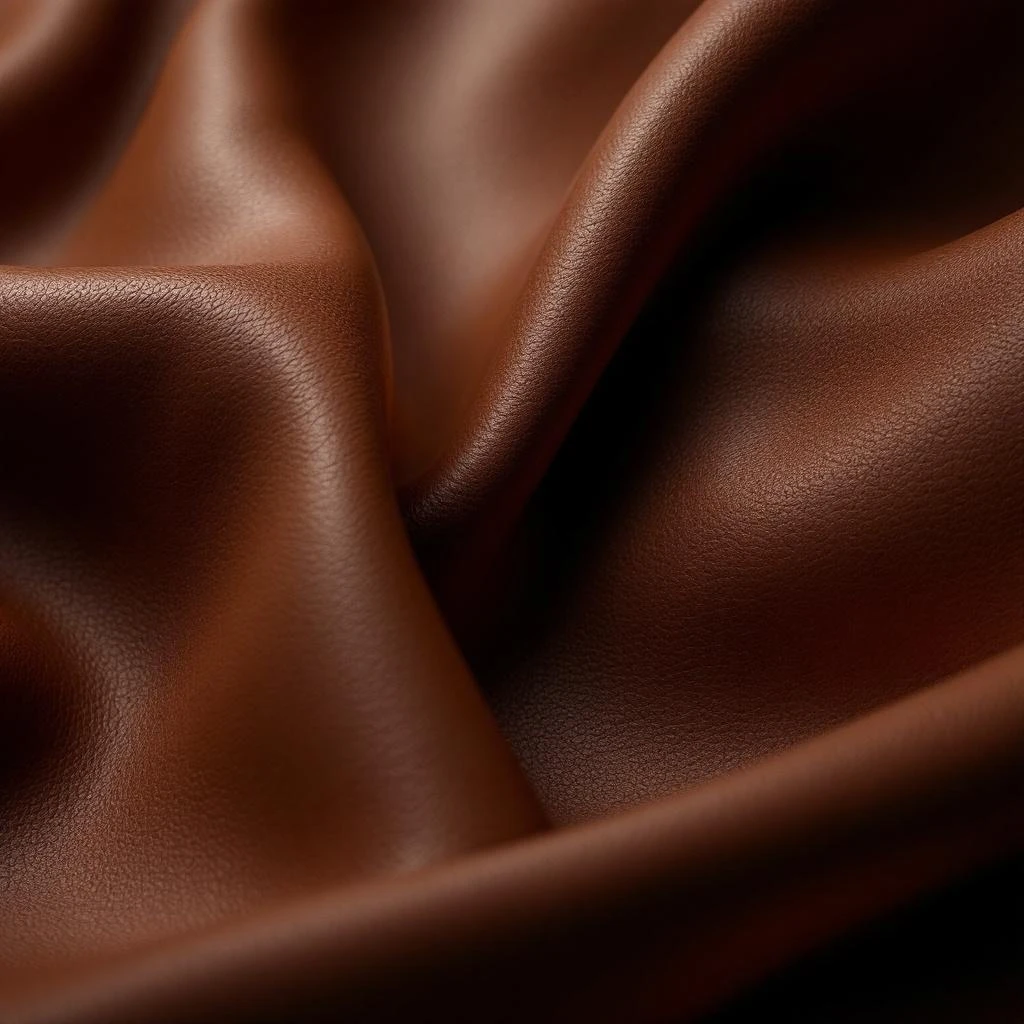
Smoky resin with a bitter‑sweet edge.
Despite its illicit reputation, opium’s aromatic gum has been used in perfumery since ancient Egypt, where priests burned it as incense to accompany sacred rites.








Origin
Afghanistan
Opium’s fragrant history stretches back over four millennia. Archaeologists uncovered opium residues in a 3,400‑year‑old Mesopotamian tomb, indicating that early priests burned the dried gum as incense during rituals. Egyptian texts describe the plant as a gift of the goddess Isis, used to scent temples and embalming chambers.
By the medieval period, Arab alchemists refined extraction techniques, separating the aromatic resin from the narcotic alkaloids for use in luxury perfumes. The 19th century saw the first commercial distillation of opium’s volatile oils in France, where perfumers incorporated the smoky note into oriental compositions. In 1977 Yves Saint Laurent launched a flagship fragrance named Opium, pairing the resinous accord with spices and florals; the launch sparked both acclaim and controversy, cementing the note’s reputation as daring and exotic.
Today, the opium note appears in niche and mainstream scents, often recreated with synthetic substitutes to meet modern regulations while preserving its historic allure.
Wears it best
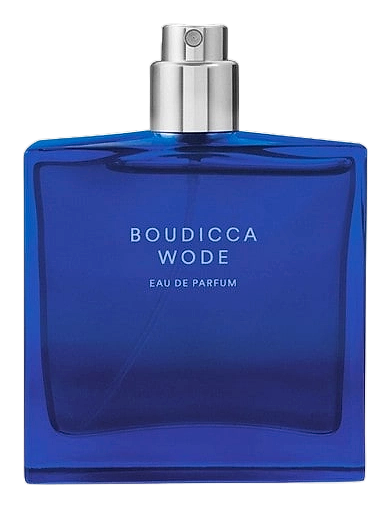
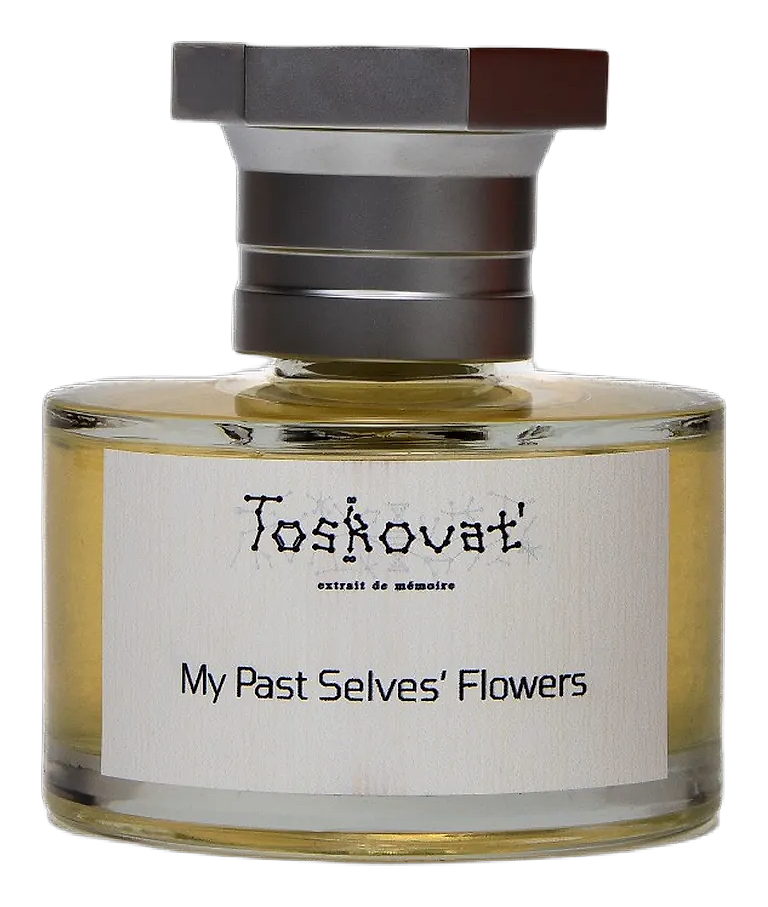
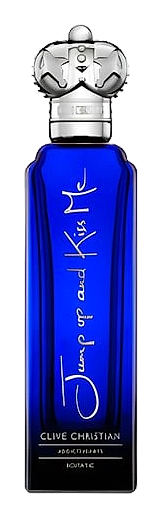
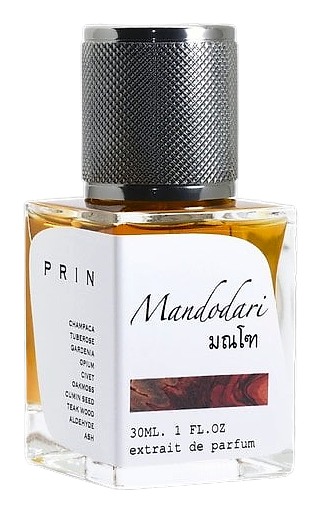
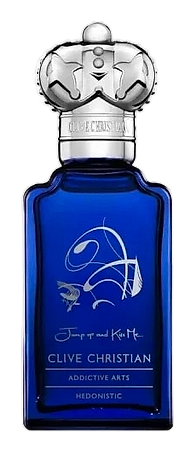
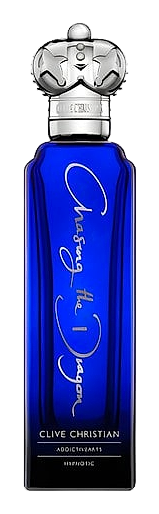
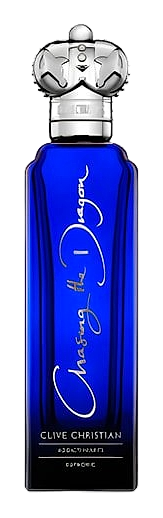
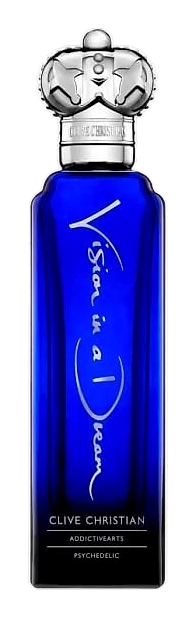
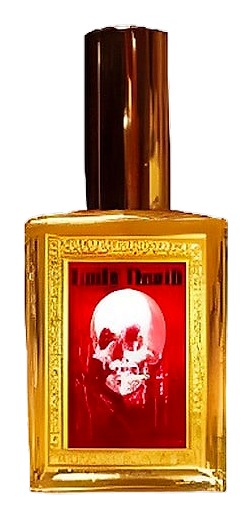
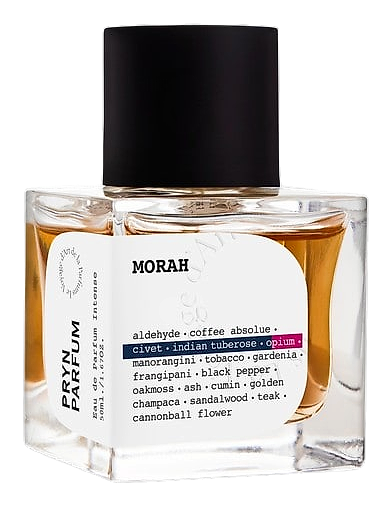
Fragrances featuring Opium

Good to know
Questions, answered
The essentials on Opium in perfumery: how it smells, where it comes from, and how it behaves on skin.
What is the primary scent character of the Opium note?
Opium delivers a deep, resinous warmth with hints of dried fruit and smoky spice. A 2022 analysis measured its main volatile compound, isovaleric acid, at 3.4% of the oil. The note anchors oriental blends and adds a lingering, slightly bitter edge that persists on skin for hours.
Is Opium used directly in modern perfumery?
Modern perfumers rarely use raw opium; they prefer regulated extracts or synthetics. In 2021 the International Fragrance Association recorded that only 0.7% of registered ingredients were natural opium extracts. This low share reflects both legal constraints and the consistent performance of lab‑crafted alternatives.
How is Opium harvested from the poppy plant?
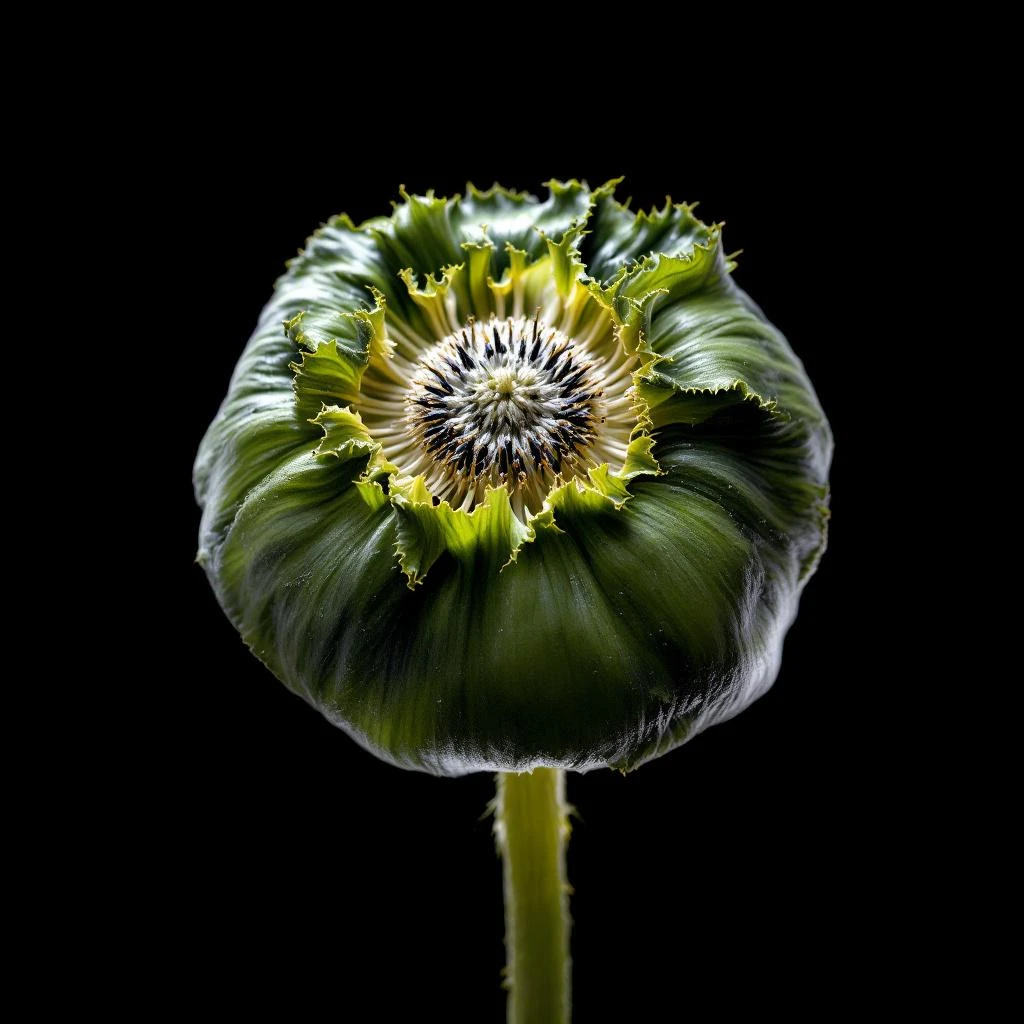
Harvesters score the poppy seed pod and make shallow incisions to release latex. A typical field yields about 20 kg of dried opium per hectare, according to a 2019 UN report. The collected gum then dries in the sun before being packaged for further processing.
What regulations affect Opium as an ingredient?
Opium falls under Schedule I narcotics in most jurisdictions, limiting its fragrance use. The United Nations Single Convention of 1961 classifies raw opium as a controlled substance, requiring special permits for any commercial handling. Consequently, most brands substitute a synthetic analogue commonly.
Which regions produce the highest quality Opium for fragrance?
Afghanistan supplies the bulk of world opium, but high‑altitude valleys in the Hindu Kush produce the most aromatic gum. A 2020 study found that poppy grown at 1,500 m altitude contained 12% higher levels of aromatic terpenes than lowland crops. These terroir‑driven nuances give the extract a richer, spicier profile.
How does synthetic Opium compare to natural extracts?
Synthetic analogs replicate the smoky, resinous profile without legal hurdles. The lab‑created molecule “Opiumine” matches the natural scent curve within a 5% variance, as shown in a 2023 comparative GC‑MS test. Perfumers favor it for consistency and ease of sourcing in production.
What safety considerations apply when handling Opium in a lab?
Handling opium requires protective equipment and strict record‑keeping. OSHA guidelines list a permissible exposure limit of 2 µg/m³ for morphine alkaloids, measured in a 2018 industrial safety audit. Workers wear nitrile gloves, respirators, and eye protection while processing the raw gum. The audit also noted that ventilation systems reduced airborne concentrations by 68% when properly maintained. Facilities that exceed this limit face mandatory shutdown until remediation.
Can Opium be blended with other notes without overpowering them?
Blend opium with bright citrus or soft florals to soften its intensity. A 2017 formulation trial demonstrated that adding 5% bergamot oil reduced perceived harshness by 22% in blind panel tests. This approach lets the smoky core shine without overwhelming the composition.