The Story
Why it exists.
The beginning
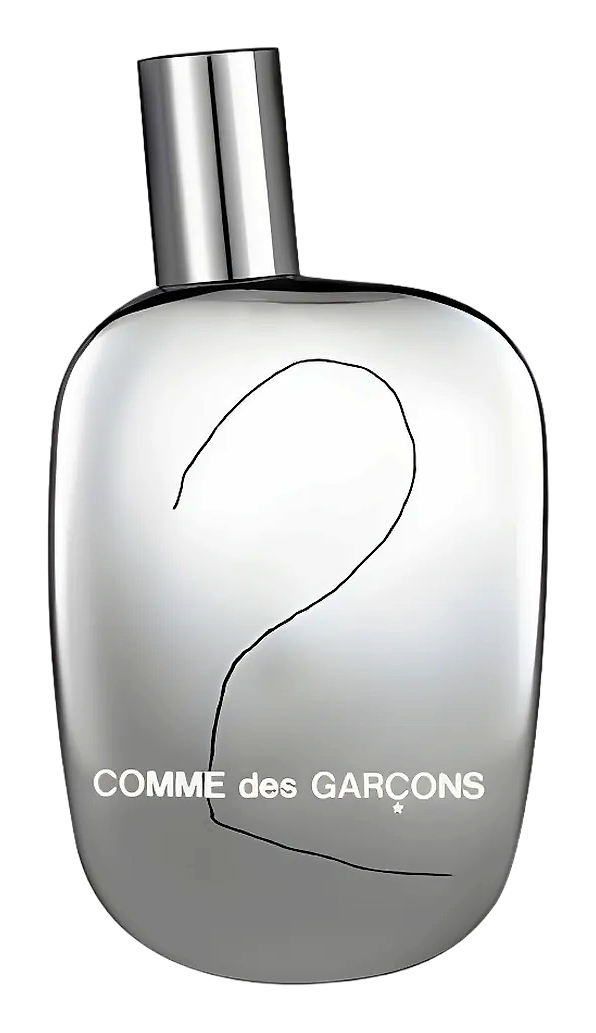
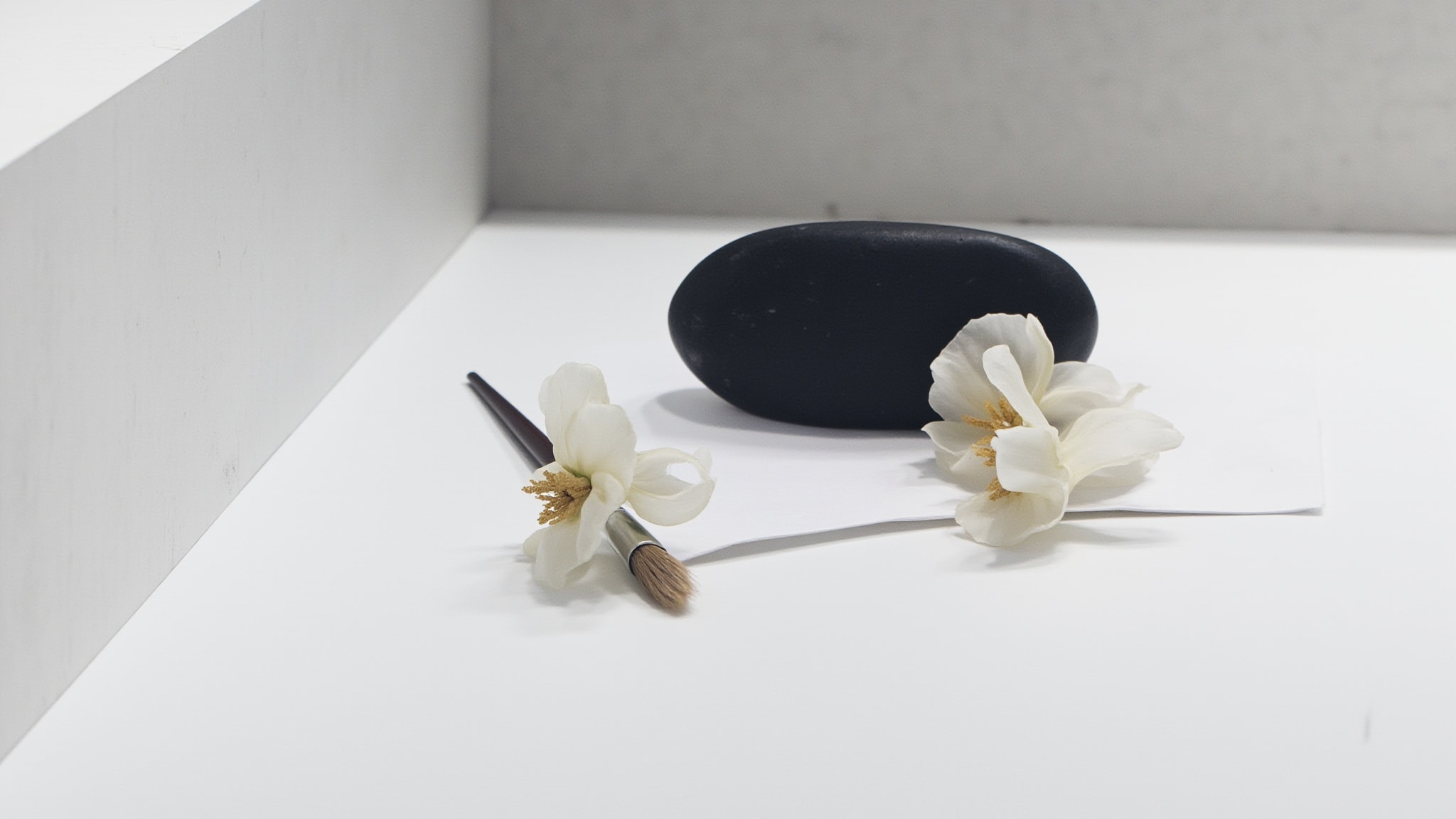
In 1999, Mark Buxton composed a fragrance that thinks in pairs. The Japanese art of calligraphy demands two sides, the light stroke and the dark ink, each defined by the other. No shadow without light. No mark without the blank page waiting. The composition strips itself to essential tension: aldehydes and citrus on one side, ink and darkness on the other, resolved into a single wearing. Neither side wins. That's the point. The aldehydes lift and brighten like light catching fresh ink, while the ink and magnolia absolute anchor something warmer, stranger beneath. Angelica root, mate, and green tea tumble through the opening alongside Mandarin orange, more pith than fruit. Spices, nutmeg, West Indian bay, caraway, coriander, read as warm and slightly savory rather than sharp or sweet.
Aldehydes are not a note, they're a technique. Wax-like, metallic, they lift and brighten like light catching the surface of fresh ink. Here they illuminate the opening: angelica root, mate, green tea, a Mandarin orange that is more pith than fruit. Below that surface, ink and magnolia absolute anchor the composition to something warmer, stranger. The heart adds nutmeg, West Indian bay, caraway, coriander, spices that read as warm and slightly savory rather than sharp or sweet. By the base, incense and labdanum provide a resinous depth that prevents any single element from dominating.
The evolution
The first thirty minutes announce themselves clearly. Aldehydes open metallic and bright, buzzing above the citrus and the green herbal tumble of angelica and mate. Not sweet. Not soft. Almost clinical in precision. At the one-hour mark, the ink reveals itself, warm and resinous, at odds with the brightness above. Magnolia absolute blooms beneath it, adding a floral sweetness that steadies the spices. The cedar and patchouli arrive as a dry foundation by the third hour, shifting the character toward deep, close warmth. Incense and vetiver linger in the final stage, close to the skin, faintly smoky, their presence felt long after the initial brightness has receded.
Cultural impact
Comme des Garçons 2 occupies an unusual position in the fragrance landscape. It stands apart from the aldehydic florals that defined earlier decades and the warm orientals that followed. The incense-and-ink core reads as unlike anything in a mainstream wardrobe. It attracts wearers who describe it as specific rather than broadly appealing, a fragrance chosen deliberately rather than stumbled upon in a retail setting. Those who connect with it tend to return to it repeatedly, finding something in its particular combination that more commercial options don't provide.