The Story
Why it exists.
The beginning
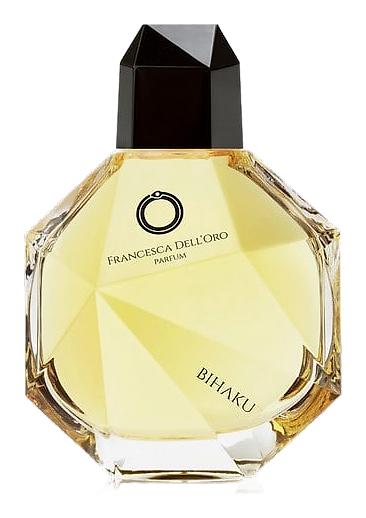
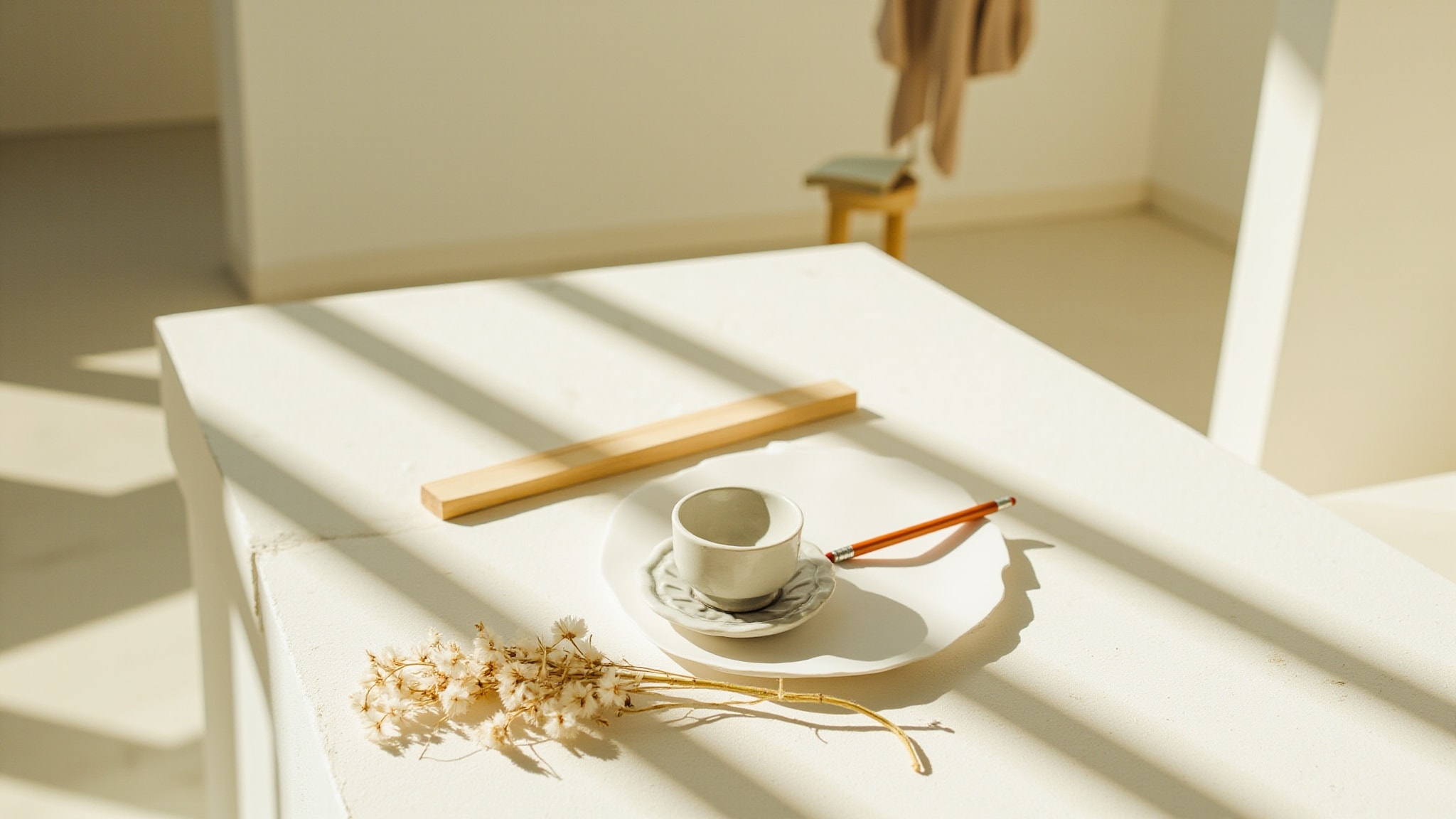
Bihaku launched in 2018 alongside OneMore, Christian Vermorel's two offerings for Francesca dell'Oro that year. Where OneMore leaned into addiction and carnality, Bihaku pulled in the opposite direction, toward something personal, introspective, stripped back. The name itself is the statement. Bihaku, meaning beautiful white in Japanese, is a term from the cosmetics industry describing the ideal of luminous, barely-pigmented skin, the beauty of restraint, of not trying too hard. The brief, as the brand framed it, was a return to origins, to roots, expressed through strictness and whiteness. Vermorel worked with that contrast: difficult materials, incense, wormwood, tobacco, shaped into something that doesn't tear or overwhelm. A fragrance for the person who stopped needing the room to notice them.
What makes this structure unusual is how the materials resist each other. Incense and tobacco usually demand center stage, their smoke takes over, their weight fills space. Here, the artemisia and chamomile work as counterweights, pulling the composition cool and herbal instead of warm and enveloping. The Sichuan pepper and thyme add freshness that keeps everything from settling too heavy. It's a composition that earns its restraint. The woody base, cedar, tobacco, woody notes, doesn't collapse into sweetness or warmth. It stays dry, almost austere. That's the whiteness the brand was after: not white in color, but white in feeling. Clean. Severe. Uncomplicated in the best way.
The evolution
The opening arrives sharp and cold. Sichuan pepper and thyme hit first with that characteristic tingle, while juniper adds a juniper-berry crispness underneath. The incense doesn't warm up, it stays blue and thin, the smoke of something burning far away rather than close. This cold-smoke phase lasts longer than expected, maybe ninety minutes, before the herbs start to soften. Chamomile shows itself quietly, adding a sweetness that almost reads as hay, while jasmine pushes through with faint warmth. Cedar begins its ascent. By hour three, the composition has shifted: incense is still present but has lost its cold edge, becoming instead something soft and clean, almost like the memory of smoke. The tobacco arrives last, not as a bold statement but as a quiet undercurrent alongside the cedar, dry, not sweet, not heavy. It stays close. Moderate sillage by then. What remains on skin by evening is a soft woody-tobacco haze that barely projects. On fabric, it lasts longer. The next morning, faint cedar. That's it.
Cultural impact
Bihaku sits at the quieter end of niche perfumery. Francesca dell'Oro released it in 2018 alongside OneMore, positioning the two as contrasts, one overwhelming, one restrained. Wearers describe it as the scent of someone who walks into a room and doesn't need to announce themselves. It has drawn comparisons to Trudon Mortel Noir, though Bihaku reads leaner and smokier. The fragrance doesn't shout for attention, it rewards the wearer who finds it.