    Brand Profile

    Francesca dell'Oro is an Italian niche perfume house that emerged in 2011 from the creative vision of a former haute couture and graphic‑des…More

    Italy·Est. 2011·Site

    2

    Fragrances

    3.7

    Rating

    Just Landed

    New Arrivals

    The latest additions to the Francesca dell'Oro collection.

    27
    Voile Confit by Francesca dell'Oro
    3.8

    Voile Confit

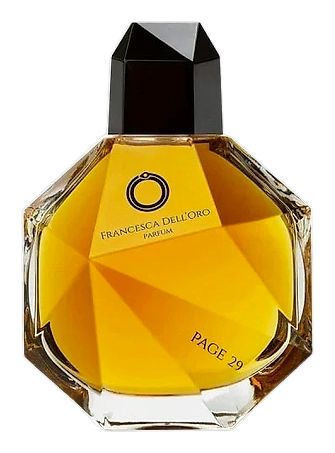
    Page 29 by Francesca dell'Oro
    3.6

    Page 29

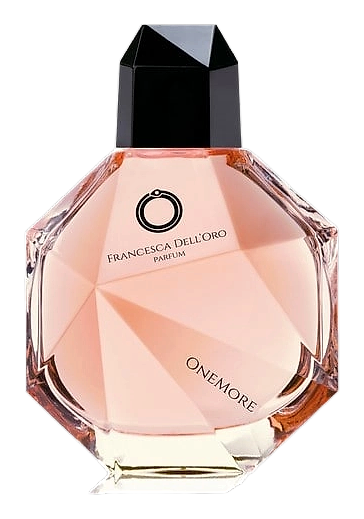
    OneMore by Francesca dell'Oro
    Best Seller
    4.0

    OneMore

    Vanille 08:00 by Francesca dell'Oro
    Best Seller
    4.0

    Vanille 08:00

    Ice Yasmill by Francesca dell'Oro
    Best Seller
    4.0

    Ice Yasmill

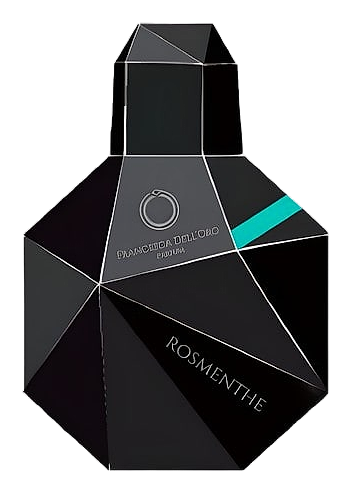
    Rosmenthe by Francesca dell'Oro
    4.0

    Rosmenthe

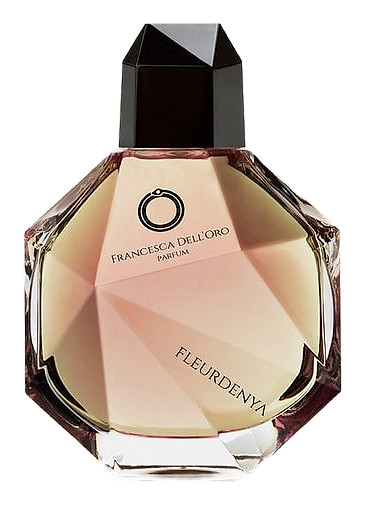
    Fleurdenya by Francesca dell'Oro
    3.9

    Fleurdenya

    Sainte +Figue by Francesca dell'Oro
    3.9

    Sainte +Figue

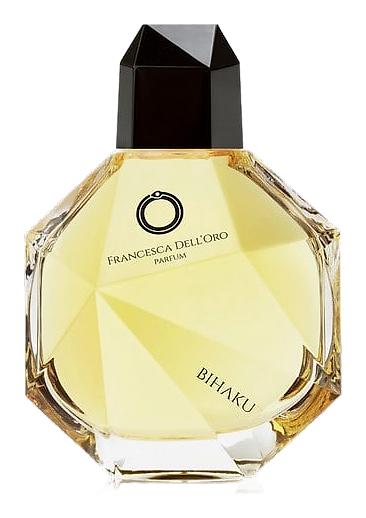
    Bihaku by Francesca dell'Oro
    3.9

    Bihaku

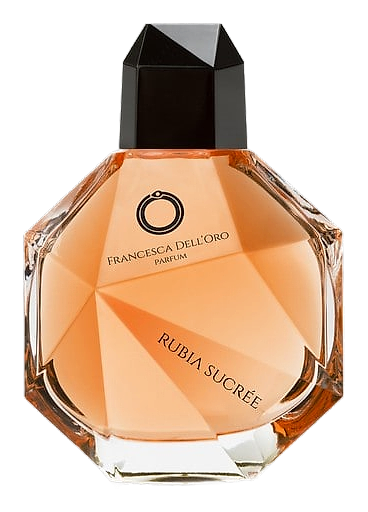
    Rubia Sucrée by Francesca dell'Oro
    3.9

    Rubia Sucrée

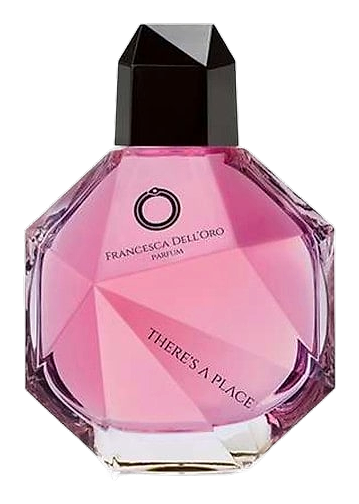
    There's a Place by Francesca dell'Oro
    3.9

    There's a Place

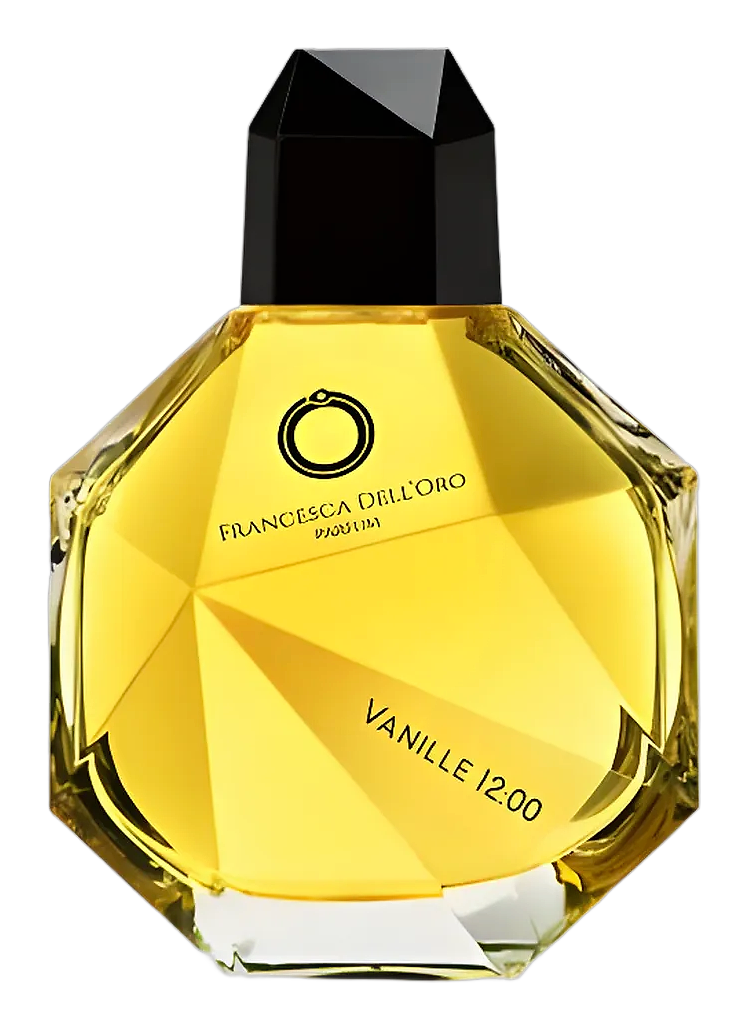
    Vanille 12:00 by Francesca dell'Oro
    3.8

    Vanille 12:00

    1 of 3

    The Heritage

    The Story of Francesca dell'Oro

    Francesca dell'Oro is an Italian niche perfume house that emerged in 2011 from the creative vision of a former haute couture and graphic‑design professional. The brand builds each scent as a personal narrative, offering a compact catalogue that includes OneMore (2018), Vanille 08:00 (2024) and a series of vanilla‑focused releases. Its bottles carry a restrained Italian aesthetic, while the formulas aim for depth and clarity without relying on mass‑market trends.

    Heritage

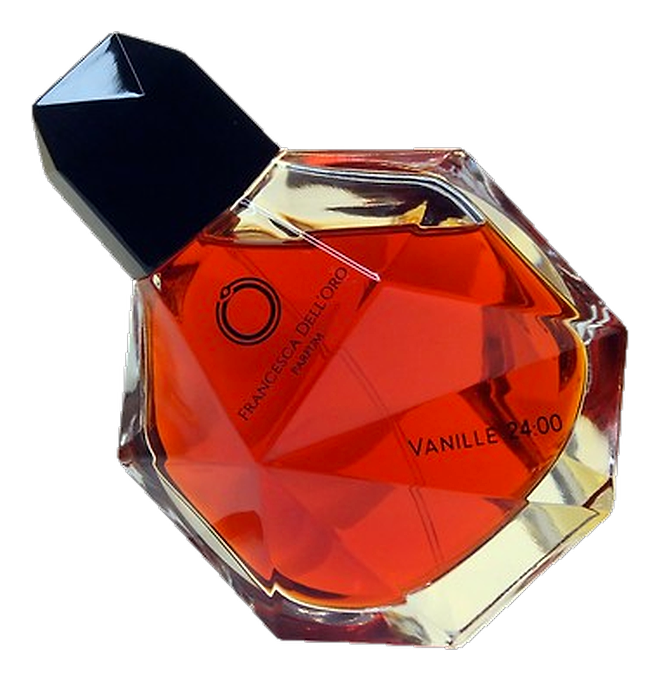
    Francesca Dell'Oro founded the eponymous perfume brand in 2011 after a career in haute couture, design and luxury retail. Sources from Fragrantica and independent fragrance blogs confirm that she grew up in Lecco, Italy, and studied graphic design before turning to scent. The first public launch arrived in 2015 with Fleurdenya, a floral composition that introduced the brand’s emphasis on storytelling through aroma. In 2017 the house expanded its range with three releases—Ice Yasmill, Rosmenthe and Rubia Sucrée—each exploring a distinct olfactory theme. The following year saw the debut of OneMore and Bihaku, marking the brand’s first foray into more experimental accords. 2022 brought Sainte +Figue, a fragrance that blended green fig notes with subtle spice, illustrating the house’s willingness to reinterpret familiar ingredients. The 2024 release Vanille 08:00 continued a growing vanilla collection that began with earlier vanilla‑centric scents, confirming a sustained interest in the sweet, creamy facet of perfumery. Throughout its first decade the brand has remained independent, producing limited batches and distributing primarily through boutique retailers and online specialty platforms. The founder’s background in fashion and graphic design informs each launch, with packaging and marketing materials reflecting a clean, modern Italian style. The brand’s evolution shows a steady cadence of new releases, each accompanied by a concise visual identity and a focus on high‑quality raw materials.

    Craftsmanship

    The production process at Francesca dell'Oro follows a small‑batch model that allows close oversight of each ingredient. Independent fragrance writers note that the brand works with established raw‑material suppliers to obtain high‑grade extracts, especially for its vanilla line, which features natural vanilla beans from Madagascar and Tahiti. Formulations are created in collaboration with external perfumers, although the brand does not publicly list specific names. Each fragrance undergoes a series of stability tests to ensure longevity and scent integrity over time. The house also invests in precise blending techniques, using temperature‑controlled environments to preserve volatile top notes while allowing base notes to mature. Quality control includes sensory evaluation by a panel that includes the founder, ensuring that the final product matches the original concept sketch. Bottles are filled by hand in a dedicated facility in Italy, a practice that reduces mechanical stress on the perfume and supports the brand’s emphasis on craftsmanship. The limited production runs mean that each release often sells out quickly, reinforcing the house’s focus on exclusivity through careful inventory management rather than aggressive marketing.

    Design Language

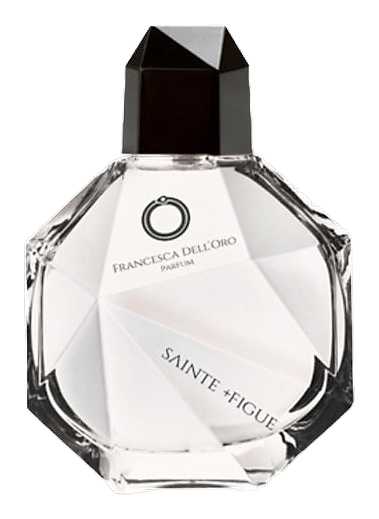
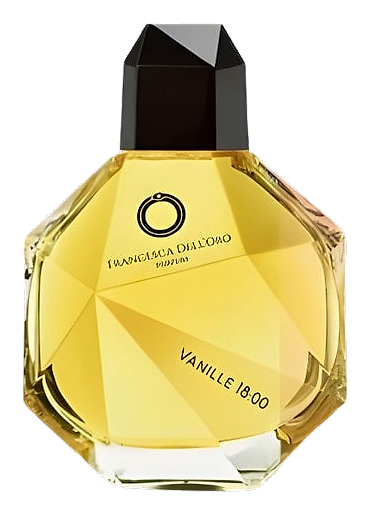
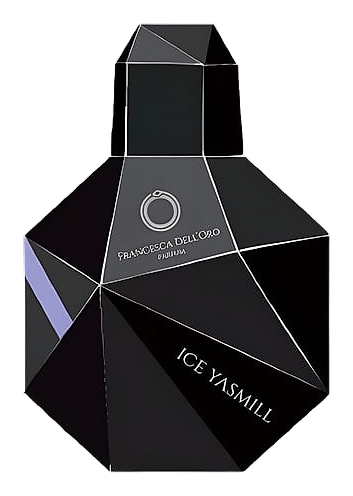
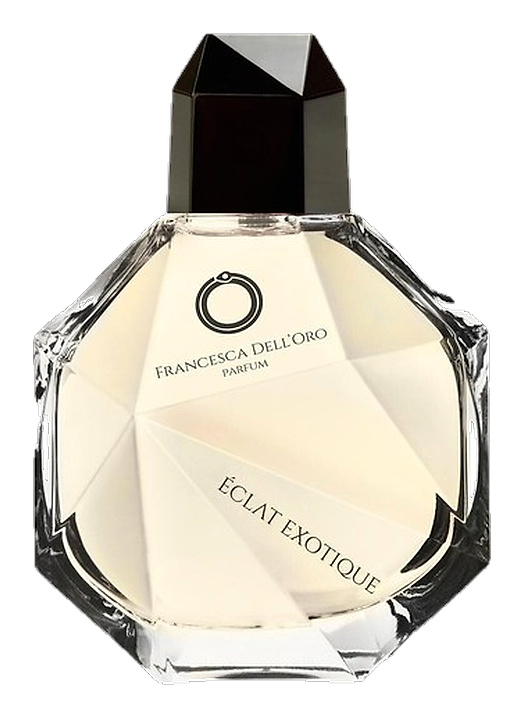
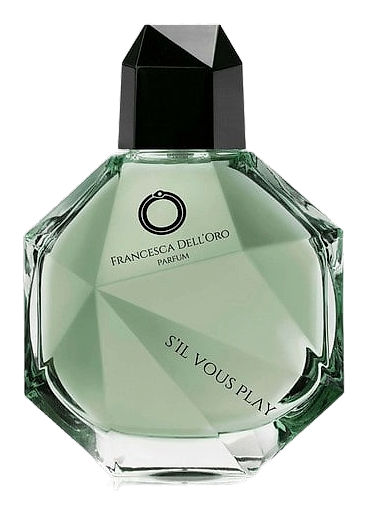
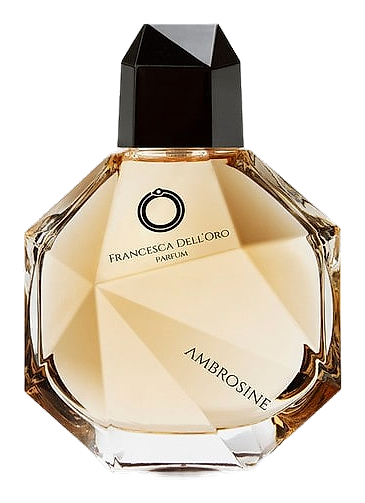
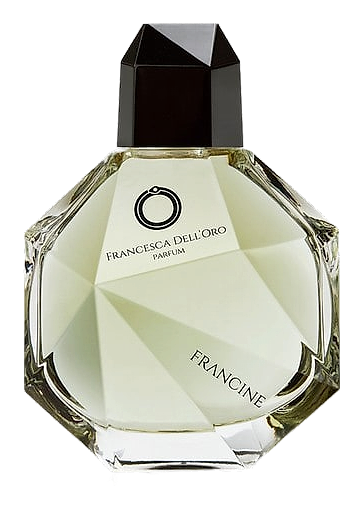
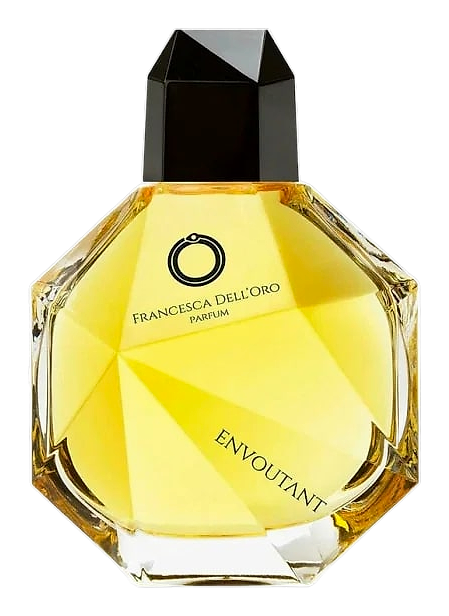
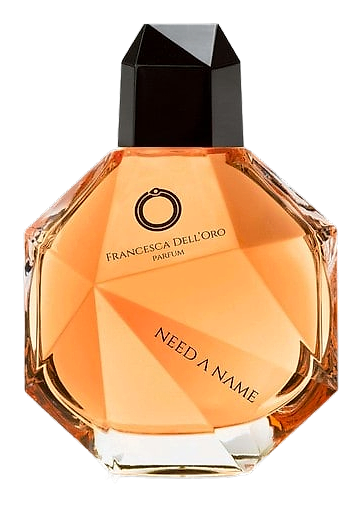
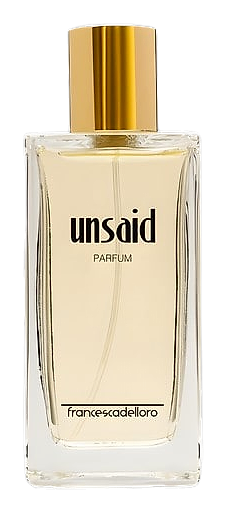
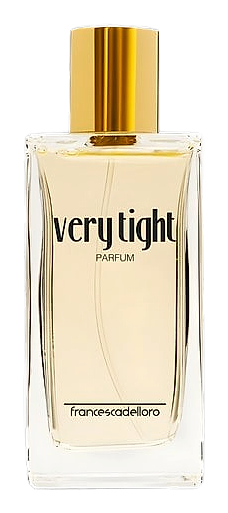
    Visually, Francesca dell'Oro adopts a minimalist Italian design language that reflects the founder’s background in graphic design. Bottles feature clear glass with simple, elegant lines, topped by caps finished in brushed gold that echo the brand’s name, which translates to "of gold" in Italian. Labels display clean typography, often using a sans‑serif font and a restrained color palette of black, white and muted earth tones. The packaging for the vanilla collection, for example, uses soft ivory boxes with subtle gold embossing, reinforcing the notion of understated luxury without overt ornamentation. Promotional imagery frequently shows the fragrances against neutral backdrops, allowing the bottle shape and gold accents to stand out. The brand’s visual identity extends to its website and social media, where photography emphasizes texture, light and the tactile qualities of the perfume, aligning the visual experience with the olfactory one. This cohesive aesthetic supports the house’s narrative of marrying art and science, presenting each scent as a carefully crafted object of design.

    Philosophy

    Francesca dell'Oro describes its work as an artistic olfactory laboratory, a phrase that appears on several third‑party profiles. The house treats scent as a medium for emotion, aiming to translate feelings into perfume rather than following seasonal trends. Its statements emphasize a marriage of art and science, suggesting that each formula undergoes systematic testing while retaining a creative spark. The founder’s experience in graphic design informs a visual‑first approach: she sketches a concept, selects a color palette, then translates that mood into a fragrance structure. The brand values authenticity, choosing ingredients that convey a clear narrative and avoiding overly synthetic shortcuts. It also prioritizes sustainability by sourcing natural extracts where possible, though specific supply‑chain details remain limited in public records. The philosophy stresses intimacy; each scent is presented as a personal story rather than a mass‑produced commodity, encouraging wearers to connect with the perfume on a personal level.

    Key Milestones

    2011

    Francesca Dell'Oro launches the eponymous perfume brand in Lecco, Italy after a career in haute couture and graphic design.

    2015

    First major fragrance Fleurdenya debuts, establishing the brand’s storytelling approach.

    2017

    Three new scents—Ice Yasmill, Rosmenthe and Rubia Sucrée—expand the catalogue and showcase diverse olfactory themes.

    2018

    OneMore and Bihaku release, marking the brand’s entry into more experimental compositions.

    2022

    Sainte +Figue launches, blending green fig with subtle spice and reinforcing the house’s focus on reinterpretation of familiar notes.

    2024

    Vanille 08:00 arrives, continuing a series of vanilla‑centric fragrances that highlight natural vanilla extracts.

    At a Glance

    Brand profile snapshot

    Origin

    Italy

    Founded

    2011

    Heritage

    15

    Years active

    Collection

    2

    Fragrances released

    Avg Rating

    3.7

    Community sentiment

    Release Rhythm

    2025
    2
    2024
    4
    2023
    1
    2022
    1
    2020
    2
    2019
    1
    2018
    2
    2017
    5
    francescadelloro.com

    Did You Know?

    Interesting Facts

    Distinctive details and defining moments that shape the house personality.

    01

    The founder’s surname, Dell'Oro, means "of gold" in Italian, a motif that appears in the brand’s gold‑finished bottle caps.

    02

    Francesca dell'Oro’s early career in haute couture influences its emphasis on visual design as much as scent.

    03

    The brand’s vanilla collection includes four distinct vanilla‑focused scents, each exploring a different facet of the ingredient.

    04

    Production runs are limited and hand‑filled, allowing the house to maintain tight quality control over each batch.