
The Story
Why it exists.
The beginning
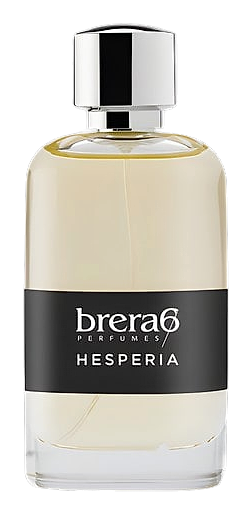
Hesperia is named for the asteroid discovered by Giovanni Schiaparelli on April 29, 1861, from the Astronomical Observatory of Brera in Milan. The botanical garden below the observatory grounds the scent in something earthier: green, living, close to soil. This isn't a fragrance about stargazing. It's about the specific clarity of a spring night when the air is cool and the sky is deep blue and everything feels possible. The opening arrives with an immediacy that signals the composition's intentions. Wormwood provides a sharp, green presence that cuts through the initial moments, establishing a tone that feels both medicinal and botanical.
The combination of wormwood and blue incense is unusual in contemporary perfumery. Wormwood, artemisia, brings an aromatic, slightly bitter quality often associated with spirits like absinthe. Here it grounds the citrus and cardamom in something herbal and grounded. Blue incense, a modern perfumery material, adds a cool, smoky dimension that reads more like clean air than church smoke. Cashmeran and Ambroxan create the contemporary drydown, synthetic musks that smell like skin-warm fabric rather than animalic. They bridge the aromatic opening to the woody base without softening too much.
The evolution
The opening announces itself with authority. Wormwood dominates, a sharp, green, slightly medicinal note that cuts through the citrus and cardamom and demands attention for the first thirty seconds. Bergamot provides brightness, but it's the wormwood that registers first. Within the first hour, the herbs begin to settle. Juniper berries arrive with a clean, pine-like quality. The incense shows itself, not smoky, but cool, almost atmospheric. Elemi adds a citrus-resin warmth that keeps the composition from going fully austere. The initial sharpness softens into something more coherent, and the drydown begins to take shape. The base holds for hours. Cedar and musk create a quiet, skin-close warmth that doesn't project far but doesn't disappear either. The amber and cashmeran add a soft, almost powdery finish that lingers long after the opening has faded.
Cultural impact
The wormwood-forward opening is genuinely distinctive in the aromatic-woody category. The bitter, medicinal green note arrives with confidence and doesn't soften immediately, creating an impression that some wearers find unique and others find challenging. The fragrance attracts people who want something that announces their presence without shouting. The overall effect sits comfortably between bold and quiet, with enough presence to make an impression while remaining wearable throughout the day.