The Story
Why it exists.
The beginning
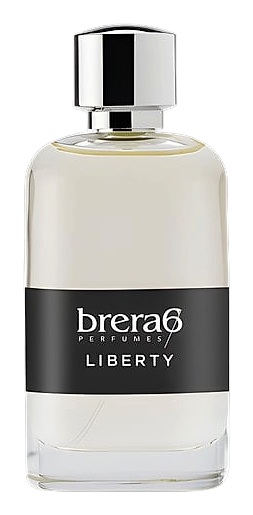
Liberty takes its name from Stile Liberty, Italy's version of Art Nouveau, the ornamental design movement that reshaped Milan at the turn of the 20th century. The reference is precise: floral motifs rendered in iron and glass, decorative scrollwork on façades, bow-fronted buildings with tall windows that caught the light in a particular way. The atmosphere evoked is one of vernal brightness, architectural ornamentation, and the sense of a city reinventing itself with curves instead of corners. Stile Liberty embodied a philosophy of beauty that permeated everything from public buildings to private residences, turning everyday objects into statements of style.
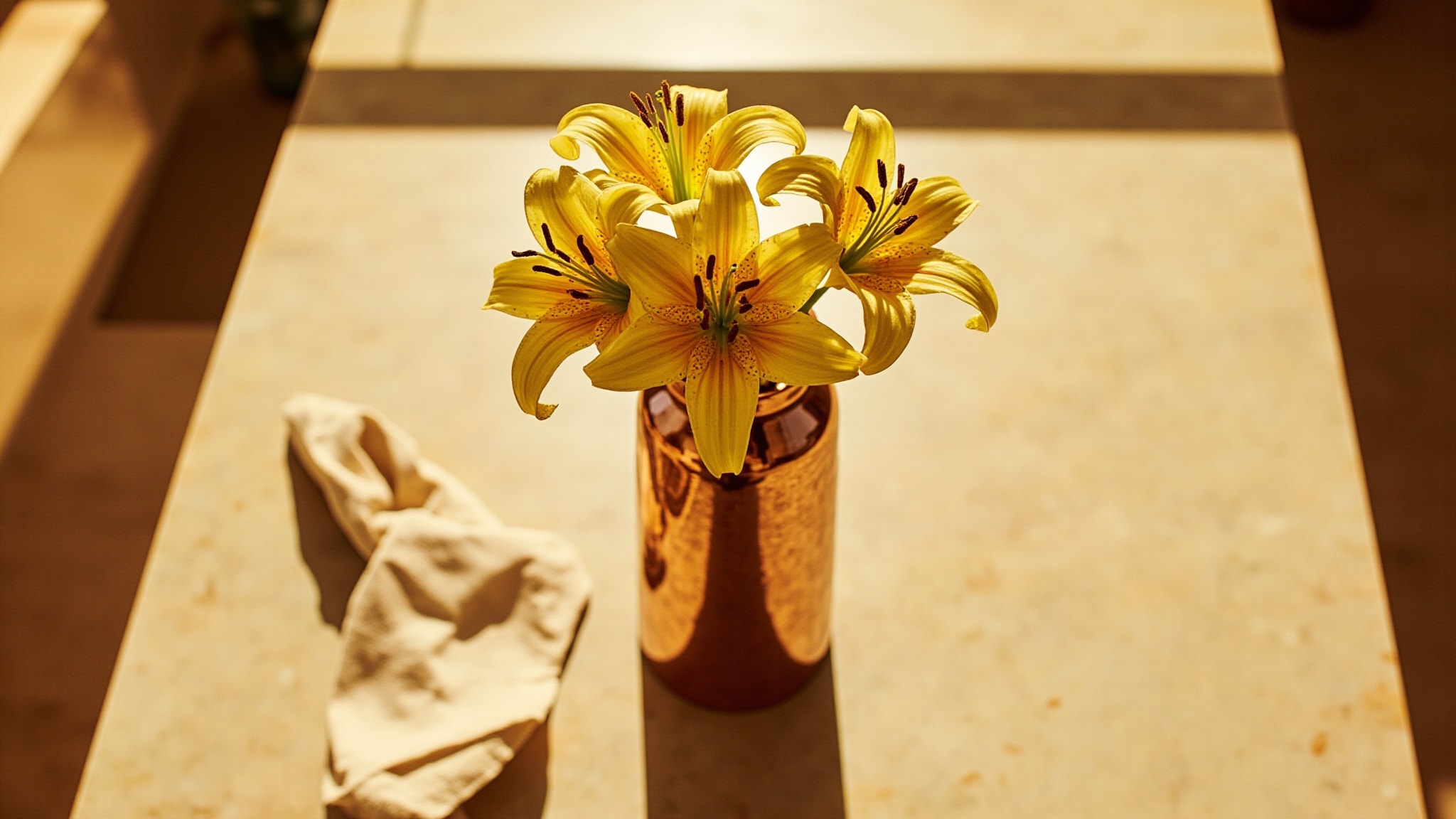
What makes this composition work is the tension between ornamental excess and Italian restraint. Ylang-ylang brings tropical depth, it could easily tip into headiness, but lychee keeps it bright, almost tart. The white florals (lily, jasmine) and yellow florals (ylang-ylang) play against each other in a way that mirrors Art Nouveau's own tension: decorative by nature, but governed by structure. The cedar and patchouli base doesn't fight the florals. It frames them, the way a bow-window frames whatever light happens to be passing through.
The evolution
The opening announces itself confidently, bergamot and mandarin, bright and sparkling. The Art Nouveau in the top notes is all about that clean geometry, the citrus oils arranged like stained glass rather than a garden. Each element feels placed with intention, the citrus brightness serving as a frame rather than a flood. Thirty minutes in, the florals begin their slow arrival. Lily first, its green, slightly greenish sweetness cutting through the citrus with precision, then jasmine arriving with a creamy white floral presence that adds body without weight. Ylang-ylang follows, filling the space with a warm, tropical undertone that never becomes heavy. The florals layer in a way that feels sequential rather than simultaneous, each bloom arriving as if to take its place in a carefully arranged composition. By the second hour, the composition shifts toward its grounding phase.
Cultural impact
The Brera6 house has drawn from Milan's architectural and cultural history across its collection, with 1848! referencing Italian unification and Gothic taking on the medieval city. Liberty captures the ornamental excess of the early 1900s, translating Art Nouveau's visual language into scent. Within the Art Nouveau inspired fragrance category, Liberty stands apart through its architectural restraint. The florals don't float freely; they're contained within a structure that gives them form. The citrus doesn't shout; it frames the composition with geometric precision.