The Story
Why it exists.
The beginning
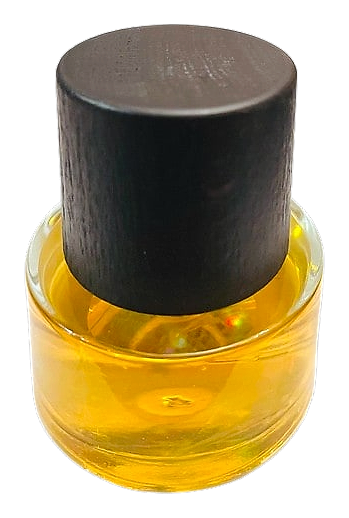
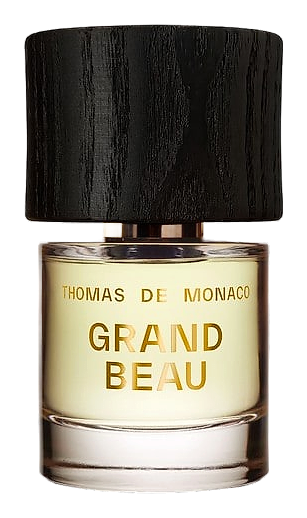
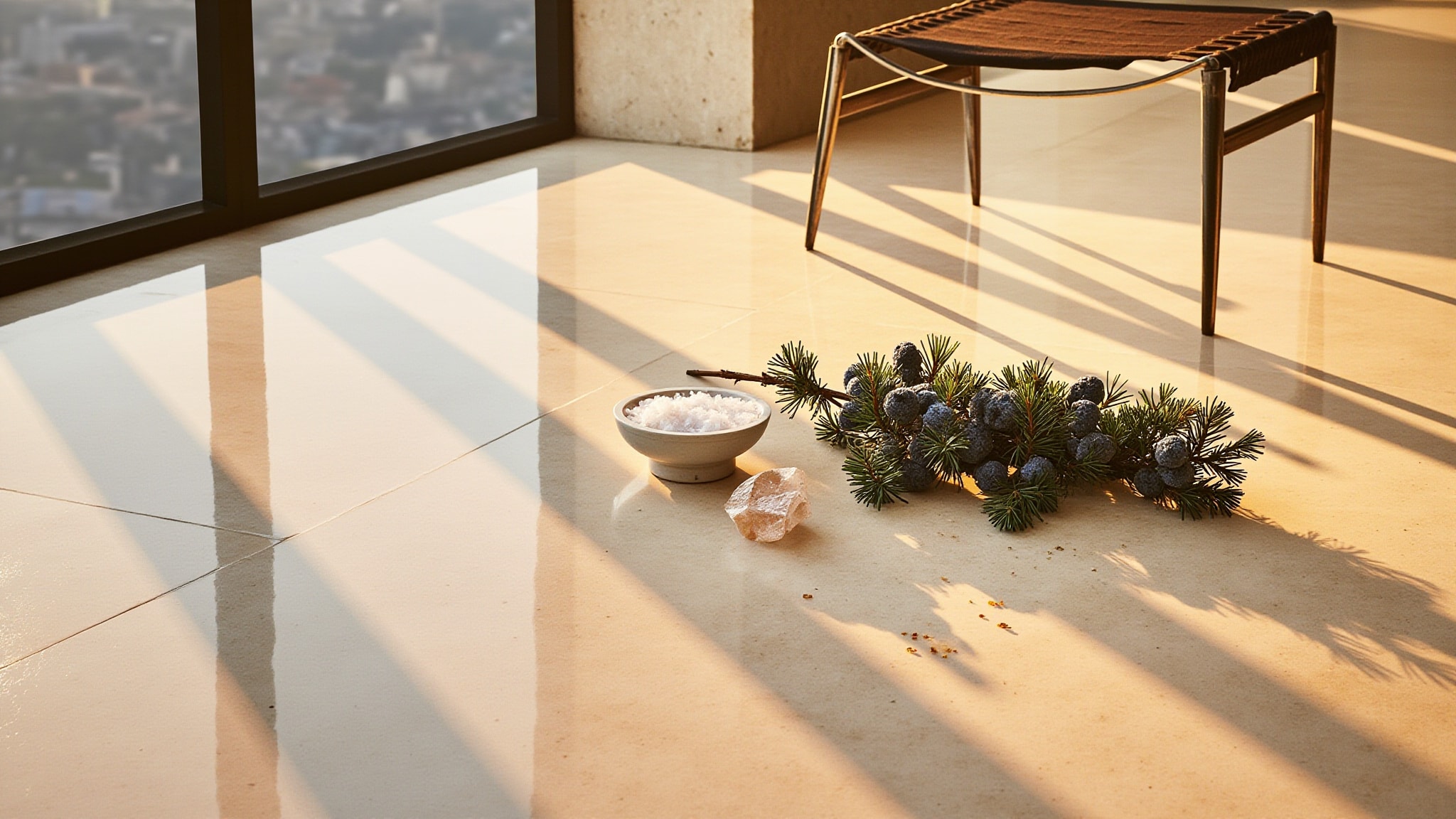
Grand Beau is Thomas de Monaco's olfactory photograph of a specific place: beyond the nearest dunes, eyes closed in the shade beneath pine trees, with the sea somewhere out of sight but always present in the air. The brand's photographer-founder, Thomas de Monaco, has long worked in visual contrast, light and shadow, near and far, sharp and soft. Grand Beau translates that way of seeing into scent: the crisp resin of pine against the diffuse mineral note of open water. Maurus Bachmann, working at the Luzi laboratory in Zurich, built the composition around this tension. Pine and juniper give the opening its clarity. Seaweed and ambrocenide provide the depth. The result is an extrait that feels both expansive and intimate, like standing in a pine forest with the ocean just over the dunes.
What makes Grand Beau unusual is the pairing of ambrocenide with marine notes. Ambrocenide is a rare ambergris substitute, a molecule that captures the warm, slightly animal quality of natural ambergris without the ethical complications. Used well, it adds a skin-like depth that rounds out sharper top notes. Here, Bachmann pairs it with seaweed, an ingredient that most houses avoid because it's difficult to work with and can veer into iodine or low-tide rot if mishandled. The result is a marine note that smells like the actual ocean, not a fantasy of it. Combined with the vanillic warmth of tonka bean and the dry earthiness of vetiver, the base holds the fragrance together long after the pine has faded.
The evolution
The opening arrives fast: juniper and pine resin, bright and clear, with just enough tuberose to keep it from reading as cleaning product. That floral whisper is the first surprise, tuberose is rarely used in masculine-leaning compositions, and here it threads through the conifer like a flare. Within twenty minutes, the heart takes over: vetiver and frankincense deepen the green into something earthier, while the seaweed surfaces as a cool, mineral undercurrent. The ambrocenide doesn't announce itself. It settles. By the second hour, it's the dominant impression, warm, slightly animal, close to the skin. The drydown lasts 8-10 hours on most skin types, fading to a quiet amber-vetiver that clings to fabric overnight.
Cultural impact
Grand Beau sits in a quieter corner of the niche market, not the loud oud-and-spice territory, not the safe citrus-aquatic lane. It's for the wearer who wants specificity: a real coastal memory translated into extract form, without the synthetic aquatic tropes that have defined the genre for decades. The Thomas de Monaco house has built its identity on this kind of restraint, and Grand Beau is one of the more distinctive expressions of that philosophy.