Ambrocenide
Ambrocenide is a semi-synthetic powerhouse that redefined what modern perfumery can achieve. Developed in 1997, this Symrise innovation transforms cedrene from American cedar into a radiant amber molecule used across hundreds of fragrances since its 2016 commercial debut.
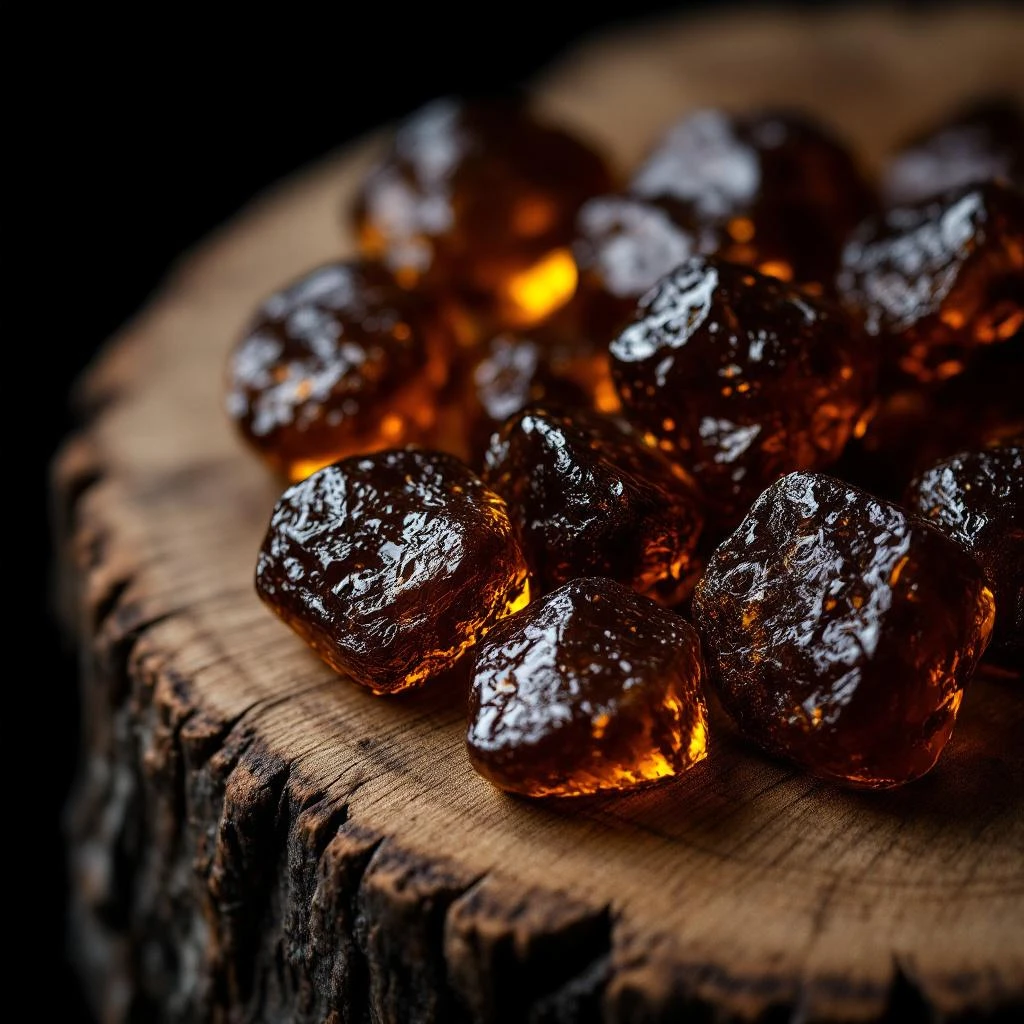
Character
How it smells
Modern science meets ancient amber tradition.
Perfumers use Ambrocenide at just 1% dilution because of its extraordinary potency—it can be detected even when below 0.1% concentration in a fragrance.






Origin
United States
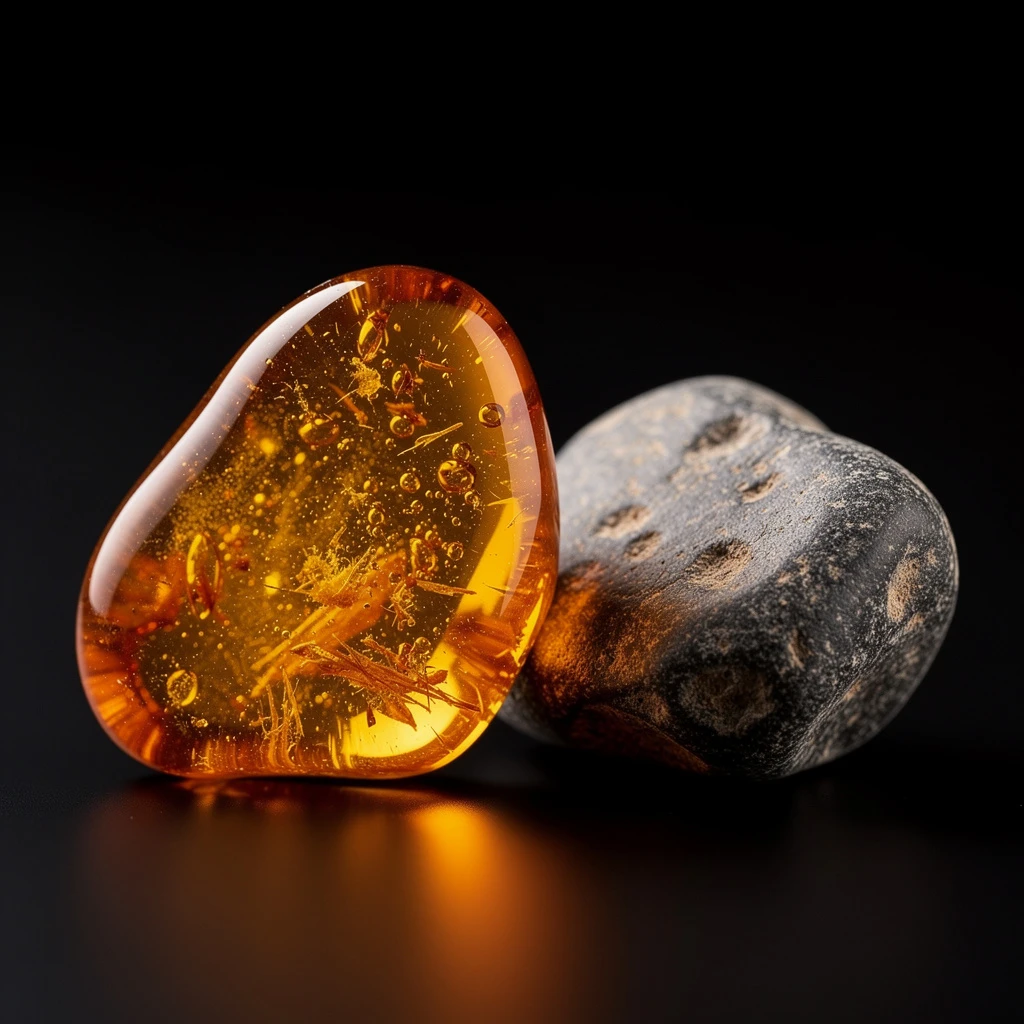
Ambergris, the rare sperm whale secretion with a distinctive leathery-woody scent, established amber as one of perfumery's most valued notes. Ancient Egyptians and early 20th-century perfumers relied on animal-derived fixatives that added sensuality and longevity to compositions.
Most of these materials now face restrictions. Ambrocenide emerged as a sustainable alternative.
Pickenhagen developed it at Symrise in 1997, but it remained unused until 2016. Its commercial debut transformed hundreds of fragrances, allowing perfumers to achieve complex amber expression without natural ingredients that raise ecological or ethical concerns.
Wears it best
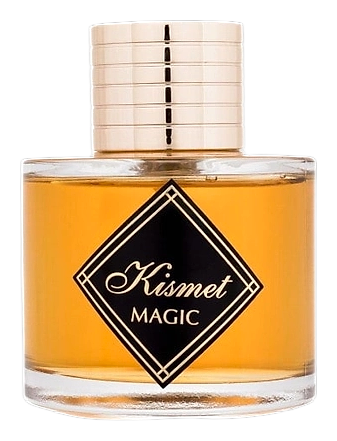
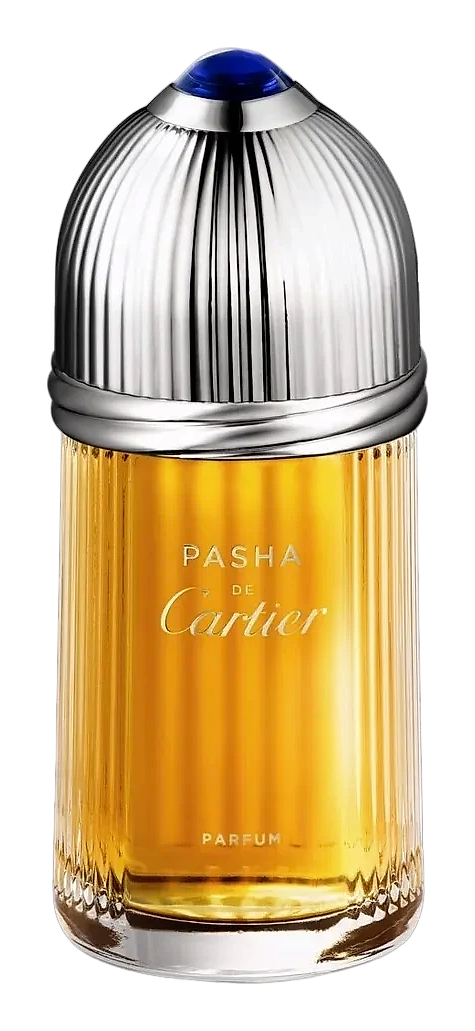
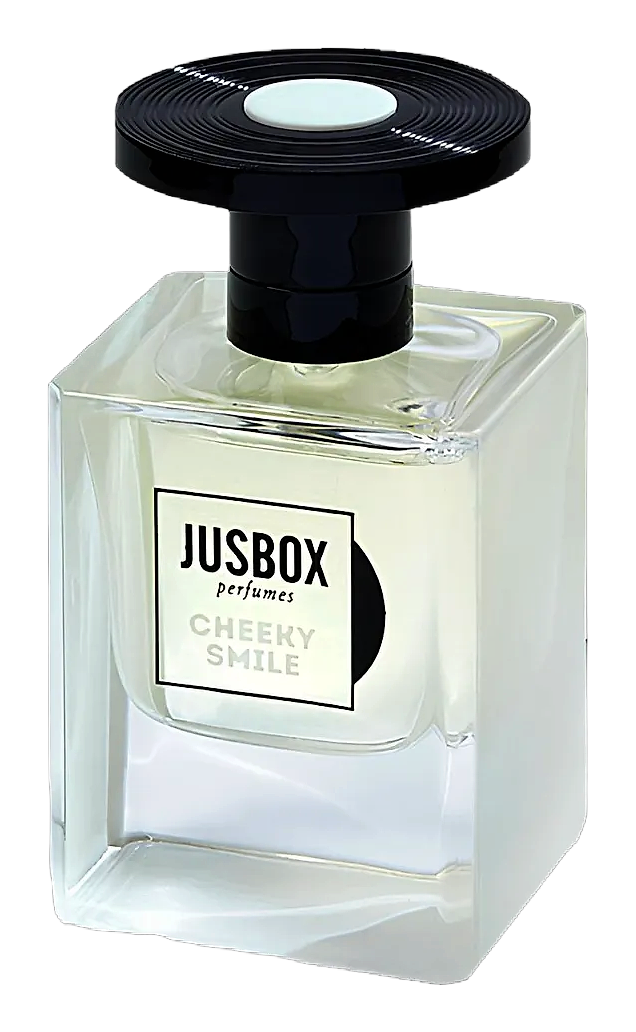
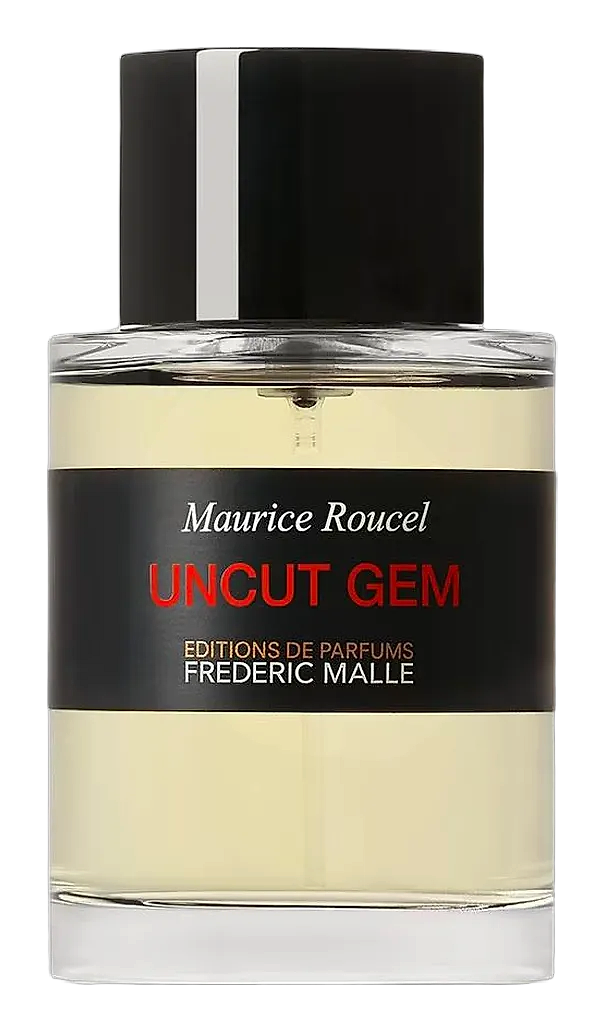
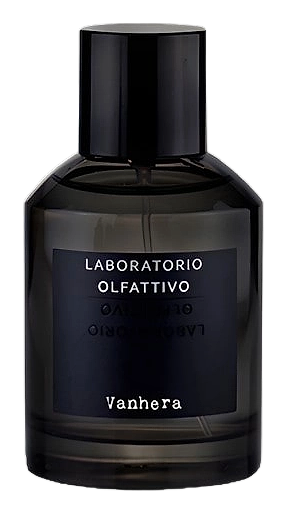
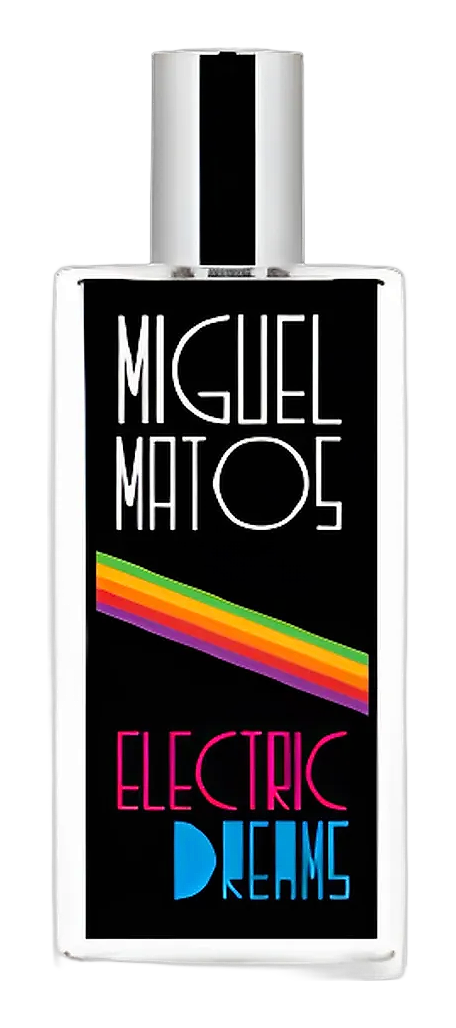
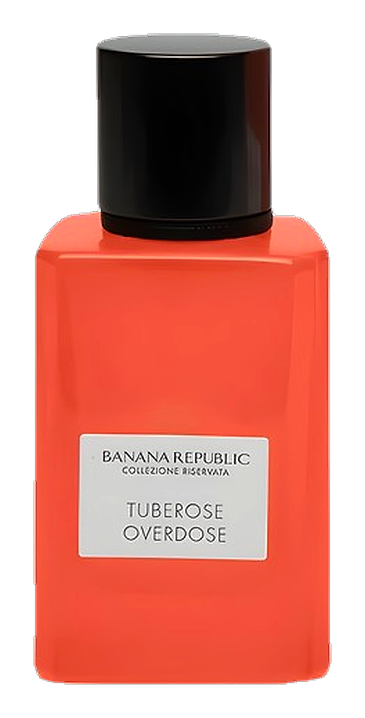
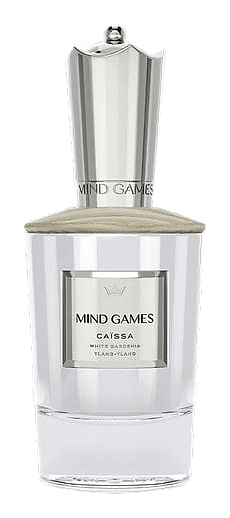
Fragrances featuring Ambrocenide
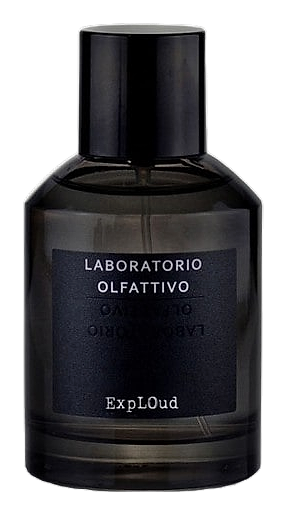

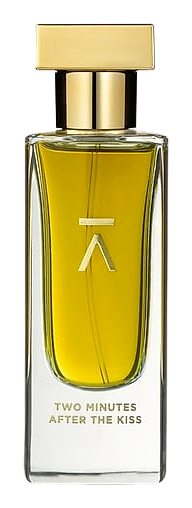
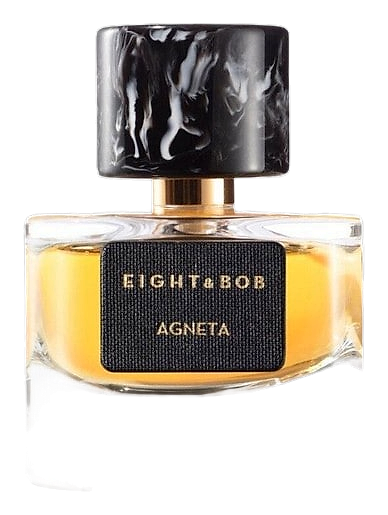
Brands
Brands known for Ambrocenide
Good to know
Questions, answered
The essentials on Ambrocenide in perfumery: how it smells, where it comes from, and how it behaves on skin.
What is Ambrocenide?
Ambrocenide is a semi-synthetic amber material that Symrise developed from α-cedrene, a compound sourced from American cedarwood oil. It adds warm, woody depth and radiant amber character to fragrances.
When was Ambrocenide developed and introduced to perfumery?
Scientists developed Ambrocenide in 1997, but it remained largely unused until 2016 when Symrise commercialized it. The 19-year gap highlights how innovation and market readiness don't always align.
Why is Ambrocenide so potent?
Ambrocenide's molecular structure creates an exceptionally powerful odor impact. Perfumers detect it at concentrations below 0.1%, making it one of the most potent amber materials available.
Is Ambrocenide cost-effective to use?
Yes. Despite its premium price, Ambrocenide's potency means perfumers use it at just 1% dilution. Small amounts deliver significant impact, making it economical in formulation.
How does Symrise produce Ambrocenide?
Symrise extracts α-cedrene from Juniperus species native to Texas and Virginia, then applies multi-step chemical synthesis to create this amber compound. The process requires sophisticated chemistry.
What does Ambrocenide smell like?
Ambrocenide delivers intense dry woody character with warm ambery notes, subtle animalic warmth, and smokey undertones reminiscent of agarwood. It adds richness and depth to base notes.
Which fragrances feature Ambrocenide?
Ambrocenide appears in hundreds of fragrances across men's and women's categories. Its versatility lets perfumers use it sparingly for elegance or in higher concentrations for bold, statement-making compositions.
Is Ambrocenide a sustainable choice?
Yes. Ambrocenide is a semi-synthetic alternative to natural ambergris, which comes from sperm whales facing conservation restrictions. Its development reflects perfumery's shift toward ethical, sustainable ingredients.
In the same family