
The Story
Why it exists.
The beginning
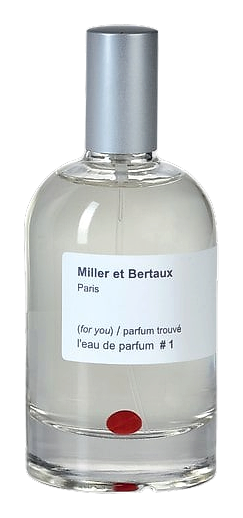
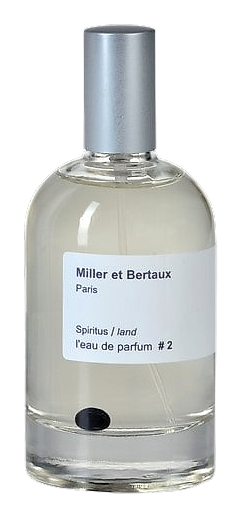
Miller et Bertaux built their first perfume in 2006 as a question: what if a fragrance had more than one answer? Spiritus/Land arrived as part of a trio sharing the same base, designed to be worn together or separately, layered across different parts of the body. It was a conceptual gesture, perfume as personal styling, not signature scent. The name carries the tension: Spiritus, the spiritual, the fleeting. Land, the grounded, the material. Two words that refuse to choose.
The shared base across the first three Miller et Bertaux fragrances isn't a gimmick, it's a philosophy. The same foundation means the collection breathes together. Spritus/Land leans into smoke and spice where the others soften into something else entirely. The structure matters: incense at the opening, warm spices building through the heart, then a drydown that arrives masculine without warning. The rose isn't delicate. The teak isn't polite. This is a fragrance that knows what it wants.
The evolution
The opening announces itself with incense, resinous, immediate, a cloud you've walked into. Thirty minutes in, the ginger asserts itself, sharp and clean, cutting through the smoke like a blade through sandalwood. The transition to heart is subtle. No dramatic hand-off. The spices just quietly deepen, pepper settling, cardamom warming, and a rose appears, dry and wood-adjacent, not floral in the traditional sense. By hour two, sandalwood and teak own the composition. The tobacco arrives last, not sweet, not harsh, just present. The drydown settles into something intimate and close, the kind of warmth that lives in fabric and collar, not in the air around you. As the hours pass, the woody elements continue to evolve, revealing new dimensions of depth and warmth that reward patience and close attention.
Cultural impact
Spiritus/Land arrived during a period when niche perfumery was finding new directions. The shared-base concept offered something different from the typical fragrance launch model, giving wearers a framework they could explore on their own terms. For those who find it, the scent has a way of feeling like a quiet declaration of intent, the kind of presence that changes the quality of a room without announcing itself. The base architecture sets it apart, allowing the fragrance to work as part of a larger system or stand alone with equal conviction. Those drawn to it tend to appreciate the confidence that comes from not needing to shout.