The Story
Why it exists.
The beginning
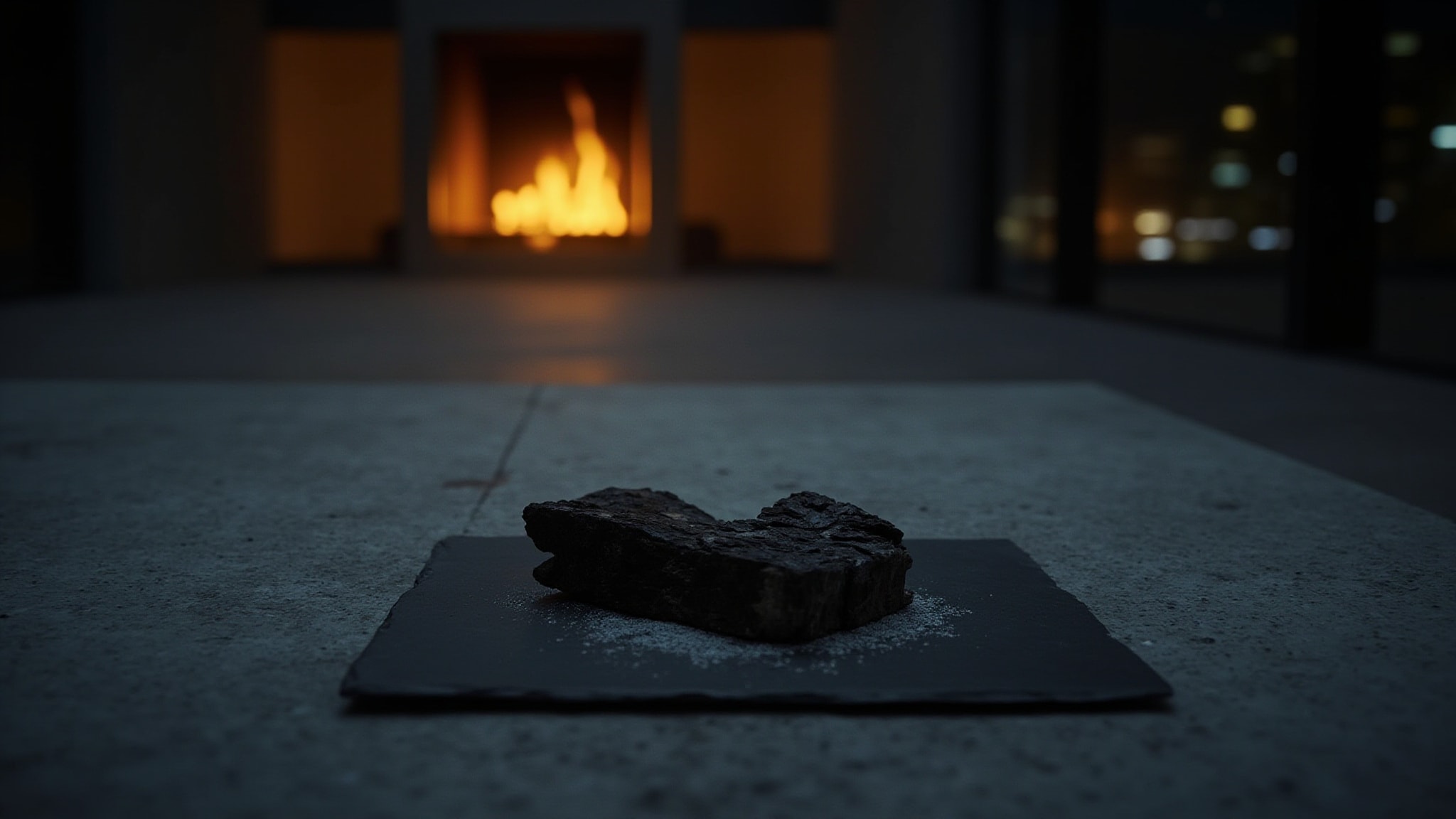
Bonfire Whisper came from a single question: what does the campfire actually smell like, not the memory of one? Marie Duchêne built the composition around that distinction. Most smoky fragrances are interpretations, warm, abstract, polite. This one cuts closer. The name says whisper, but the scent doesn't whisper at all. It reaches for the original: woodsmoke curling through cold air, the heat you feel before you see the flame.
The structure rewards patience. Black pepper and elemi open fast, sharp, bright, almost astringent, before the heart of bark and cashmere wood takes over, slowing everything down. Cade oil is the unusual note here: juniper-derived, medicinal, slightly tarry. It gives the smoke an edge that most 'campfire' fragrances soften away. Moss grounds it. Ambergris adds a quiet animal warmth underneath. The result is a campfire you can trust.
The evolution
The opening hits like standing too close to a fresh flame. Black pepper and ember heat arrive together, followed by chili's unexpected spark. The elemi adds a brief citrus flicker, almost like breathing in beside a burning orange peel. Within thirty minutes, the spice settles and bark takes over, dry, slightly bitter, the smell of wood that's been burning long enough to forget what it used to be. The heart phase softens everything: cashmere wood introduces a worn-sweater warmth, moss keeping it close to earth. The drydown belongs to cedarwood and cade oil. Smoke doesn't disappear, it becomes the atmosphere around everything else, ambergris adding skin-warmth that lasts through the final hours. Four to six hours of moderate sillage. Close, but persistent. The kind of campfire you'd walk through snow to reach.
Cultural impact
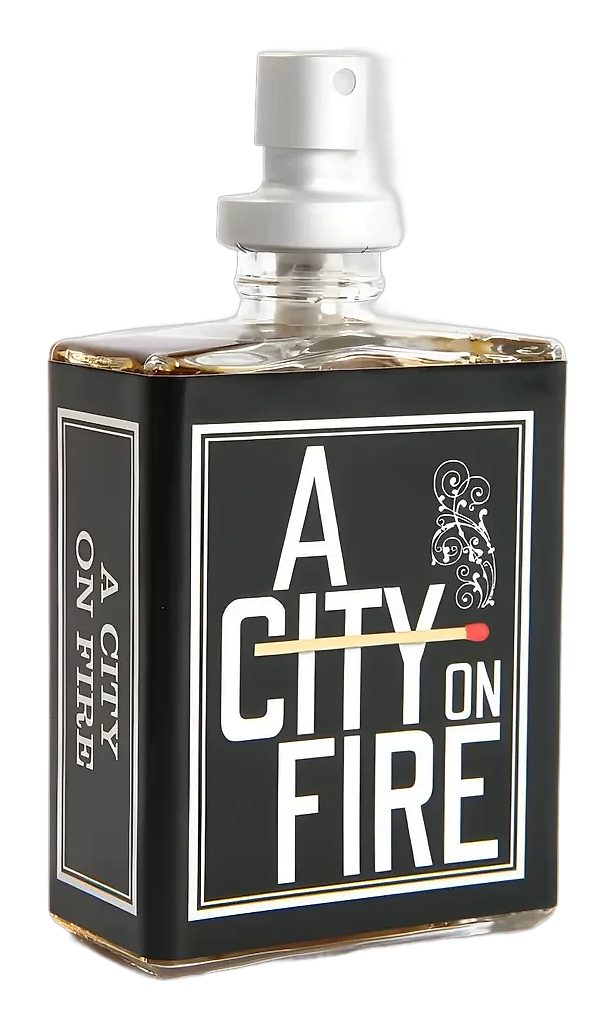
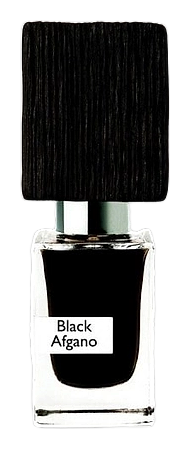
Bonfire Whisper sits comfortably in the company of woody-smoky fragrances like Imaginary Authors' A City on Fire, but with its own distinct character. The cashmere wood keeps it softer than most; the cade oil keeps it honest. The scent is meant to be discovered rather than announced, intimate enough for those standing nearby to notice. It offers something increasingly rare: a campfire scent that doesn't apologize for what it is.