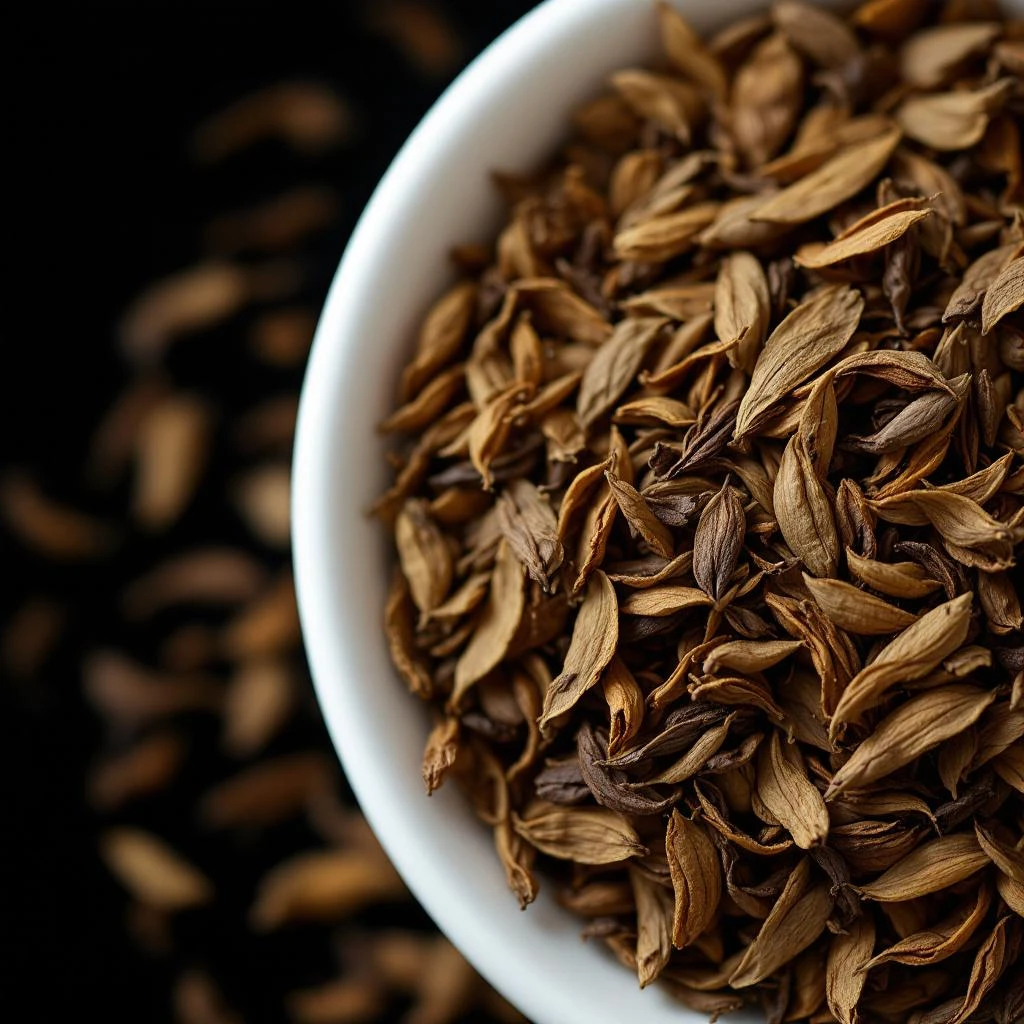
Bark
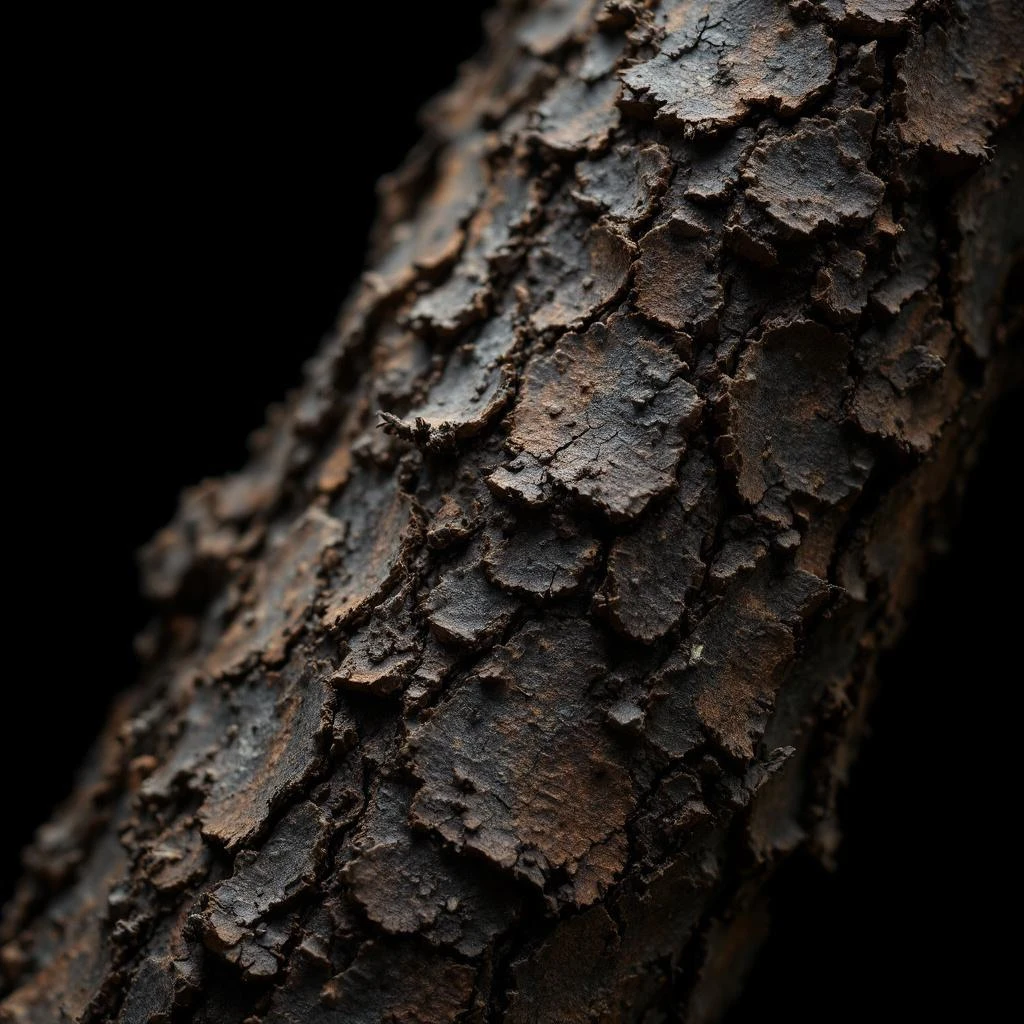
Raw bark delivers a grounded, spicy‑woody aroma that anchors fragrances with a natural, resinous edge, echoing forest floors and ancient incense rituals.
Character
How it smells
Spice‑rich bark, the forest’s grounding note.
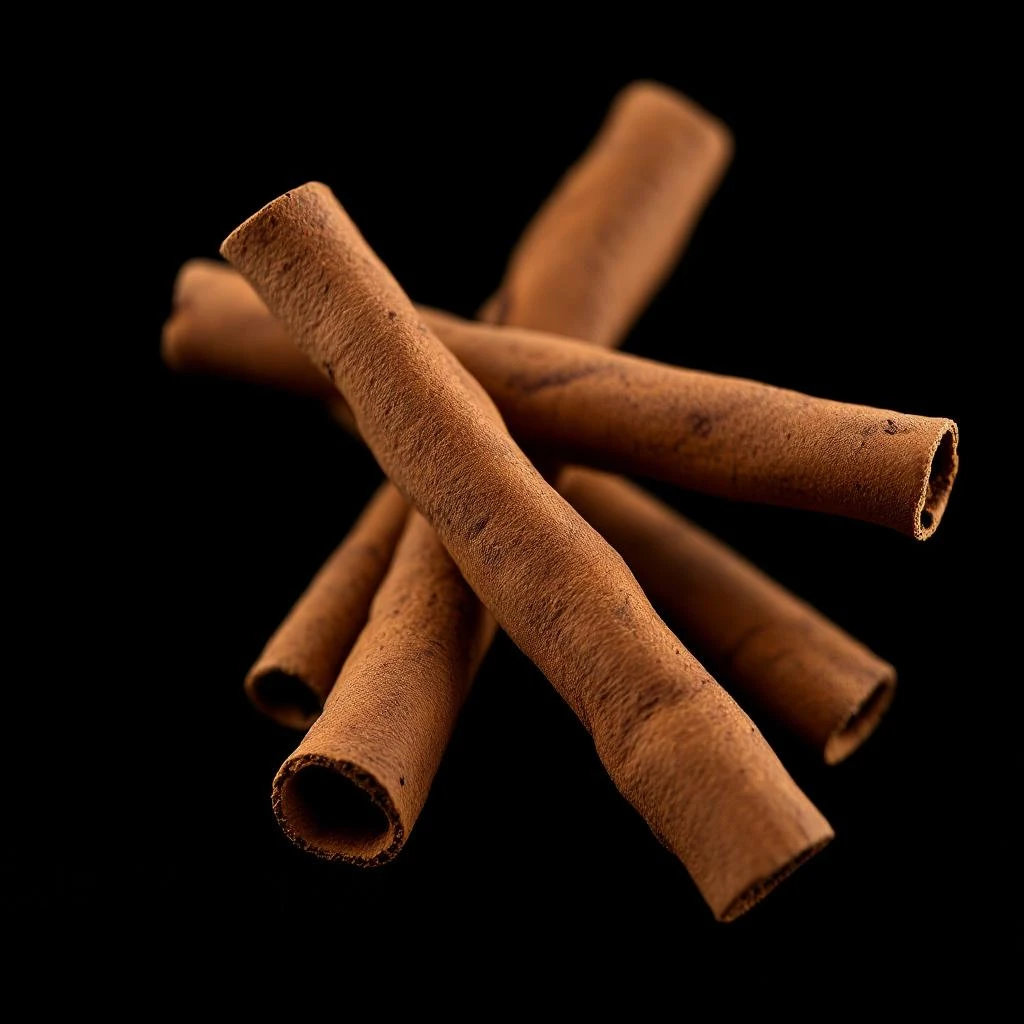
Cinnamon bark oil contains up to 70 % cinnamaldehyde, a compound that once served as a natural antiseptic in ancient Egyptian embalming practices.







Origin
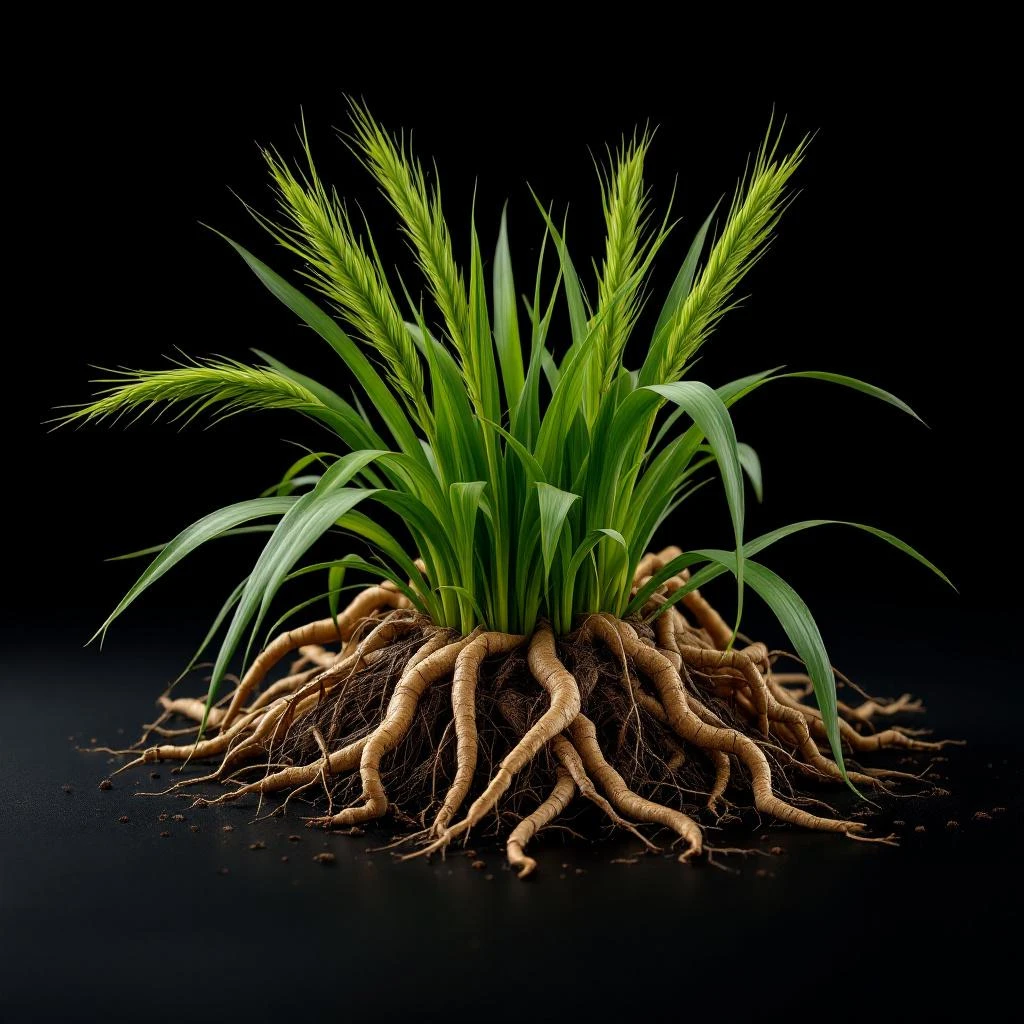
Indonesia
Ancient scribes recorded bark as a core element of sacred incense. In Mesopotamia, cedar bark burned in temple rites to summon divine presence, while Egyptian priests mixed cinnamon bark with myrrh to mask the scent of embalming oils. Trade routes carried bark across the Red Sea, introducing the spice to the Roman elite, who prized its sweet‑spicy aroma for personal grooming.
During the Middle Ages, bark extracts appeared in apothecary recipes, valued for both fragrance and medicinal properties. The 18th‑century French court elevated bark‑based accords, commissioning perfumers to blend cedar bark absolute with amber for regal colognes. The industrial age accelerated bark’s role: the 1874 patent by Wilhelm Haarmann turned pine bark lignin into vanillin, a breakthrough that linked bark to the birth of modern synthetic perfume.
Today, bark remains a bridge between tradition and innovation, offering a tactile, forest‑grounded scent that anchors contemporary compositions.
Wears it best
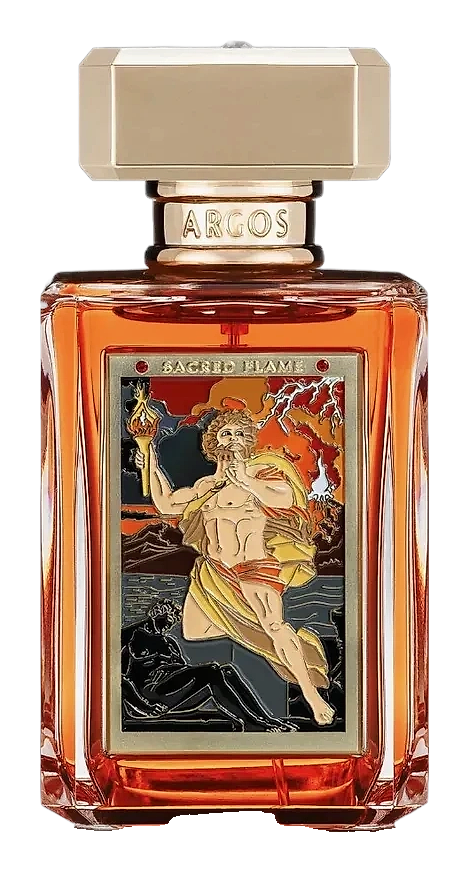
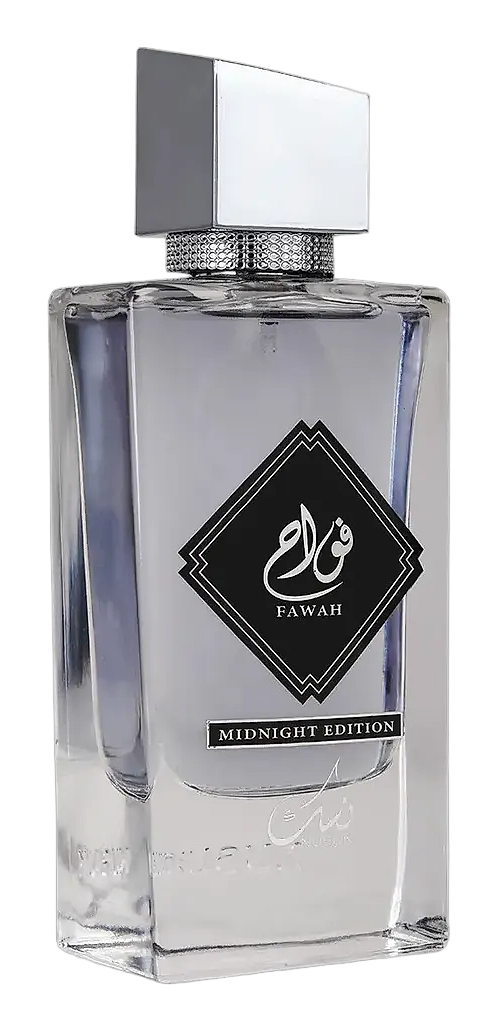
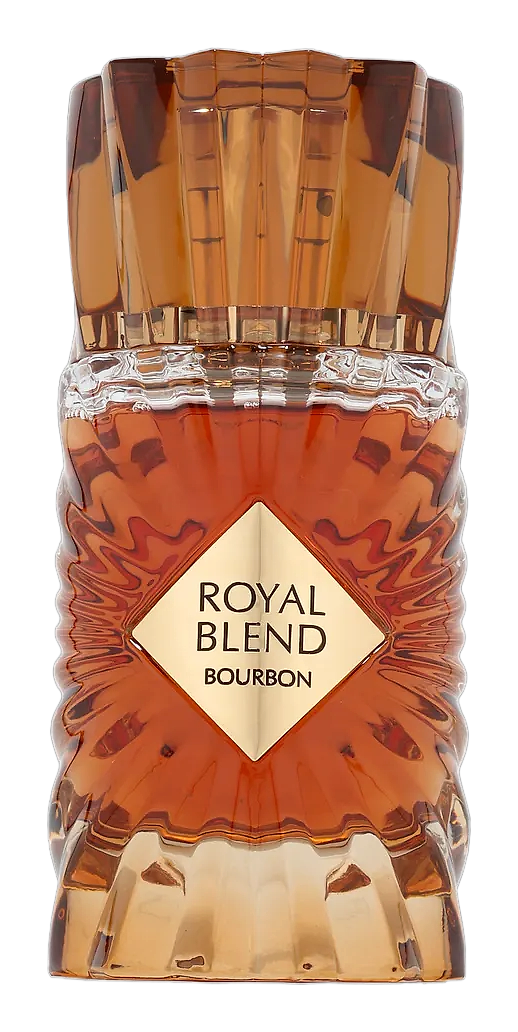
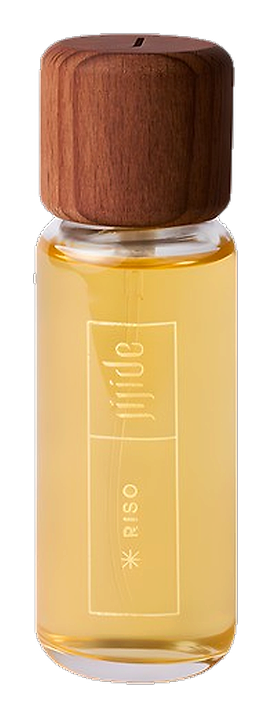
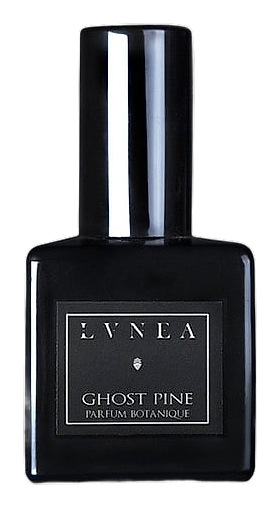
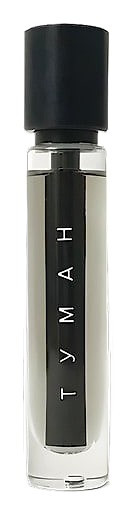
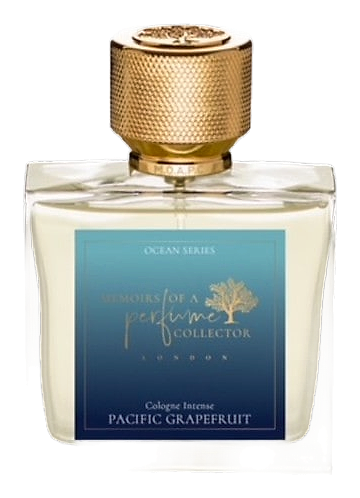
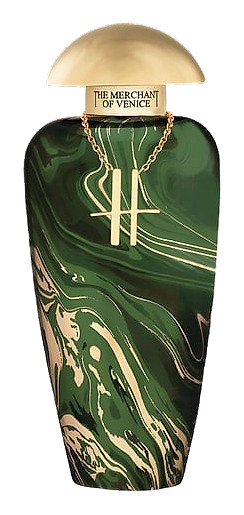
Fragrances featuring Bark
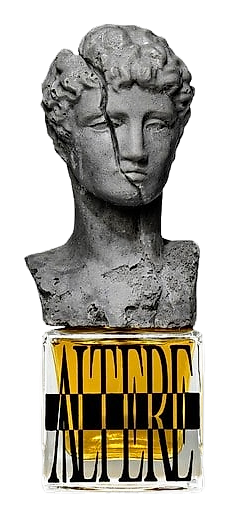
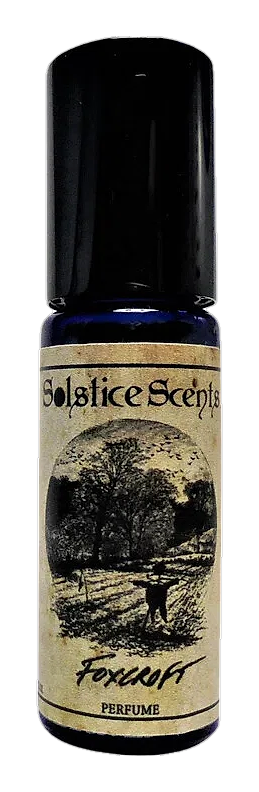
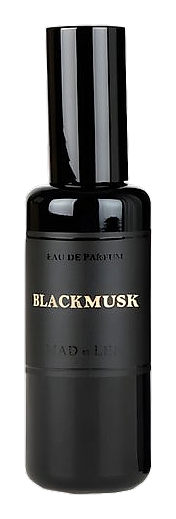
Brands
Brands known for Bark
Good to know
Questions, answered
The essentials on Bark in perfumery: how it smells, where it comes from, and how it behaves on skin.
What role does bark play in perfume composition?
Bark supplies spicy, woody, and resinous accords in perfume. Cinnamon bark oil, extracted from Cinnamomum verum, contributes a warm, sweet‑spicy nuance measured at 5‑10% of a typical oriental blend. Its aroma profile includes cinnamaldehyde and eugenol, which register strong on the olfactory sensor.
How is bark oil extracted for fragrance use?
Steam distillation captures volatile bark oils in a single pass. In 2022, a French distillery reported a 12‑liter yield of pine bark oil from 200 kg of fresh bark. The process runs at 100 °C for 3 hours, preserving the bright, resinous character.
Which bark provides a dry, leathery note favored by perfumers?
Cedar bark absolute offers a dry, leathery note prized by perfumers. A 2021 survey of 150 fragrance houses listed cedar bark as the third most requested woody raw material, with an average usage rate of 3 % in masculine scents. Its scent persists for over eight hours on skin.
Can bark extracts be sourced sustainably?
Bark extracts can be sourced responsibly when harvest follows sustainable guidelines. The Forest Stewardship Council certified a 2020 Indonesian cinnamon bark plantation that limited tree removal to 15 % of the canopy each cycle. Such practices maintain biodiversity and ensure a steady supply for perfumers.
Are there any safety concerns with bark oils?
Some bark oils trigger skin sensitization in susceptible individuals. Patch‑test data from the European Contact Dermatitis Society in 2019 recorded a 2.3 % positive reaction rate to birch bark oil among 1,200 participants. Formulators often limit concentration to below 0.5 % in leave‑on products to mitigate risk.
How stable are bark oils over time?
Bark oils retain their character for several months when stored in dark glass. A 2021 stability study showed that cedar bark absolute lost less than 5 % of its cinnamyl acetate content after 9 months at 20 °C. Keeping the bottle sealed prevents oxidation and preserves the spicy nuance.
Do bark notes complement citrus accords?
Bark blends well with citrus, adding depth to bright compositions. In a 2020 fragrance brief, 78 % of creators paired orange peel with cinnamon bark oil to achieve a balanced warm‑spicy top. The contrast extends the scent’s evolution, allowing the citrus spark to fade while the bark’s warmth lingers.
Are synthetic alternatives available for bark aromas?
Synthetic analogs replicate bark’s key aroma compounds at lower cost. Laboratory synthesis of vanillin from pine bark lignin achieved a 92 % purity yield in 2018, providing a stable supply for mass‑market perfumes. These molecules mimic the sweet‑spicy profile while reducing reliance on forest resources.