The Story
Why it exists.
The beginning
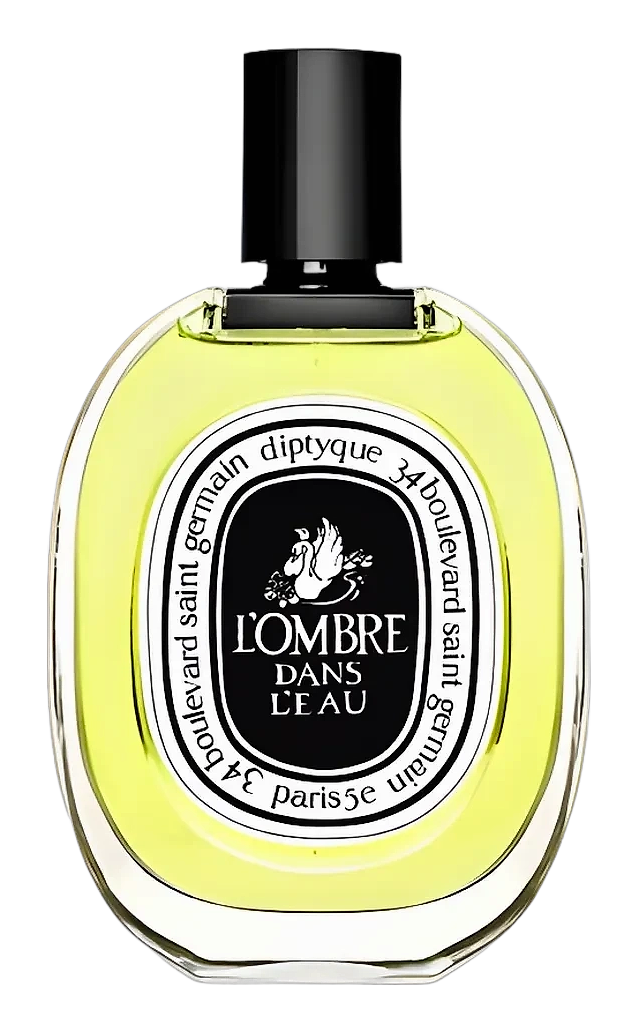
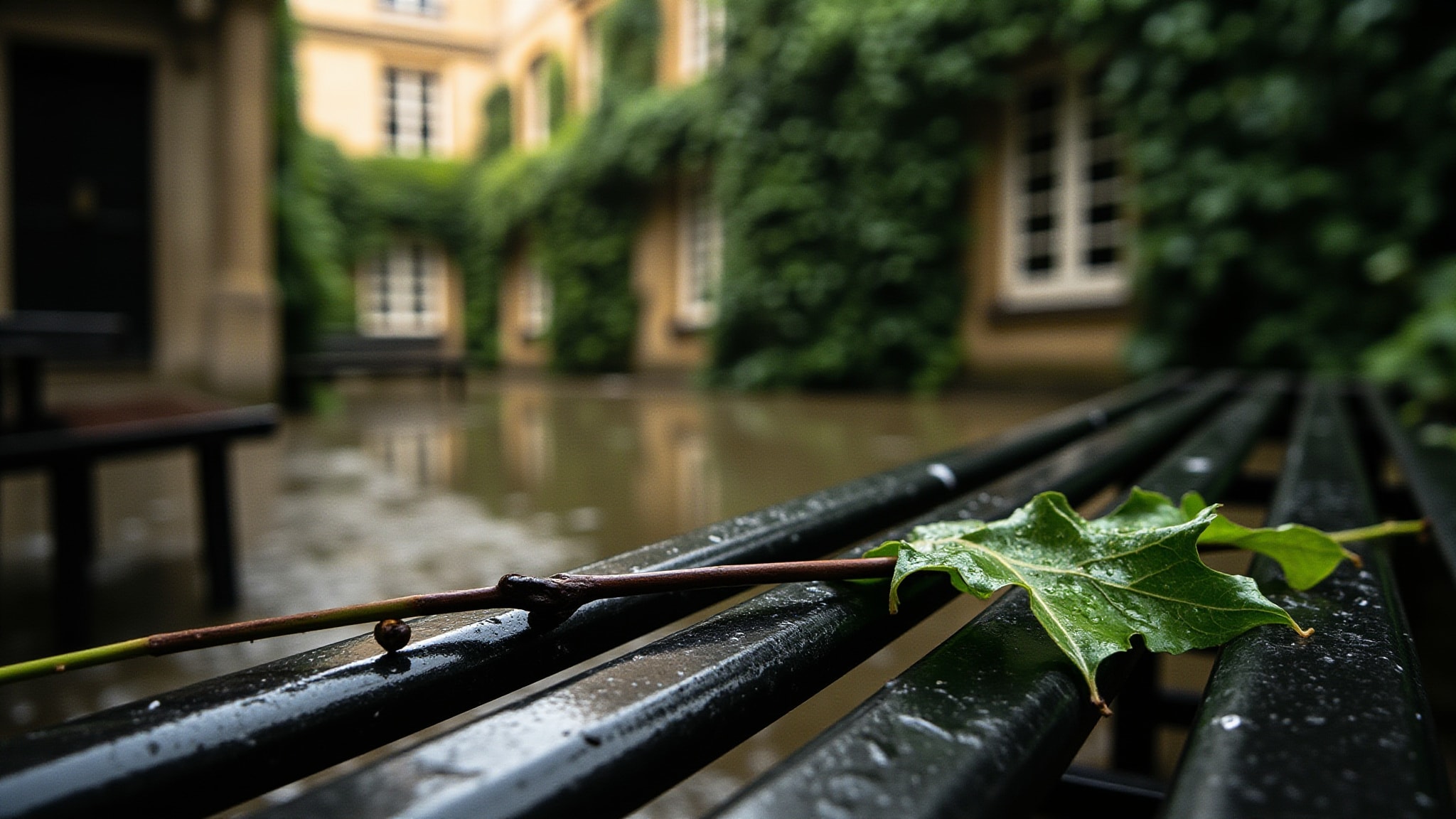
Fabrice Pellegrin created Eau de Lierre around a single botanical subject, ivy, the hedera helix that crawls across Parisian parks and old stone walls. The challenge was to make a fragrance that smelled like the plant itself, not a perfume named after it. Galbanum opens the composition with a sharp, dewy green crackle, the sensation of crushed leaves, cool and mineral. Cyclamen and geranium layer in a watery floral brightness that mirrors the plant's natural moisture. Brazilian rosewood and woody notes carry the heart into aromatic warmth, while musk and a trace of ambergris anchor the drydown close to the skin.
What makes the structure interesting is the way the green accord evolves from fresh-cut grass to warmer aromatic space, not a dramatic transformation, but a quiet shift in temperature. Galbanum provides the sharp, almost vegetal opening that reads as cool and mineral. Pink pepper adds a clean, slightly sweet spiciness that lifts the green without sweetening it. The heart of cyclamen and geranium brings a dewy floral layer, while Brazilian rosewood (since restricted for sustainability reasons) gives warmth and depth. Musk and ambergris keep the drydown close, intimate sillage, moderate projection, green that doesn't leave the room but stays with the wearer.
The evolution
The opening announces itself quickly, a bright, dewy green that feels almost wet. There's anise in the grass accord, lending a subtle sharpness that keeps the freshness from becoming sweet. Within 30 minutes, the green settles and warmer woody notes emerge. Brazilian rosewood and woody notes take over, and the olfactory landscape shifts from open meadow to shaded garden path. The drydown is where it earns its name: a warm, close, intimate trail of peppery wood with just enough vegetation to keep it green. It lingers close to the skin, intimate rather than announced, noticed only when someone leans in. On fabric, the green accord holds longer and the drydown softens into something wearable and quiet.
Cultural impact
Eau de Lierre occupies an interesting space in the Diptyque catalog, often overshadowed by the house's more iconic scents, but deeply valued by those who know it. The green accord is considered hyperrealistic by fans: it smells like ivy, not like someone trying to evoke ivy. The 2023 limited reissue brought renewed attention to a fragrance that longtime fans had been quietly wearing for years.