
The Story
Why it exists.
The beginning
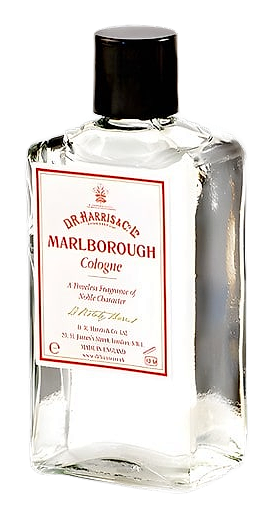
Marlborough takes its name from one of Britain's most storied ducal houses, landed gentry, country estates, the particular breed of unhurried authority that comes with both. The 9th Duke's world was one of morning rides and afternoon audiences, of appearances that required a particular kind of care. D.R. Harris had been outfitting that world for generations, and the house had developed enough of a following among London's professional class to justify a dedicated cologne. Marlborough was the answer: a scent calibrated for men whose routines were non-negotiable, whose grooming was part of a larger architecture of self-presentation. Not theatrical. Simply presentable, every day, without effort.
Cedarwood, sandalwood, and warm spices form a pyramid that owes more to function than fashion. These were not exotic materials, they were reliable ones, available from established suppliers, and they behaved predictably on skin. The combination produces what perfumers call a classic aromatic structure: an opening that clears the air, a heart that provides warmth without sweetness, and a base that lingers without projecting. It's the architecture of a well-cut suit, not the spectacle of a costume.
The evolution
The woody notes arrive immediately, dry and clean, filling the space right around the wearer. Cedarwood takes the lead, with sandalwood providing a soft creamy counterpoint that keeps the opening from feeling austere. The spices begin to assert themselves by the second hour, not replacing the woods but co-existing with them, adding a warm complexity that anchors the whole thing. By the fourth hour, the sharper top notes have mostly retreated and the woody base dominates, warm and resinous, the kind of note that stays close to skin but refuses to disappear entirely. On fabric, the drydown can last into the next morning, a faint woody warmth that smells like a collar pressed and ready.
Cultural impact
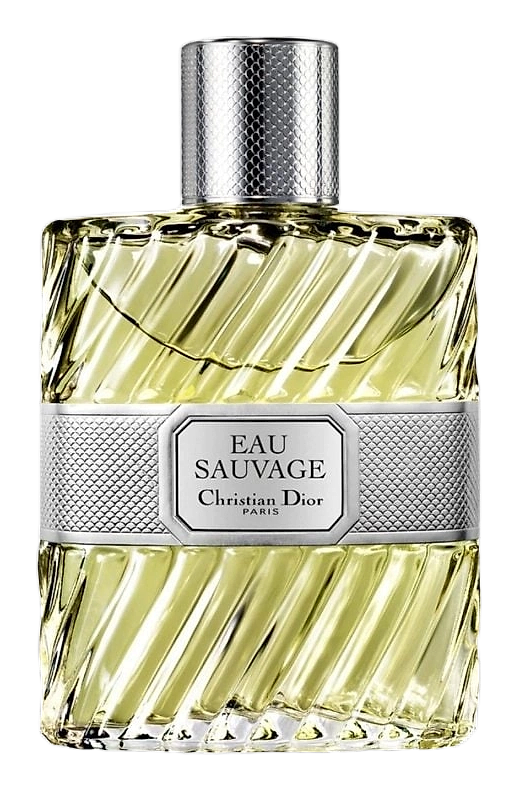
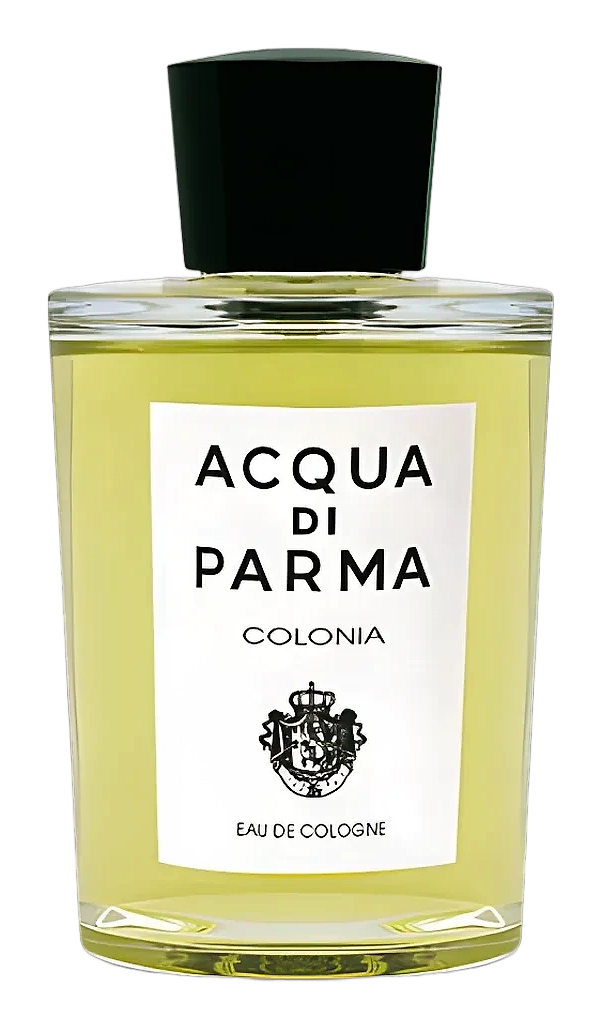
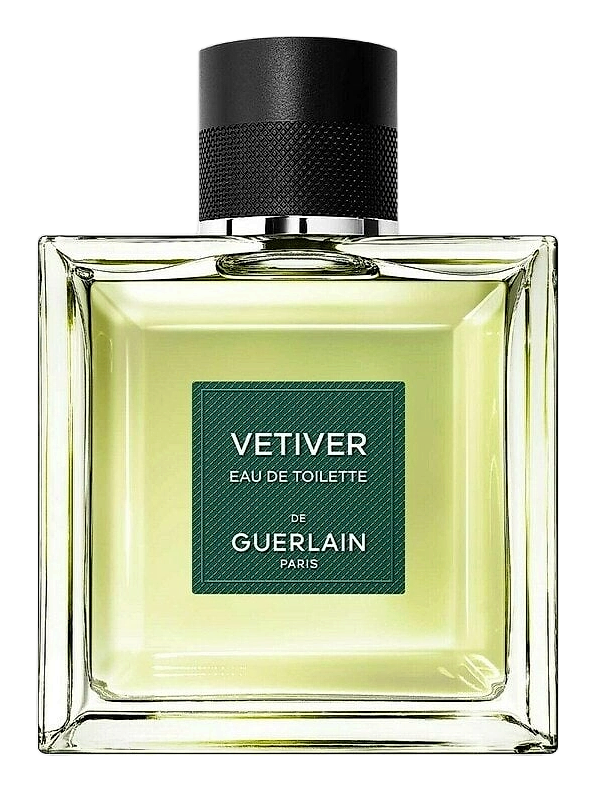
Marlborough has worn consistently since its introduction, which is its own kind of statement. The men who reach for it tend to be those who already know what they like, audiences that include Dior Eau Sauvage, Guerlain Vetiver, and Creed Bois du Portugal on the similar-fragrances lists suggest a certain type of wearer: someone who values heritage, who dresses the part without announcing it, and who finds the classic aromatic genre more reliable than the seasonal trend cycle. The composition's reliance on natural essential oils rather than synthetic overrides gives it a phase-by-phase evolution that's become rare in modern perfumery.