


Heritage
A house, in its own words
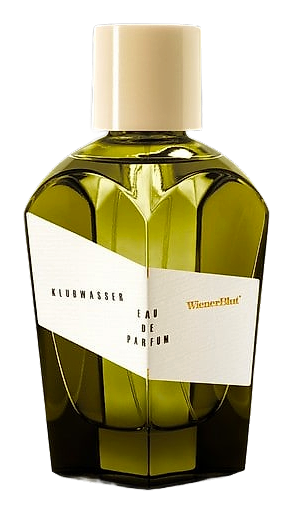
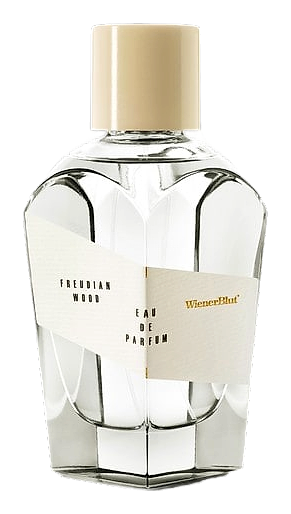
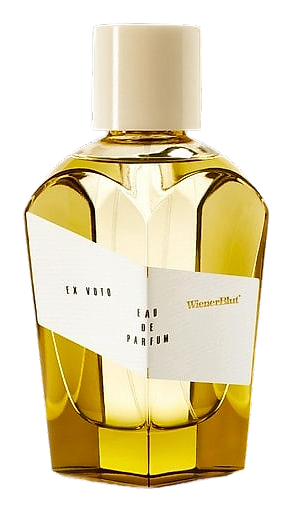
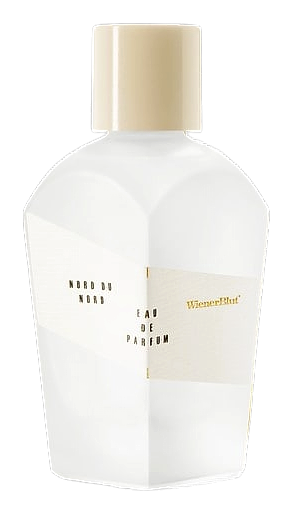
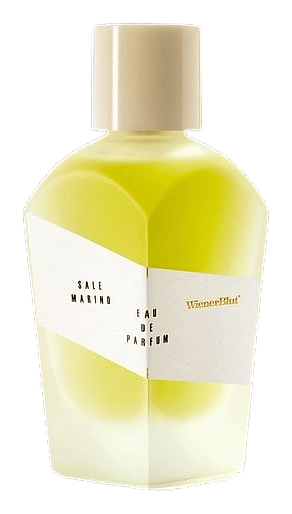
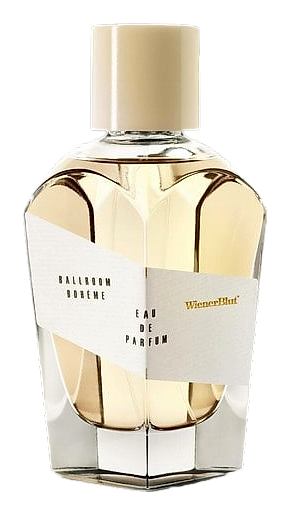
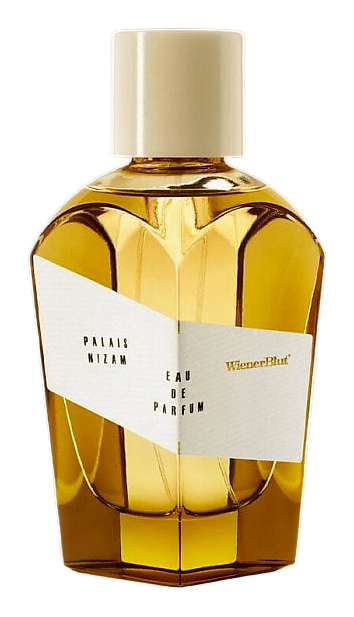
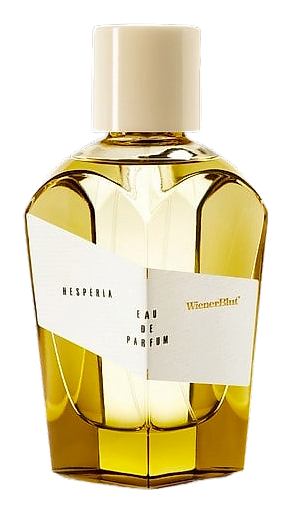
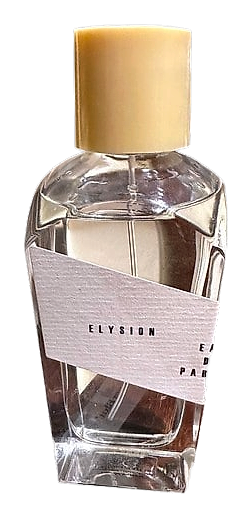
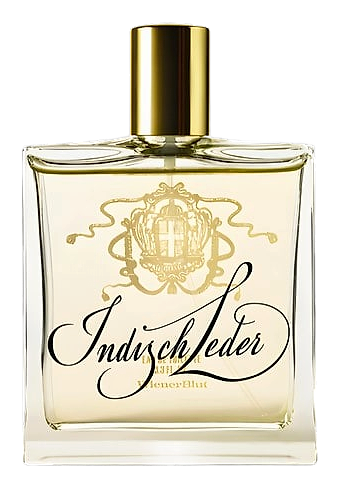
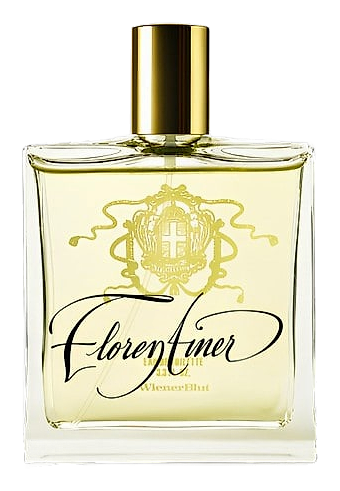
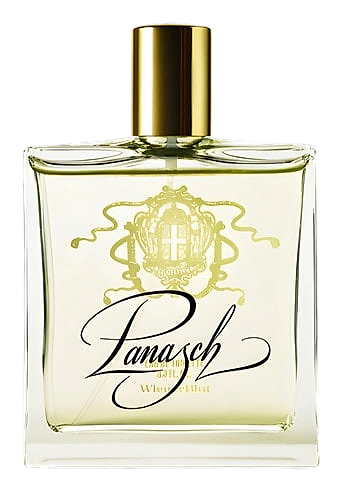
Alexander Lauber opened WienerBlut in 2009 after years of research in Vienna’s perfume archives. The name, coined in 1873, references a literary term that described the distinctive character of the city’s aristocratic circles. Lauber’s first launch, Klubwasser, arrived in the legendary Parisian concept store Colette, giving the brand immediate exposure among fashion‑forward clientele. Early releases such as Florentiner (2012) and Indisch Leder (2012) re‑interpreted recipes found in 19th‑century pharmacy ledgers, earning the house a reputation for scholarly rigor. In 2015 the line expanded dramatically with a quartet of scents—Palais Nizam, Nord du Nord, Hesperia and Ex Voto—each linked to a specific Viennese landmark or historical event. Freudian Wood (2016) marked the first foray into psychological narrative, while the 2019 reformulation of Klubwasser demonstrated the brand’s willingness to evolve original concepts. The most recent addition, Elysion (2023), draws on mythic references from Viennese opera, confirming a pattern of releasing a historically anchored fragrance roughly every two to three years. Throughout its evolution, WienerBlut has remained a privately held studio, avoiding large‑scale distribution in favor of curated boutique placements across Europe and Asia. WienerBlut treats perfume as a historical document. The house believes that scent can preserve a moment as clearly as a photograph, so each creation begins with archival research. Rather than chasing novelty for its own sake, the brand seeks authenticity: it asks what a Viennese noble might have smelled like in 1885, then translates that aroma into a modern concentration. Sustainability and material integrity guide ingredient choices; natural extracts are preferred when they match the original formula, and synthetic substitutes are introduced only when they respect the scent’s structure. The creative process involves a dialogue between past and present, where Lauber and his collaborators compare period texts with contemporary olfactory trends. This approach reflects a broader value system that prizes cultural memory, craftsmanship and a quiet confidence over loud marketing. The result is a collection that feels scholarly yet wearable, inviting the wearer to experience history on skin.