




Heritage
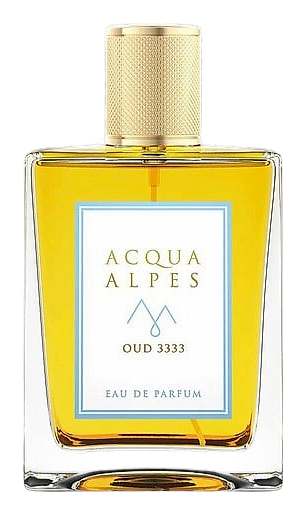
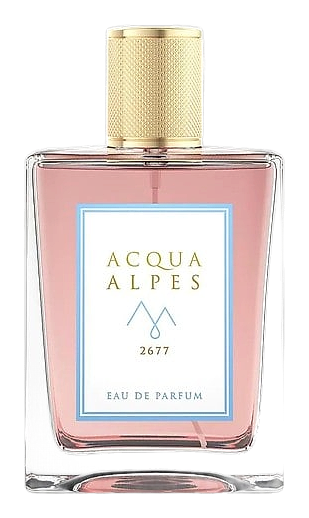
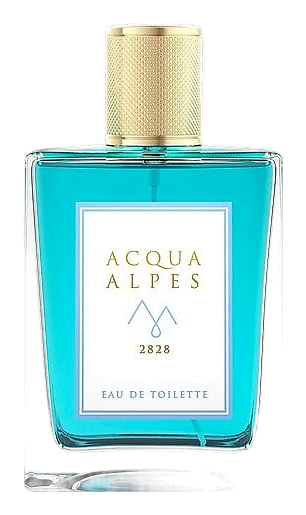
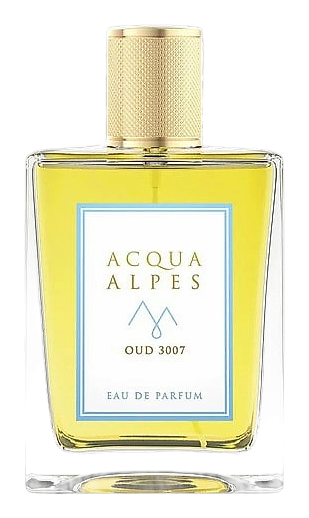
A house, in its own words
The idea for Acqua Alpes emerged during summer 2012 in the Tyrolean Alps, according to information published by the brand. The founders, who include brothers Daniel and Benjamin Deutsch alongside a third partner, reportedly studied business administration together before entering the fragrance industry. The choice of Innsbruck as a base location appears deliberate, positioning the house within a city long associated with alpine recreation and mountainous terrain. Unlike heritage houses that trace lineages back centuries, Acqua Alpes represents a more recent emergence within the niche fragrance segment, built during an era when independent perfume houses could distinguish themselves through specific geographic or conceptual identities rather than historical prestige. The brand's naming system, which assigns each fragrance a number or mountain peak name with altitude, reflects a systematic approach to cataloging that differs from houses using evocative proper names for their releases. The founding period coincided with a broader expansion of the niche fragrance market, as consumers increasingly sought alternatives to mainstream designer fragrances. The brothers' background in business administration suggests a deliberate approach to brand building rather than an organic evolution from perfumery roots. Since 2012, the house has grown to encompass multiple product categories beyond perfume, including home fragrances and body care, indicating business development beyond the initial fragrance-only model. Acqua Alpes operates on the premise that alpine spring water sourced from the Tyrolean region forms the foundation of each fragrance. The house positions this water as notably clear, mineral-rich, and soft in character, and employs it in place of standard distilled water in perfume bases. This approach represents a tangible connection between product and origin, though the specific sourcing details and any quality certifications remain undocumented in available public sources. The naming convention, which assigns mountain peak names with their altitudes to individual fragrances, suggests an intent to encode geographic specificity into the product line. The alpine lifestyle, understood as a blend of natural purity and certain aesthetic sensibilities associated with mountain regions, reportedly informs the brand's creative direction. The house appears to navigate a middle position between strictly natural ingredient houses and those using primarily synthetic materials, though public information does not provide detailed ingredient transparency. The philosophy appears oriented toward place-based identity as a differentiator, using the tangible reality of alpine water and alpine geography as its primary conceptual framework rather than abstract artistic statements.