
Heritage
A house, in its own words
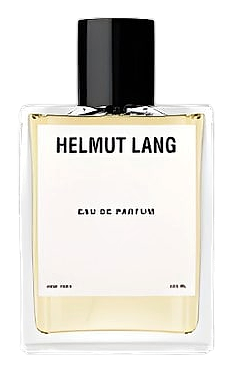
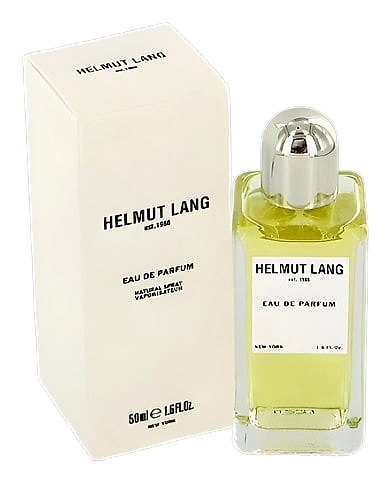
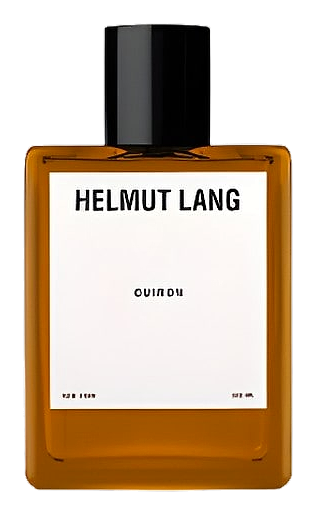
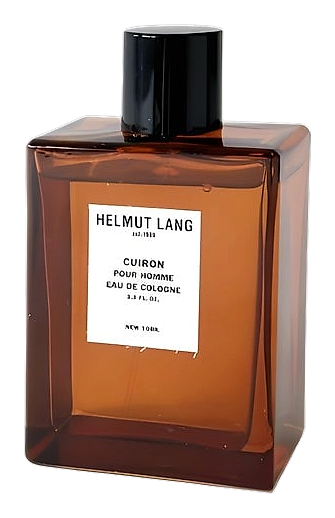
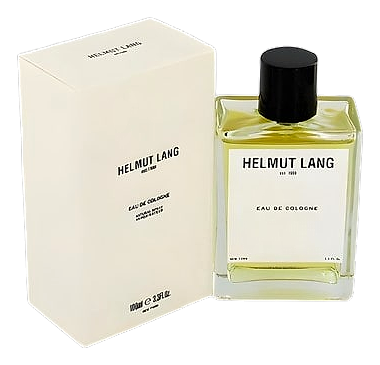
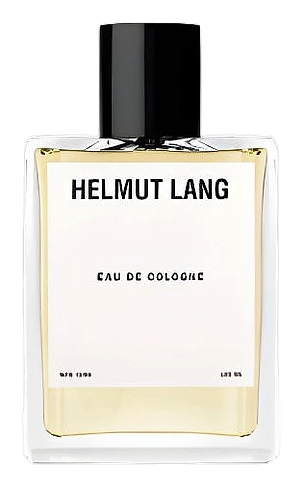
Helmut Lang built his fashion empire through a series of deliberate choices that positioned him at the vanguard of minimalist design. Born in Austria, Lang established his trademark in 1978 and staged his first international presentation at the Centre Georges Pompidou in Paris in 1986, the same year he officially launched his label. The show was a revelation. Lang presented severe, almost industrial garments that stripped fashion down to essential geometry. His approach stood in sharp contrast to the maximalist aesthetic that dominated the decade. By the early 1990s, Lang had relocated his operations to New York and was widely recognized as one of the most influential designers of his generation. His fragrances arrived in 2000, created in collaboration with perfumer Maurice Roucel. The timing was significant: luxury fragrance in that era tended toward opulence and projection. Lang's scents operated differently, closer to the skin, more intimate in their presence. In 2002, the house released Cuiron pour Homme, a leather-focused masculine fragrance that demonstrated Lang's interest in unexpected material qualities translated into scent. Velviona followed in 2001, described as a musky, slightly floral composition with what reviewers characterized as a hint of bodily sexiness. Then in 2005, everything changed. Lang sold his remaining stake in the company and left his namesake brand. The fragrances were discontinued. Lang himself largely retreated from public life, eventually destroying much of his personal archive. For years, collectors traded the remaining bottles at escalating prices, the perfumes having acquired an almost mythological status. When the brand revived the fragrance collection in 2014, it was met with both celebration and skepticism. The scents had lived on in memory; whether the reality would match proved a question only wearers could answer. The Helmut Lang approach to fragrance reflected the same principles that defined his fashion. He was drawn to reduction, to the elimination of excess, to forms that revealed rather than concealed. In fashion, this meant garments that exposed the body's architecture rather than reshaping it. In fragrance, it translated to scents that behaved like a second skin. Maurice Roucel, the perfumer behind the original 2000 launch, described the process as one of careful calibration. The fragrances did not announce themselves. They existed in conversation with the wearer. Lang reportedly took a hands-on role in the development process, applying the same exacting standards he brought to tailoring. The aesthetic was contemporary and cool, deliberately avoiding the warm, enveloping quality that dominated mainstream perfumery. Instead, these were fragrances for people who wanted scent to function as an element of personal style rather than a statement. The musk-heavy compositions emphasized intimacy over sillage. The citrus in the Cologne was crisp and precise, never soft or gourmand. This philosophy of restraint extended to the naming convention. Unlike houses that invented elaborate fragrance names to suggest fantasy worlds, Lang simply called his scents Eau de Parfum and Eau de Cologne, as if clarity of identity mattered more than narrative invention. The 2014 reissues maintained this philosophy, suggesting that Lang's vision for the collection remained coherent even in his absence.
