The Story
Why it exists.
The beginning
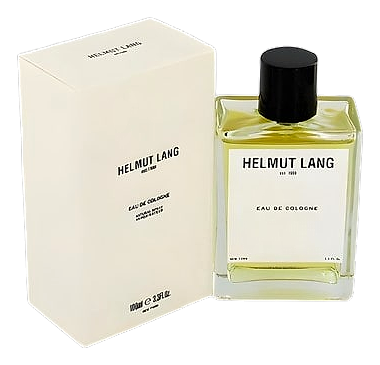
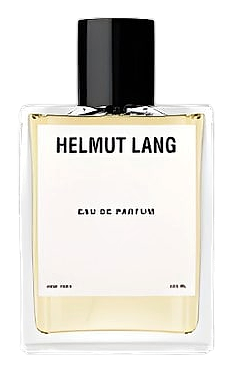
Helmut Lang founded his label in 1978 with a reputation for severe, architectural garments that stripped fashion down to essential geometry. His fragrances arrived in 2000, created in collaboration with perfumer Maurice Roucel. The original Eau de Parfum was designed as a second skin, a scent that existed in conversation with the wearer rather than announcing itself. The 2014 reissue carries that same philosophy into a new decade. Maurice Roucel returned to calibrate the reissue with the same precision he brought to the original. The structure stayed close to the source material: lavender as the dominant note, supported by woody and herbal elements. What changed was the context. By 2014, the minimalist approach had become something of a rarity in fragrance, crowded out by louder, sweeter compositions. The reissue arrived as a quiet argument for something different.
The tension in this composition is its defining feature. Lavender leads the opening with a cool, almost camphorated quality that reads as both aromatic and slightly medicinal. Rosemary and orange tree ground it with herbal and green-bitter facets. The heart introduces powdery heliotrope and white florals, but the artemisia and herbal notes prevent sweetness from taking over. The drydown settles into sandalwood's creamy warmth, Virginia cedar's dry pencil-woody character, and patchouli's earthy depth. Heliotrope and amber carry through to the end. The result is a woody-sweet oriental that never fully commits to sweetness. The herbal and earthy elements provide counterweight throughout.
The evolution
The opening is immediate and cool. Lavender arrives with a camphorated edge, accompanied by rosemary's herbal bite and the green-bitter facet of orange tree. This phase lasts thirty to forty-five minutes before the heart begins to emerge. The heart introduces powdery heliotrope, jasmine's rounded floral sweetness, and orange blossom's clean, green lift. Lily of the valley adds a delicate, almost green floral note. Artemisia keeps the herbal backbone present, preventing the heart from becoming purely sweet. This is where the composition earns its powdery reputation. The drydown is where this fragrance reveals its patience. Sandalwood's creamy warmth meets Virginia cedar's dry, pencil-woody character. Patchouli's earthy depth anchors everything. Heliotrope and amber persist through the end, creating a warm, powdery close that lasts eight to ten hours on most skin types. The drydown never fully resolves into sweetness. The woods and herbs linger beneath, maintaining that essential tension.
Cultural impact
Helmut Lang challenged fashion conventions in the 1990s with his minimalist aesthetic, and the 2000 fragrance lineup extended that philosophy into scent. The EDP represented a departure from opulent perfumes of the era, using restraint as a statement. When the brand reissued it in 2014, it signaled a revival of interest in understated luxury at a time when social media was driving more maximalist trends. The fragrance became a touchstone for those seeking authenticity over flash, finding its audience among collectors and minimalists who appreciated its quiet confidence. Its discontinuation turned it into a cult artifact, with the 2014 version now commanding secondary market prices.